Martin I. Walker Museum Preserves 1878 Limestone Stagestop in Copperas Cove
The 1878 limestone stagestop southwest of Copperas Cove now functions as the Martin I. Walker Historical Museum, preserving the town's earliest structure and serving as a local heritage site.
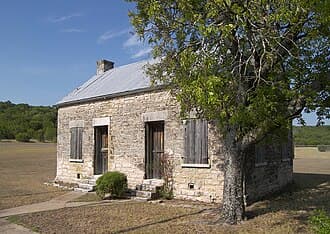
A limestone stage relay and post office built in 1878 now anchors Copperas Cove history as the Martin I. Walker Historical Museum. Located about 1.6 miles southwest of Copperas Cove in Coryell County, the Copperas Cove Stagestop and Post Office - also known as the Ogletree Stagestop and Post Office - is the only surviving building from the town originally called The Cove.
The two-room limestone structure was quarried locally and has served multiple civic roles through its life. It functioned as a stage relay station, a post office, a family home and a neighborhood grocery before preservation efforts repurposed it as a museum. That continuity of everyday uses makes the building a tangible link to Copperas Cove’s 19th-century roots and to the patterns of travel and settlement that shaped Coryell County.
The site earned formal recognition when it was listed on the National Register of Historic Places on September 26, 1979. It also holds designation as a Texas State Antiquities Landmark, identifying it as a fine example of vernacular 19th-century stone construction in Texas and a surviving landmark from the town’s earliest settlement period. Those designations place the building among a limited set of protected resources that carry symbolic and practical weight for local heritage preservation.

For Copperas Cove residents, the Martin I. Walker Historical Museum serves as a local touchpoint for identity and heritage tourism. The museum preserves material culture from the town’s founding era and offers a clear focal point for heritage narratives that can be used in school programs, tourism promotion and civic events. Because the building is the last remnant of The Cove’s original townsite, it anchors stories about early transportation networks and postal service patterns that contributed to regional development.
Preservation of the stagestop also has policy implications for city and county officials. Maintaining a 19th-century limestone structure requires ongoing stewardship, attention to maintenance funding and coordination among local preservation groups and municipal planners. Recognizing the site as an asset for Coryell County’s cultural economy could guide future budgeting, signage and inclusion in visitor materials that promote local history alongside recreational and economic development initiatives.
The Martin I. Walker Historical Museum stands as a durable reminder of Copperas Cove’s beginnings and a resource for civic education and heritage tourism. Its continued preservation will depend on local stewardship and how city and county leaders choose to integrate the site into broader plans for cultural heritage and community engagement.
This article was produced by Prism’s automated news system from verified source data, official records, and press releases, then run through automated quality and moderation checks before publishing. The system is built and supervised by the people who set the standards it runs under. Read our full AI policy.
Did this article answer your question?