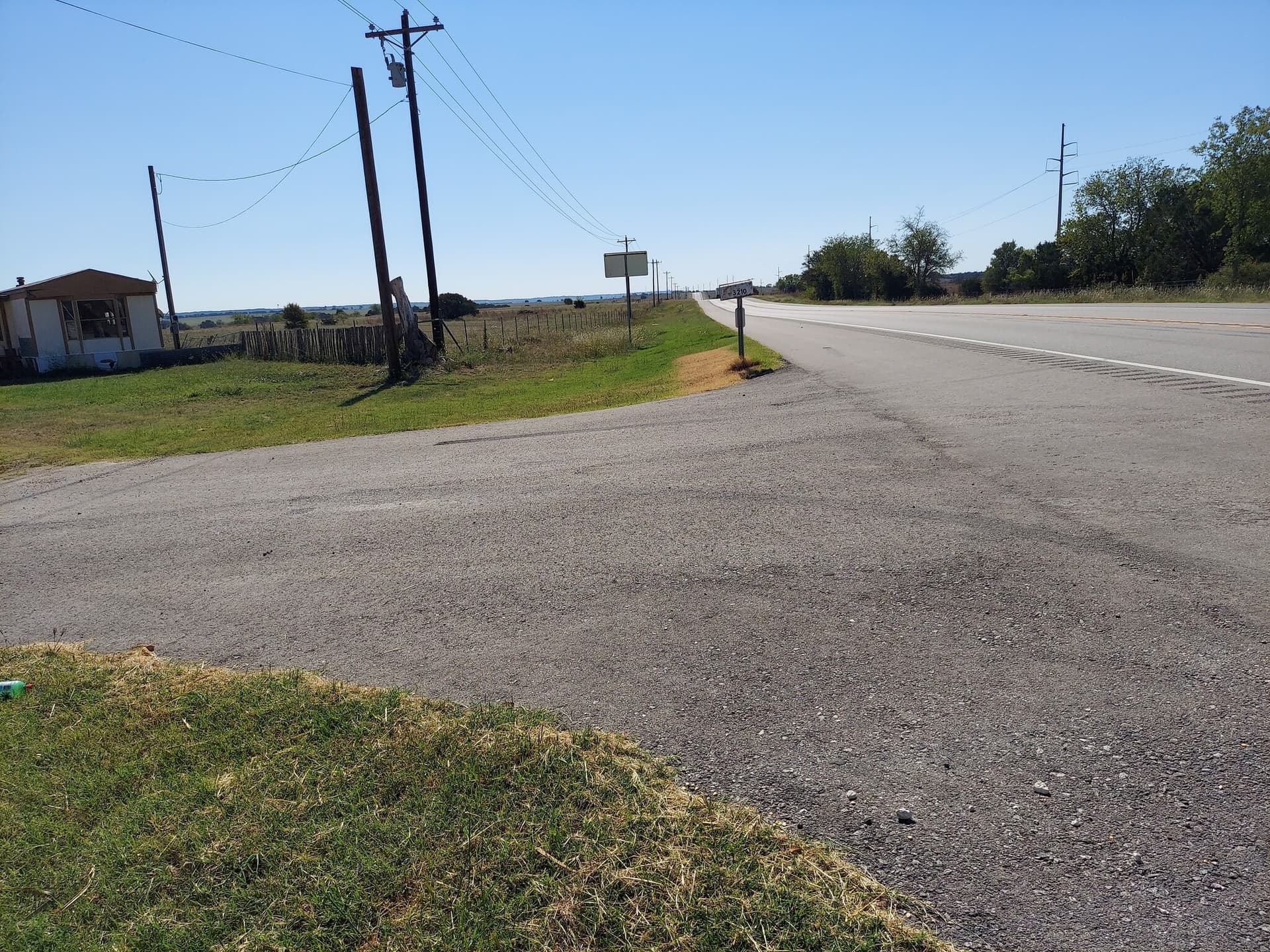
Mother Neff State Park blends Coryell County history and outdoor access
Mother Neff gives Coryell County families a $2 day trip with short trails, a 90-year-old CCC tower and Texas' first state park story.
Mother Neff State Park gives Coryell County families a low-cost day trip with a short drive, a short trail network and one of Texas’ most important park stories. The park sits on State Highway 236 along the Leon River, about 16 miles southeast of Gatesville, and day-use admission is $2 per person age 13 and older, with children 12 and under free. Texas State Parks Pass holders also get unlimited entry without paying the day fee.
Getting there and what it costs
For Coryell County residents, the appeal starts with how little planning the visit takes. The park’s location on SH 236 puts it close enough for a same-day outing, and the admission structure keeps the cost down for families: one modest per-person charge for adults and older teens, no charge for younger children, and a pass option for people who visit Texas state parks often. That makes Mother Neff an easy choice when the goal is a half-day outside rather than a full-scale road trip.
Why this patch of land matters
Mother Neff is not just another local green space. The Texas State Historical Association identifies it as Texas’ first state park, and the current park history tells the same larger story through the Neff family, the State Parks Board and the state’s early conservation effort. Isabella Neff donated the original six acres, Gov. Pat M. Neff later donated 250 more acres in 1934, and Mother Neff State Park officially opened in 1937. F.P. Smith also contributed 3.5 acres, and that patchwork of gifts now reads as an origin story for the Texas state park system itself.
The easiest walks for families
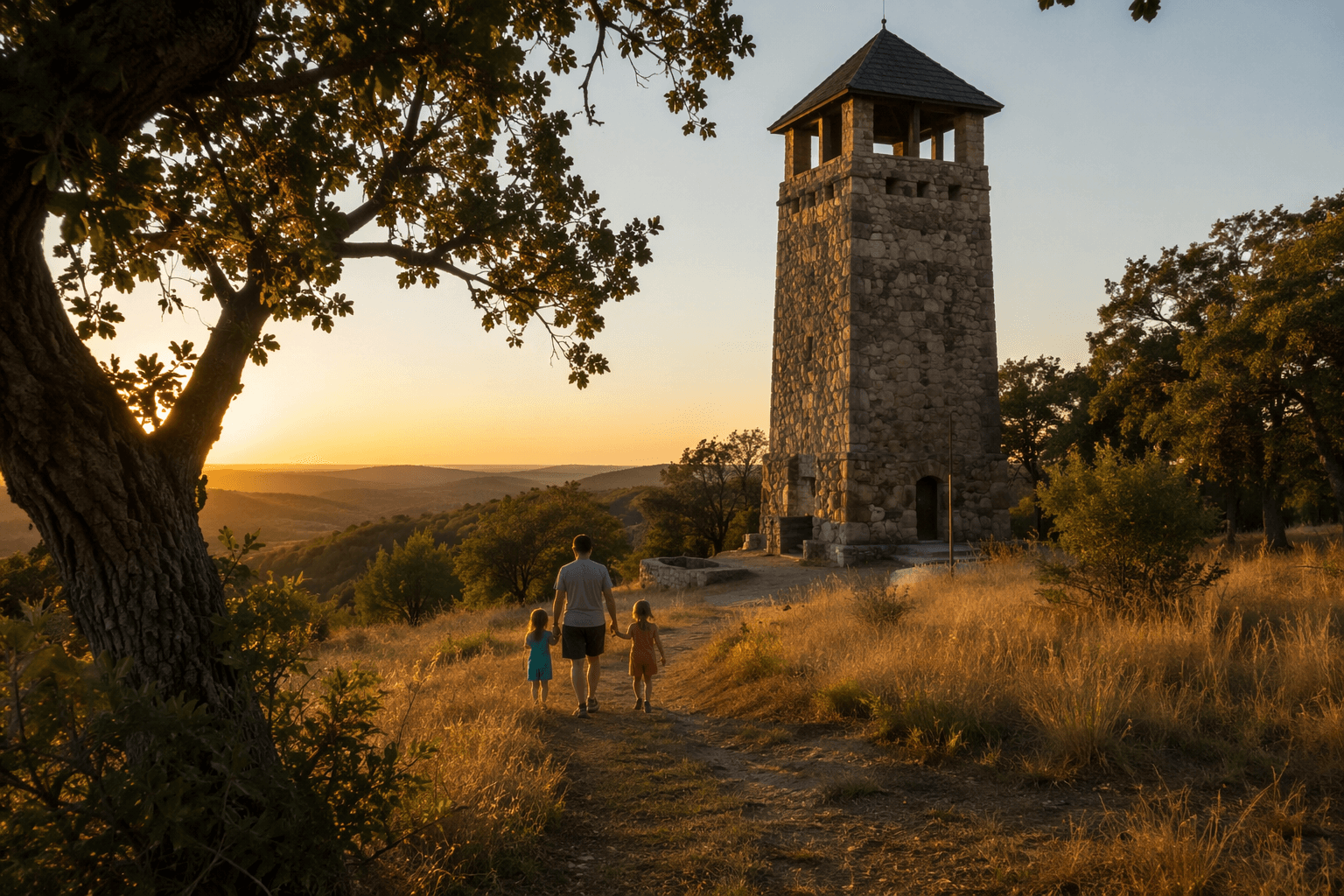
The park’s best-known draw is still its trail system, which packs a lot into a compact space. Texas Parks & Wildlife says visitors can hike about 3.5 miles through canyons and prairies, with routes that reach the rock shelter, the CCC Rock Tower and a cave used by the Tonkawa Indian tribe in the 1800s. If you want the most manageable options, the Pond Trail and Prairie Loop Trail together total about one mile and are the park’s most accessible walks; the Tower Trail is about one-half mile one way, more rocky and challenging, but still open to people using all-terrain GRIT chairs.
That trail mix makes Mother Neff especially useful in hot weather. The shorter routes let you see the prairie, the pond and the CCC-built tower without committing to a long hike, and the June tower program listed by the park underscores the practical advice: bring water and close-toed shoes for the walk. If you want the clearest family-friendly plan, start with the one-mile accessible loop, then decide whether to add the tower trail while the day is still cool.
What to do beyond the trails
Mother Neff is built for an easy day outdoors, not just a quick walk. Visitors can picnic, camp, geocache and watch nature, while the prairie adds wildflowers and open views that change with the season. The park also has a visitor center, a park store, ranger programs and all-terrain wheelchairs that can be reserved daily from 9:15 a.m. to 3:45 p.m., which helps more people reach the park’s trails and key overlooks.
There are limits to keep in mind before you head out. Swimming and fishing are not allowed because of river conditions, so Mother Neff works best as a hike, picnic and history stop rather than a water recreation trip. For overnight stays, the park currently lists 20 full-hookup campsites in the upper portion of the park, while some tent sites near the Leon River remain closed because of flood damage.
History on the ground, not just in a sign
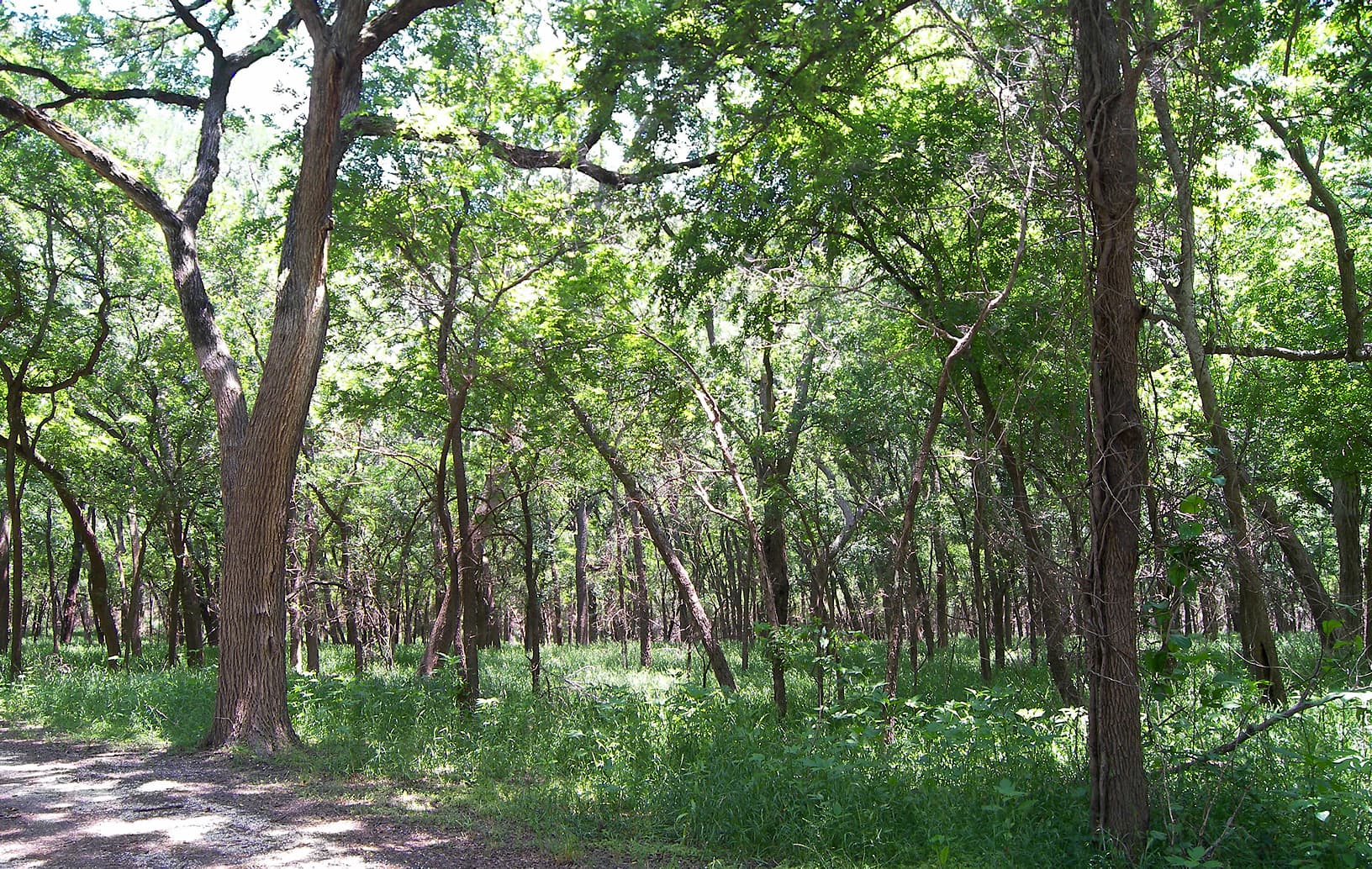
The land around the Leon River carries a much older record than the park itself. Texas Parks & Wildlife says people have lived near the river for thousands of years, and evidence of camps, tool making and daily life is common there. The park’s current landscape reflects that deeper history, with prairie, limestone canyons and floodplain terrain all sitting within the same compact park boundary.
The Civilian Conservation Corps gave Mother Neff much of its present character. CCC Company 817, with more than 200 men, worked at the site from 1934 to 1938, living first in tents and later in prefabricated barracks. They built park roads, walking trails, picnic areas, campgrounds, the concession building and the lookout or water tower, the same infrastructure that still shapes the park experience today.
Floods, closures and the park’s modern layout
Mother Neff’s flood history matters to anyone planning a visit. Beginning in the 1950s, repeated flooding overwhelmed the lower part of the park and caused long closures, which is why TPWD later focused redevelopment on higher ground. In 2015, new facilities opened above the floodplain, and in 2017 the agency said a log-jam project required removing 1,000 feet of woody debris from the Leon River after drought and flooding made the problem worse. That history explains why the upper park is the safest bet for a quick Coryell County outing when the river has been active.
Mother Neff’s strength is that it does several jobs at once: it is a nearby family outing, a live lesson in Texas conservation and a reminder that Coryell County sits beside one of the state’s most consequential park sites. With a low day-use fee, short trail options and a history that runs from Indigenous use to CCC construction, it remains one of the easiest ways to spend a few hours outside without leaving the county.
This article was produced by Prism’s automated news system from verified source data, official records, and press releases, then run through automated quality and moderation checks before publishing. The system is built and supervised by the people who set the standards it runs under. Read our full AI policy.
Know something we missed? Have a correction or additional information?
Submit a Tip