Pearl church photo reveals Coryell County’s rare octagon history
A Pearl photograph points to Coryell County’s forgotten octagon church, widening Texas history beyond Fredericksburg. The design links rural faith, local memory, and preservation.
A rare shape with a local address
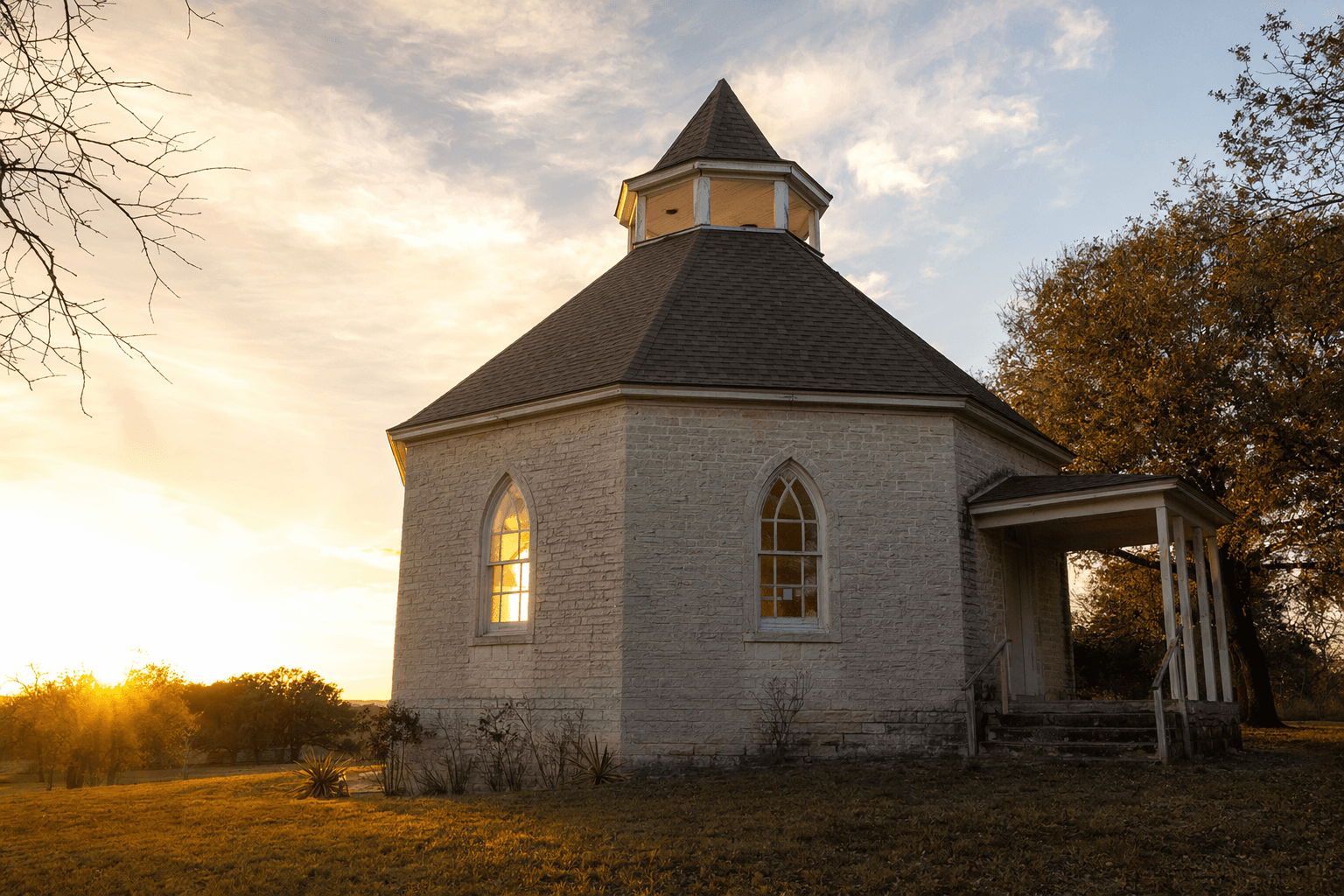
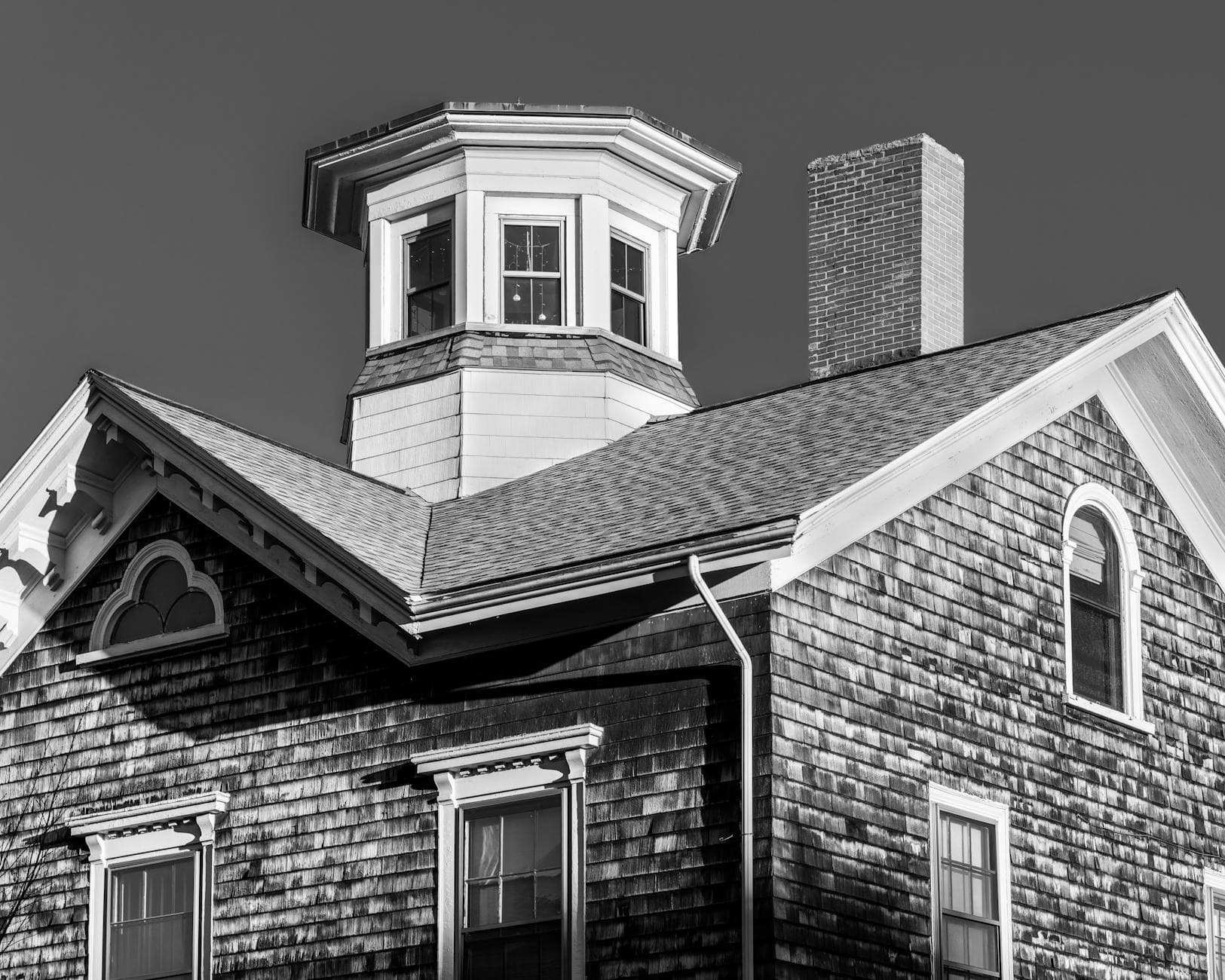
Pearl Community Center keeps a photograph that changes the way Coryell County fits into Texas church history. It shows the Pearl Church of the Nazarene, a modest building from 1913 that cost only $500, yet carried one of the rarest forms in the state: an octagon plan.
That detail matters because octagon churches are unusual enough to be remembered. In Texas, the best-known example has long been Fredericksburg’s Vereins-Kirche, but Pearl proves the story does not stop in Gillespie County. The image preserved in Pearl shows that an uncommon architectural idea reached a small Coryell County community and became part of its religious life.
Why the octagon form stands out
The Vereins-Kirche in Fredericksburg was built in 1847 by the first settlers and designed by Dr. Schubert of the Adelsverein. It followed an older German tradition known as the Carolingian octagon, a form that makes the building feel more like a compact civic landmark than a simple country chapel.
That church was not only a place of worship. For fifty years, it served as a church, school, fortress, and meeting hall before being demolished in 1897. A replica now stands in its place, which is one reason the original shape remains visible in the public imagination.
Texas architectural history points to a broader pattern: the strongest evidence of German influence often shows up in rural and small-town churches. Fredericksburg, Comfort, and New Braunfels hold the most notable concentrations of German half-timbered architecture in the state, but Pearl adds an important comparison point outside that Hill Country corridor. It shows that distinctive church design was not confined to one famous settlement or one ethnic story.
Pearl’s church timeline tells the story of a growing community
The octagon photograph gains meaning when placed inside Pearl’s longer religious history. The community had organized churches by the mid-19th century, beginning with the Methodist Church in 1854. The Church of Christ followed in 1878, the Baptist church dates to 1889, and the United Baptist Church of Jesus Christ was organized in 1896. The Church of the Nazarene arrived in the early 1900s and later became the octagon church shown in the preserved photograph.
That sequence reveals a settlement that grew by congregation as much as by commerce. Pearl was not built around one single institution. Instead, churches formed a kind of civic timeline, marking the way families rooted themselves in Coryell County and built lasting community ties.
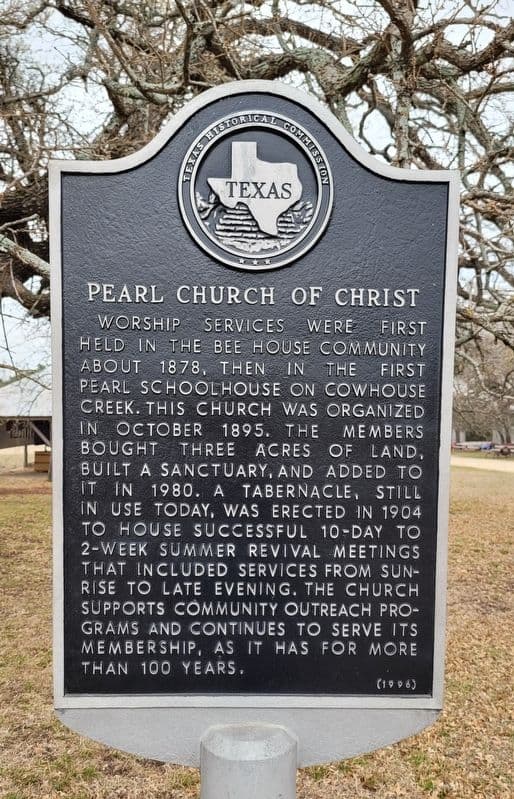
The rhythm of those congregations also matters. Until the mid-1920s, Pearl’s churches held ten-day revival meetings in July and August. That detail says as much about the community calendar as it does about religion. Summer revivals brought people together in a rural place where church life, social life, and seasonal routines overlapped.
A rural town with more than one kind of history
Pearl’s story is not only spiritual or architectural. At one time, the community also supported a steam-powered cotton gin, a flour mill, and a gristmill. In 1908, the Price System telephone reached Pearl, another sign that this was a working rural settlement connected to wider markets and communication networks.
Those details help explain why a church photograph matters so much. Pearl was never just a dot on the map. It was a place where people worked, gathered, worshiped, and adapted to new technology. The octagon church fits that pattern because it reflects both local ambition and practical community building. A $500 church in 1913 was not grand in cost, but it was meaningful in design.
What was lost, and what remains visible
The Pearl Church of the Nazarene was later demolished to make room for a more modern building. That loss is exactly why the photograph preserved at Pearl Community Center carries so much weight. It turns a vanished structure into a visible part of community memory, even when the original walls are gone.
That is the preservation lesson in Pearl. Small buildings often disappear before their stories are fully understood, especially in rural counties where new construction can replace older congregational spaces without much public attention. In this case, the photograph does the work of an archive. It keeps the octagon shape in circulation and gives residents a way to connect local faith history with a larger Texas architectural tradition.
Why Coryell County should care now
Pearl’s octagon church story offers more than nostalgia. It gives Coryell County a heritage asset that can strengthen local identity and broaden the county’s historical appeal. People who know Fredericksburg for the Vereins-Kirche can now understand that rare church forms also shaped smaller Central Texas communities, including Pearl.
That makes the Pearl Community Center more than a venue for memory. It is a place where a single image keeps alive a building that no longer stands, while Pearl Church of Christ services and community events show that the town itself is still living history. For Coryell County, the photograph does not simply recall a lost church. It marks Pearl as part of the wider Texas story of settlement, design, and preservation, where even a small octagon building can reveal how deeply a community has been built.
This article was produced by Prism’s automated news system from verified source data, official records, and press releases, then run through automated quality and moderation checks before publishing. The system is built and supervised by the people who set the standards it runs under. Read our full AI policy.
Did this article answer your question?