UIL 2026-28 Realignment Changes Opponents and Travel for Coryell County Teams
UIL realignment reshuffles districts for 2026-28, changing opponents and travel for Coryell County teams and affecting schedules, budgets and student-athlete wellbeing.
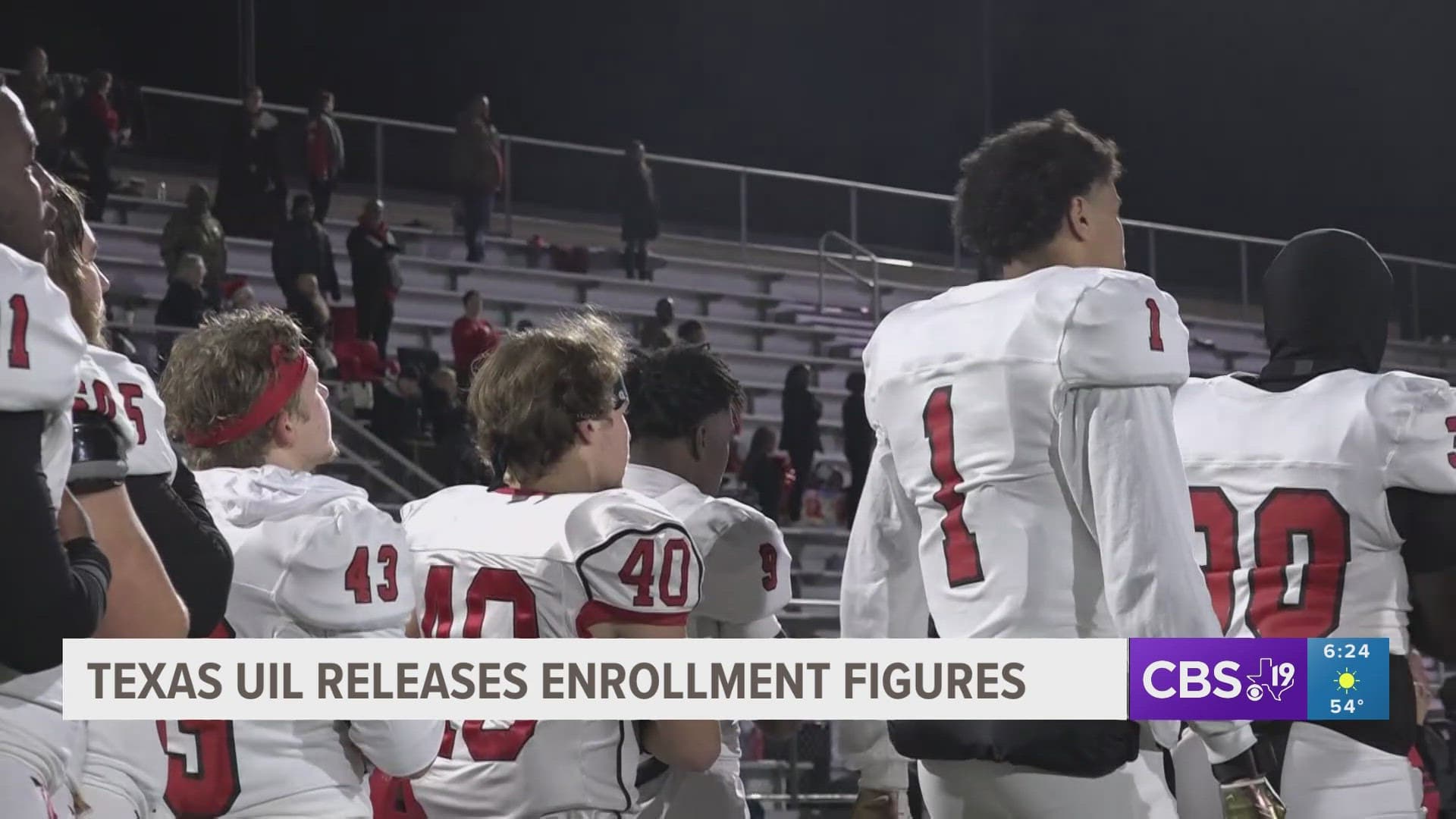
The University Interscholastic League released its 2026-28 reclassification and realignment on Feb. 2, 2026, and the new maps will change opponents and travel patterns for Coryell County high school programs. Regional realignment shifts affect Central Texas districts across classifications, altering who Copperas Cove and Gatesville will meet during the regular season and where those matchups will take place.
For local athletic departments, the changes carry immediate operational consequences. New districts often mean longer bus rides for football, basketball and other team sports, more overnight travel in some cases, and reworked schedules that can stretch coaching staffs and transportation budgets. Those logistics also ripple into classroom time: longer travel reduces time for homework and rest, and can increase stress for students juggling athletics, academics and family responsibilities.
There are public health and safety implications tied to the realignment. Extended travel increases fatigue, which can raise the risk of injury and impair cognitive performance. Athletic trainers, school nurses and coaches will need to adjust recovery plans and injury-prevention protocols when trips lengthen. For families, later return times on school nights can complicate child care and parental work schedules, especially for households where caregivers cannot easily alter shifts.
The realignment also raises equity questions. Rural programs and smaller districts often operate on tighter transportation and staffing budgets, leaving less margin to absorb added travel costs. When districts shift opponents to more distant schools, booster clubs may face increased fundraising pressure to pay for buses and overnight lodging. That can widen gaps between well-resourced programs and those already stretching limited dollars to support extracurriculars that benefit student health and engagement.

Local economies will feel the change as well. Home games bring revenue to restaurants and retailers, while away trips mean families and alumni may miss traditional Friday night gatherings. Conversely, new opponents may draw different visiting crowds, shifting where gate receipts and concession profits flow within the region.
Athletic directors and school boards in Coryell County now face a season of planning. Transportation contracts, game-night staffing and academic support for traveling student-athletes will need review ahead of the upcoming schedules. Community leaders and parents should expect discussions about budget adjustments and possible schedule tweaks in coming school board and booster club meetings.
What comes next is practical: schools will publish district schedules, maps and travel itineraries, and coaches will adapt practice and recovery plans. For families and communities, the realignment means recalibrating Friday night rhythms and supporting student-athletes through longer trips and tighter timelines.
This article was produced by Prism’s automated news system from verified source data, official records, and press releases, then run through automated quality and moderation checks before publishing. The system is built and supervised by the people who set the standards it runs under. Read our full AI policy.
Did this article answer your question?