Bridgeton Organizer Spotlighted for Immigrant Health and Rights
A 28-minute special of the PBS digital series "21" released Dec. 30, 2025, profiled Edgar Aquino-Huarte, a Bridgeton organizer whose work supports immigrant and farmworker communities across Cumberland County. The segment underscores how access to basic resources - from driver’s license study guides to fair-work advocacy and community storytelling - shapes health, economic stability, and civic participation locally.

A recent special edition of the PBS digital series "21" highlighted community changemakers across New Jersey and included a profile focused on Bridgeton organizer Edgar Aquino-Huarte. The Cumberland County segment documented his work helping immigrant and farmworker residents secure practical resources such as driver’s license study guides, pursue fair-work advocacy, and participate in a community storytelling project called Voices of the Soil.
Aquino-Huarte’s organizing centers on removing everyday barriers that compound health disparities. Transportation access, documented in the segment through driver’s license assistance, is tightly linked to residents’ ability to reach medical appointments, access employment, and obtain food and other essentials. Fair-work advocacy, another pillar of his work, addresses workplace conditions, wages, and rights that directly affect occupational safety and long-term health outcomes for farmworkers and other low-wage employees in Cumberland County.
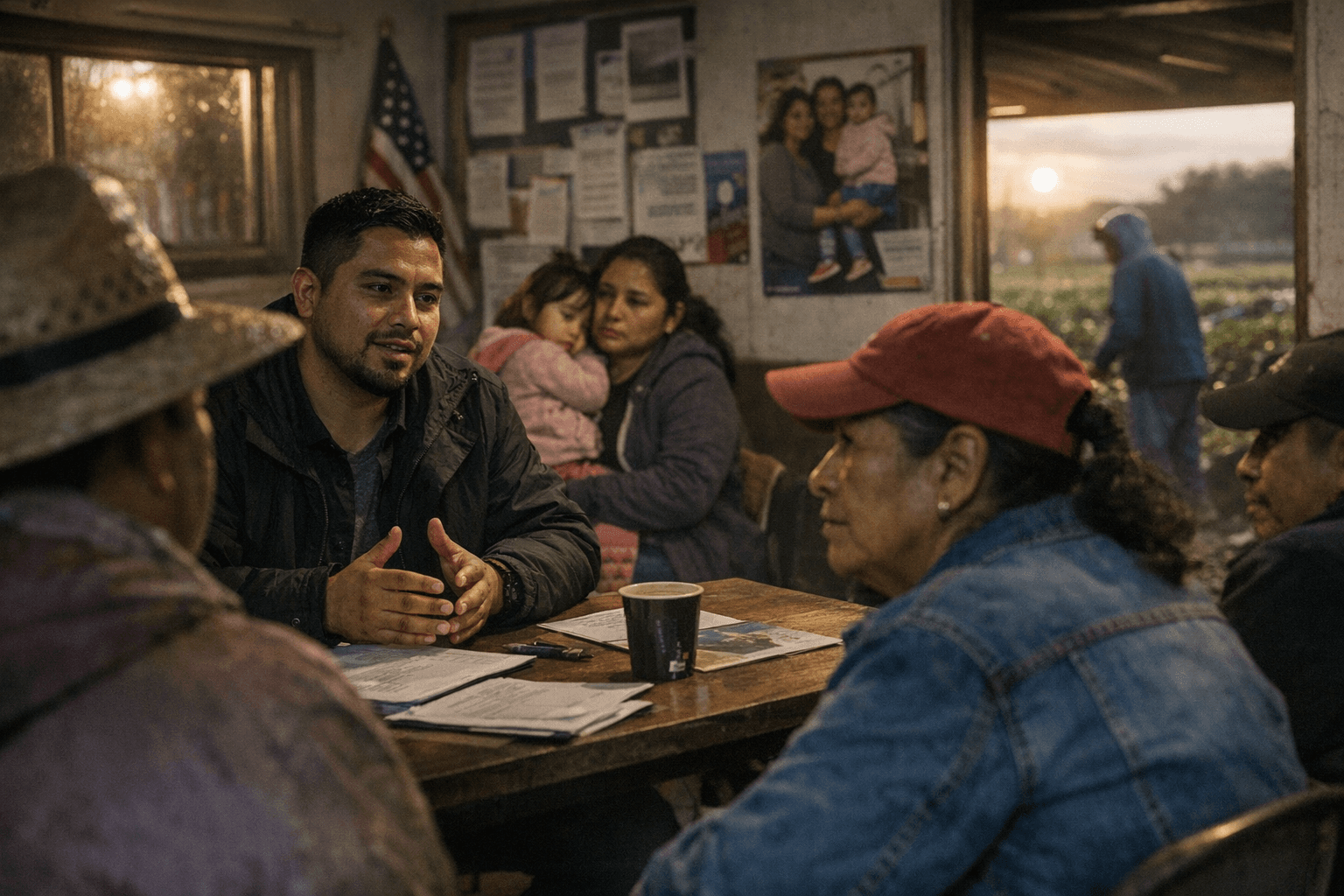
Voices of the Soil, the community storytelling project featured in the segment, functions as more than an arts initiative. By creating space for residents to share experiences, the project aims to strengthen social cohesion and give visibility to populations whose narratives are often excluded from public discourse. Such storytelling can support mental health, reduce isolation, and inform local policymakers about lived realities that standard data may miss.
The program placed these local stories in the larger context of social determinants of health, showing how civic engagement and access intersect with health equity. For Cumberland County, where immigrant communities and agricultural labor are central to the local economy, the issues raised in the segment have immediate implications for public health planning and social services. Transportation insecurity and precarious work increase the county’s vulnerability to unmet health needs, chronic disease burdens, and reduced uptake of preventive care.
Local health systems, community organizations, and policymakers can use profiles like this one to identify gaps in outreach and services. Strengthening multilingual resources, expanding transit and licensing assistance, and supporting fair-work enforcement are practical policy levers that can reduce health inequities highlighted by the segment. Community-based projects such as Voices of the Soil also offer a low-cost approach to building trust between residents and service providers.
The episode runs about 28 minutes, and its online episode page includes a full transcript and links to additional profiles in the "21" series for those seeking more detail on the projects and people featured. For residents and local leaders in Cumberland County, the segment serves as both a spotlight on grassroots organizing and a reminder that addressing social determinants is essential to improving health and economic resilience.
This article was produced by Prism’s automated news system from verified source data, official records, and press releases, then run through automated quality and moderation checks before publishing. The system is built and supervised by the people who set the standards it runs under. Read our full AI policy.
Did this article answer your question?
