Cohanzick Zoo Remains Community Resource Amid City Budget Scrutiny
Cohanzick Zoo in Bridgeton operates as a municipal, free-admission facility year-round and bills itself as New Jersey's first zoo, serving families, schools, and volunteers. Its role in local education and recreation matters to residents because municipal funding, partnerships, and volunteer support determine program continuity and long-term animal care.
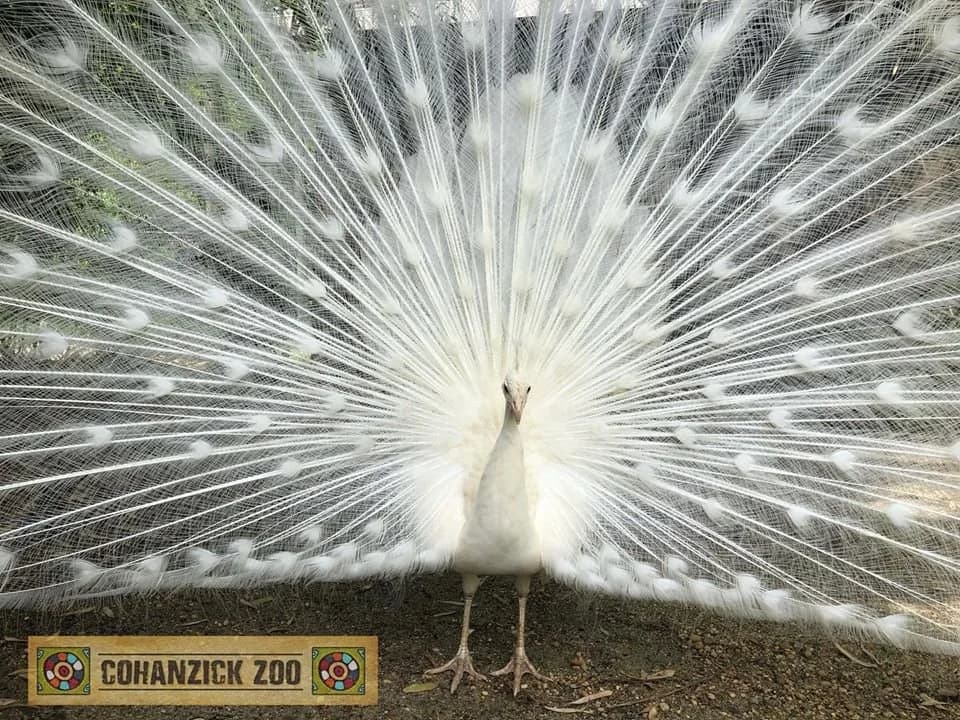
Cohanzick Zoo sits at the intersection of public recreation, education, and municipal responsibility in Bridgeton. Established in 1934 and maintained as a city-owned institution, the zoo offers free admission year-round, seasonal hours, free parking, accessibility accommodations, and a calendar of family programs that includes seasonal attractions such as Boo at the Zoo and a summer Zoo Camp. Those practical visitor details, along with address, event pages, contact forms, and volunteer information, are maintained on the zoo's official website.
The facility functions not only as a destination for families but as an educational hub and civic touchpoint. The zoo runs programming for school groups and community members and provides volunteer opportunities that channel local engagement into daily operations and special events. Partnerships with the City of Bridgeton and the Cohanzick Zoological Society undergird those activities, with the society organizing fundraisers and supplemental programming that augment municipal support.
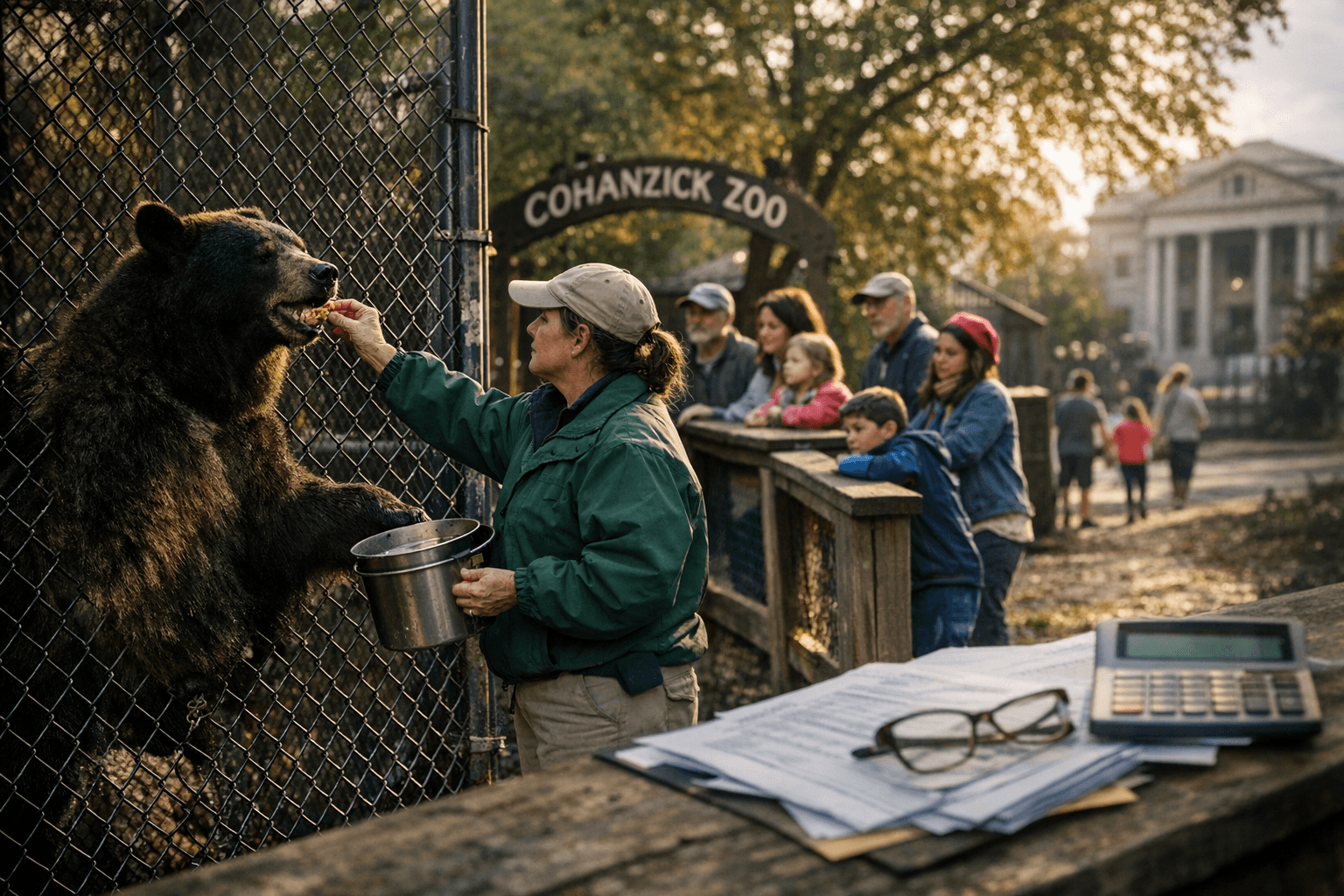
That mixed governance model has direct policy implications for Cumberland County residents. As a municipal asset with free entry, the zoo expands access to nature and animal education for low- and moderate-income families, lowering cost barriers to recreational learning. At the same time, it places ongoing fiscal and oversight responsibilities on local government. Decisions about budget allocations, maintenance, and capital improvements for the zoo are made within the broader municipal budget process, meaning voters and elected officials ultimately shape the institution's capacity to serve the community.
Fundraisers and society partnerships provide important revenue and programming support, but reliance on supplemental funding highlights the need for transparent reporting on expenditures, fundraising outcomes, and animal care standards. For residents, that transparency matters because it ties taxpayer investment to measurable public benefits: educational programs, safe and humane animal care, volunteer engagement, and accessible recreation.
Civic participation can influence how the zoo develops. Attendance patterns, volunteer involvement, and public feedback during municipal budget cycles affect policy choices. As the zoo continues to position itself as a longstanding community asset, residents and local leaders face choices about sustaining free access while ensuring long-term financial and operational stability. Maintaining clear communication about hours, events, volunteer opportunities, and funding priorities will be central to preserving Cohanzick Zoo's role in Bridgeton's civic and educational life.
This article was produced by Prism’s automated news system from verified source data, official records, and press releases, then run through automated quality and moderation checks before publishing. The system is built and supervised by the people who set the standards it runs under. Read our full AI policy.
Did this article answer your question?
