Cumberland County emerges as a key battleground in 2026 elections
Cumberland County has swung from deep blue to battleground territory, making county taxes, spending and board control central in 2026.

Donald Trump flipped Cumberland County in 2024 by 2,098 votes, 28,675 to 26,577 over Kamala Harris. Once a reliably Democratic county, it has become one of New Jersey’s clearest tests of whether a recent partisan realignment is sticking or simply tightening.
A county where small movements now decide control
The longer arc matters. Barack Obama won Cumberland by more than 20 points, Hillary Clinton and Joe Biden each carried it by around 6, and Democrats then recovered in 2025, when Mikie Sherrill beat Jack Ciattarelli 21,348 to 19,272.
Cumberland is now being watched as a premier swing county and not just another South Jersey jurisdiction. It is the sixth-smallest county in New Jersey, but when margins are this narrow, countywide turnout patterns can quickly reshape who holds power and which issues get attention.
Why the county board matters in everyday life
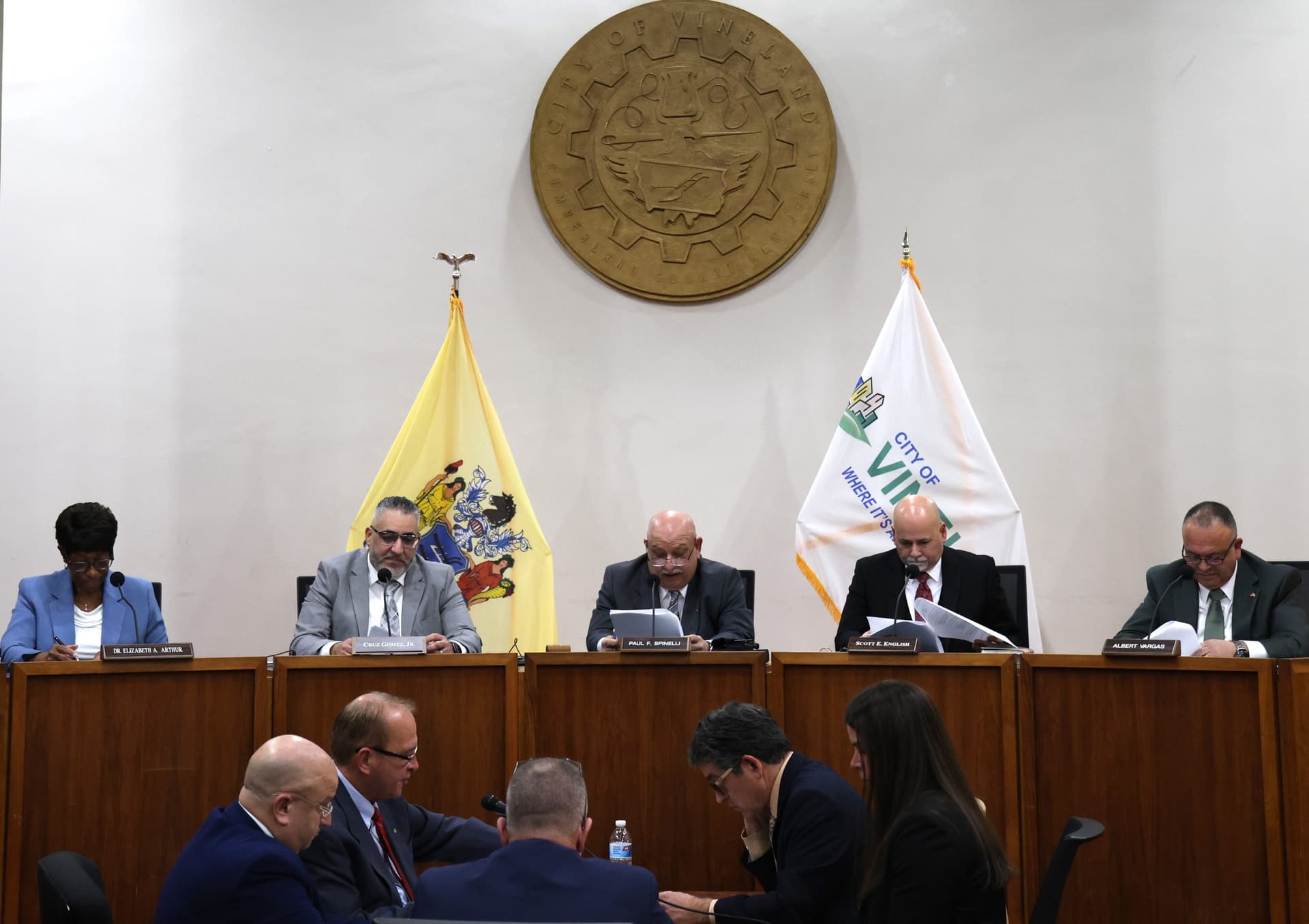
The stakes land first at the county level. Cumberland County government runs through a seven-member Board of County Commissioners, and the board sets policy, oversees day-to-day administration and steers the budgets that affect services residents feel directly. That means the politics of a November ballot can show up later as choices about taxes, spending priorities and public safety.
When county control shifts, the tone of local government changes with it, from how aggressively leaders push tax restraint to how they divide money among county functions and how they present themselves to voters in the next cycle. In a county this small, there is little room for a party to absorb a bad year without consequences.
What the 2026 ballot is really testing
The 2026 election calendar in New Jersey includes a U.S. Senate race, U.S. House races and a broad set of local contests, so Cumberland voters will be deciding more than one level of government at once. That puts Cory Booker’s Senate race and Jeff Van Drew’s 2nd Congressional District race into the same political ecosystem as county and municipal contests.
Those federal races matter locally because they shape turnout, donor attention and party organizing in South Jersey. Booker’s Senate committee reported total receipts of $32,267,998.46 from 2021 through May 13, 2026, while Van Drew’s congressional committee reported $1,701,892.04 in receipts from January 1, 2025 through May 13, 2026 and $1,393,050.30 in cash on hand as of May 13, 2026.
The June primary already showed how narrow the path is
The June 2026 Democratic primary for County Commissioner gave the clearest local preview of what is at stake. Ron Franceschini, Joe Pepitone and LaRae Smith won the nominations, and the county party backed Franceschini and Pepitone. The field was tight enough that multiple contenders finished within a few hundred votes, which is exactly the kind of margin that turns party line decisions and turnout operations into governing questions.
Democrats now need to flip just one seat to take control of the seven-member Board of County Commissioners, and they flipped two seats last year. That puts the board within reach, but not safely in either party’s hands. For voters across the county, that means county races are no longer background noise beneath the federal contests.
Turnout will tell the story faster than rhetoric
The countywide turnout report for the 2025 general election shows 96,596 registered voters and 41,264 ballots cast, a turnout rate of 43 percent.
This article was produced by Prism’s automated news system from verified source data, official records, and press releases, then run through automated quality and moderation checks before publishing. The system is built and supervised by the people who set the standards it runs under. Read our full AI policy.
Did this article answer your question?