Delsea Drive-In Theatre remains New Jersey's only drive-in movie theater
Vineland’s Delsea is New Jersey’s last drive-in, where a 1949 roadside format still sells double features, take-out food and a local night out.
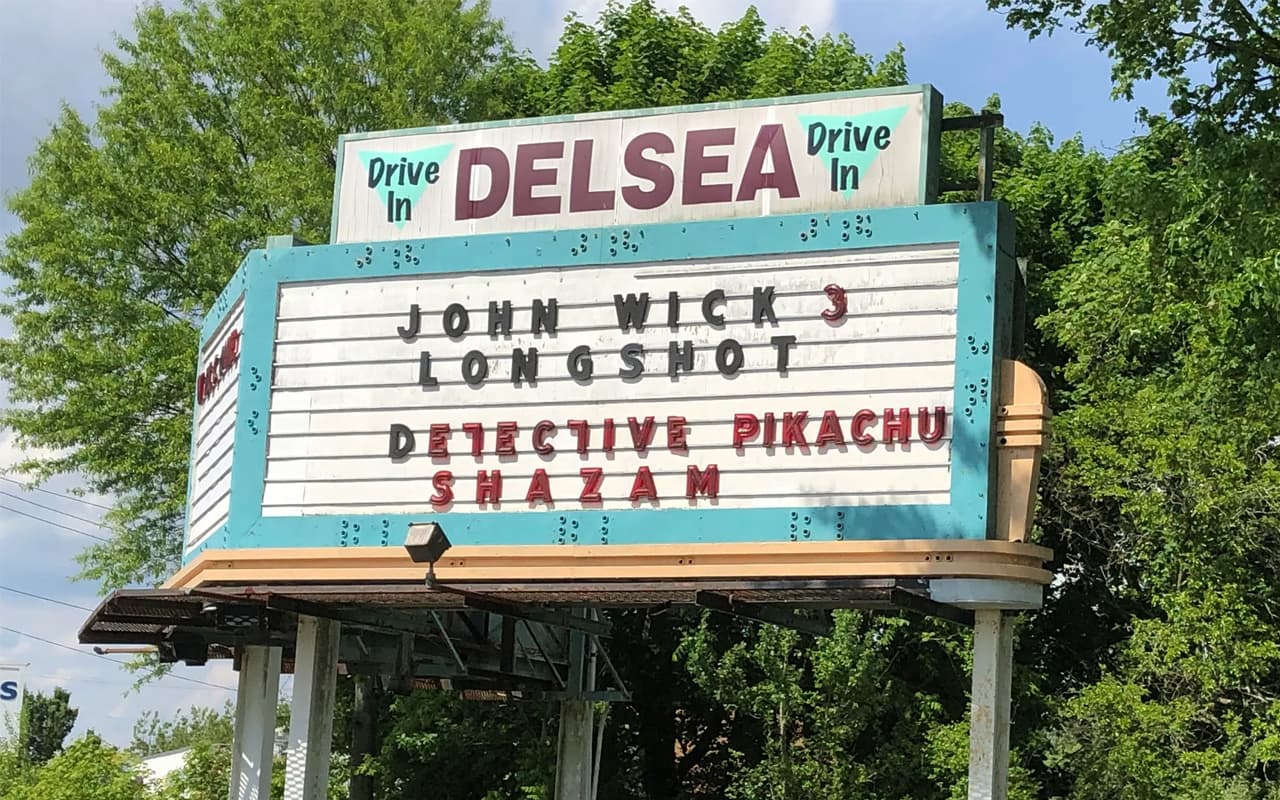
Delsea Drive-In Theatre survives as more than a movie screen in Vineland. It is New Jersey’s only drive-in, a 1949 roadside holdout that still turns a night at the movies into a family ritual with cars, lawn chairs and a full-menu take-out counter. In a state where most drive-ins vanished decades ago, Delsea remains one of Cumberland County’s clearest pieces of living local culture.
A local landmark with regional reach
The theater sits in Vineland, and its reach extends well beyond the city limits. VisitNJ places Delsea less than an hour from Atlantic City, Philadelphia and Delaware, which helps explain why it works as both a neighborhood habit and a regional outing. That geographic position matters in Cumberland County, where a destination that can pull families from multiple markets has a wider economic footprint than a one-screen curiosity.
Explore Cumberland County traces the theater back to 1949, when it opened during the peak era of American drive-ins. It then closed in 1987 after 38 years in operation and reopened in 2004, after a 17-year shutdown. That gap is part of what makes the current operation feel so durable: Delsea is not a museum piece left untouched, but a revived business that found a way to stay relevant after a long disappearance.
How the drive-in night still works
Delsea’s appeal is built into the format itself. The theater describes itself as an open-air theatre and take-out, full-menu restaurant, which means the visit is designed to keep the whole evening in one place. Admission is sold by screen, not by individual movie, so a ticket covers a double feature and sometimes a triple feature, a structure that gives the outing more value than a single standard screening.
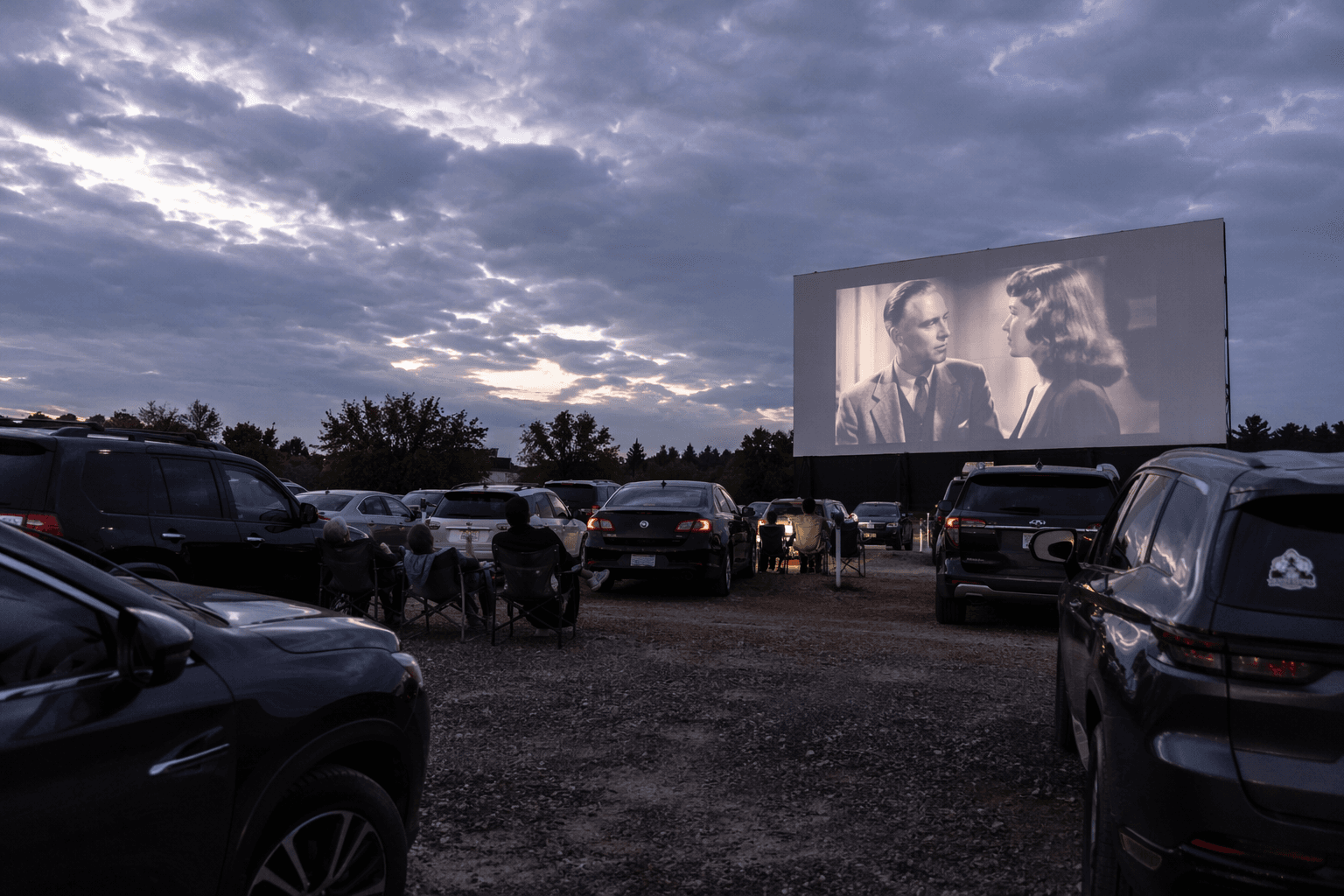
The experience stays close to the classic drive-in model. Audio is broadcast over the vehicle radio, and the house rules say portable radios are allowed too. Lawn chairs are permitted as well, with chairs placed in front of the vehicle, which keeps the lot flexible for families who want to sit outside rather than stay inside the car.
- Watch the film from inside the vehicle or from lawn chairs in front of it.
- Tune the sound through the car radio or a portable radio.
- Expect a double feature, with a triple feature sometimes included.
- Use the full-menu take-out counter instead of planning a separate dinner stop.
That combination makes the night feel self-contained. The parking lot becomes the dining room, the screen becomes the main event, and the car becomes part of the viewing setup, which is exactly why the format still draws repeat visits from families looking for something different from a mall multiplex.
Why Delsea is a survivor
Delsea’s staying power becomes clearer in the national context. DriveInMovie.com says there are about 330 operating drive-ins in the United States today, down from a peak of about 4,000 in the late 1950s. That decline is not a small shift in taste; it is a collapse of an entire category of American entertainment, leaving Delsea in a narrow and increasingly rare lane.
The theater’s survival comes from the fact that the experience is still distinct enough to sell on its own terms. It offers a fixed-screen, open-air movie night, but it also functions as a small business with food service, flexible seating and car-based sound. The format modernized just enough to keep operating while preserving the parts that make a drive-in feel like a drive-in.
The theater’s FAQ adds another sign of how it operates on private, practical terms: Delsea is a privately owned small business with annual limits on gift-giving, even though it is happy to donate to reputable causes when it can. That detail matters because it places the theater in the same reality as many independent Cumberland County businesses, where survival depends on balancing community ties with the limits of a small operation.
What Vineland would lose if it disappeared
If Delsea went away, Vineland would lose New Jersey’s only drive-in and one of the few places in the state where the format itself is still the draw. It would also erase a business that bundles movies, concessions and take-out food into one local outing, keeping that spending inside Cumberland County instead of sending it to a more standardized entertainment chain.
The loss would be cultural as well as commercial. Delsea connects Vineland to a road-trip era of American life, but it does not survive on nostalgia alone. It still works because it is usable now, with radio sound, screen-based admission, outside seating and a food counter that make the night easy to plan.
In a county where many entertainment options look the same as they do anywhere else, Delsea remains tied to a specific place, a specific business model and a specific kind of evening. That is why the theater still matters to Vineland, and why its survival still says something important about Cumberland County’s ability to keep one of its oldest rituals alive.
This article was produced by Prism’s automated news system from verified source data, official records, and press releases, then run through automated quality and moderation checks before publishing. The system is built and supervised by the people who set the standards it runs under. Read our full AI policy.
Did this article answer your question?