EPA proposes lead and arsenic soil cleanup in Vineland floodplain
EPA wants to dig up lead and arsenic soil from about 55 Tarkiln Branch floodplain properties, with a public meeting set for June 17 in Vineland.
Vineland homeowners along Tarkiln Branch could be next in line for a soil cleanup tied to the Former Kil-Tone Superfund site, where the EPA says about 55 floodplain properties have lead and arsenic contamination at levels that require removal. Any work on private property would happen only after permission is obtained from the owner and in coordination with the owner, and the agency is asking for public comment through July 13. EPA will explain the proposal and answer questions at a public meeting June 17 from 7:00 p.m. to 9:00 p.m.
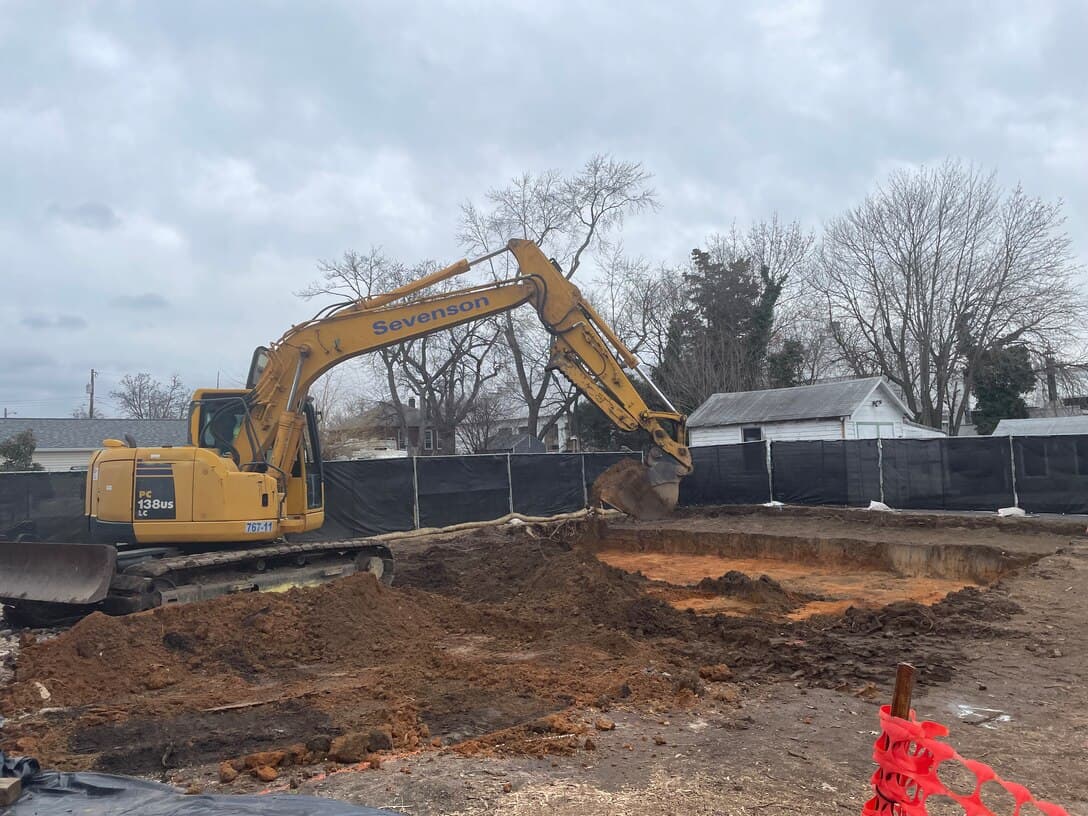
The plan calls for excavating contaminated soil, generally to a depth of 2 feet or less, hauling it off-site for disposal and restoring the properties afterward. EPA also says it may add protections such as deed notices or physical barriers where needed, a sign that not every parcel will get the same treatment and that some yards may need extra safeguards after the digging is finished.

The health and flooding stakes are especially high for families living near the branch. The New Jersey Department of Health says EPA sampled 28 residential properties in the Tarkiln Branch floodplain in October 2015 and found arsenic and lead above EPA residential removal management levels. Because the properties sit in a floodplain, the contamination is not just a backyard issue but one tied to how water moves through the neighborhood and toward connected waterways.
The pollution traces back to the former Kil-Tone Company at 527 East Chestnut Avenue, where the business manufactured arsenic-based pesticides from the late 1910s to the early 1930s. EPA added the site to the National Priorities List in 2016 and has been working through a broader cleanup that includes sediment, surface water and groundwater in and near Tarkiln Branch and Parvin Branch, both tributaries of the Maurice River.
EPA said it has already completed cleanup work at 85 nearby residential properties. In October 2024, the agency said it had finished removing contaminated soil from 87 residential properties and that non-residential cleanup had begun the previous August. For residents now looking at the floodplain proposal, the immediate step is straightforward: check whether a parcel falls within the affected area, attend the June 17 meeting if possible, and submit comments before the July 13 deadline while the agency moves faster on these properties.
This article was produced by Prism’s automated news system from verified source data, official records, and press releases, then run through automated quality and moderation checks before publishing. The system is built and supervised by the people who set the standards it runs under. Read our full AI policy.
Did this article answer your question?