Haskin Shellfish Lab links Cumberland County history and Delaware Bay science
Port Norris’s Haskin lab is where Cumberland County’s oyster history still meets disease testing, breeding and bay governance, shaping jobs and bay health.
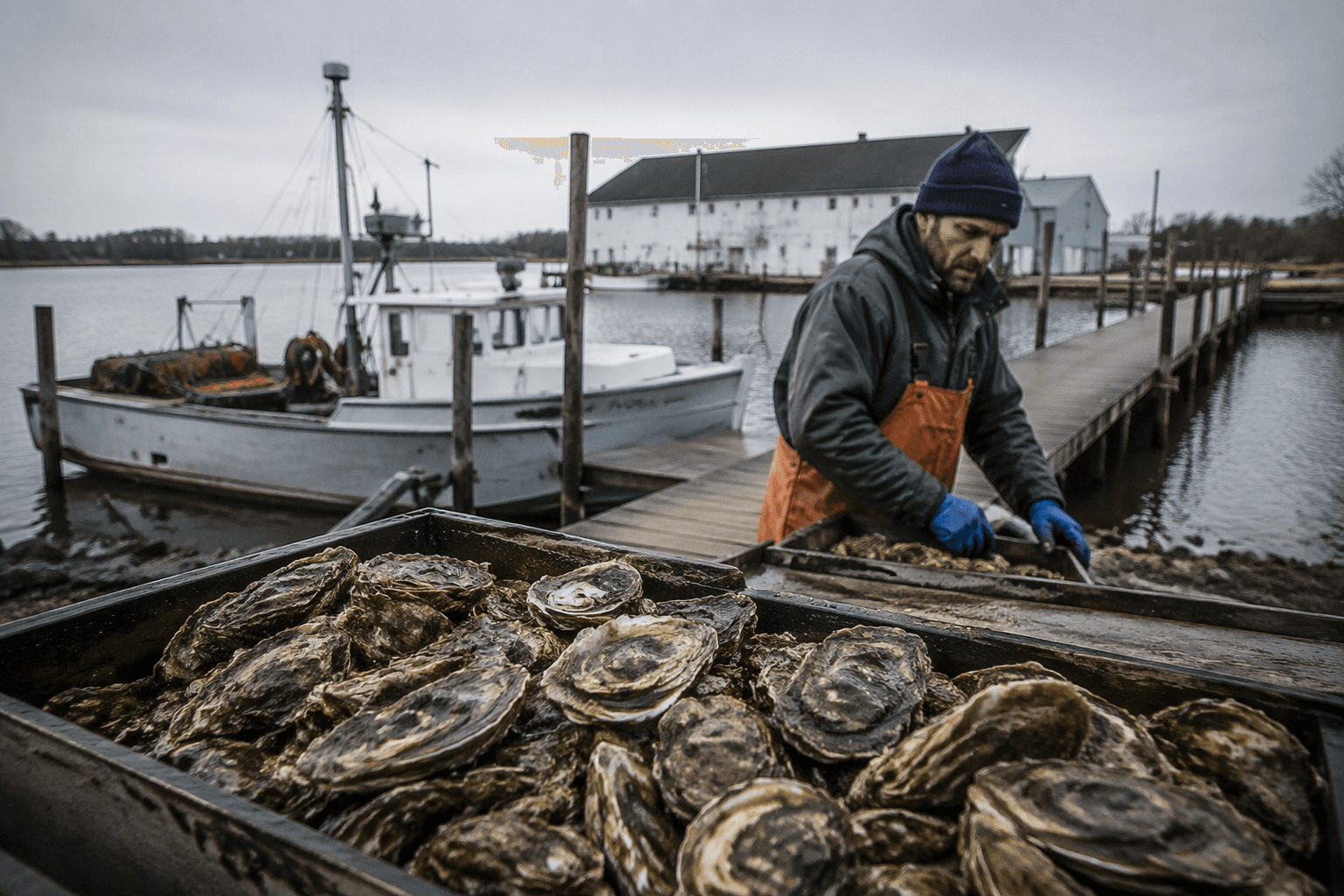
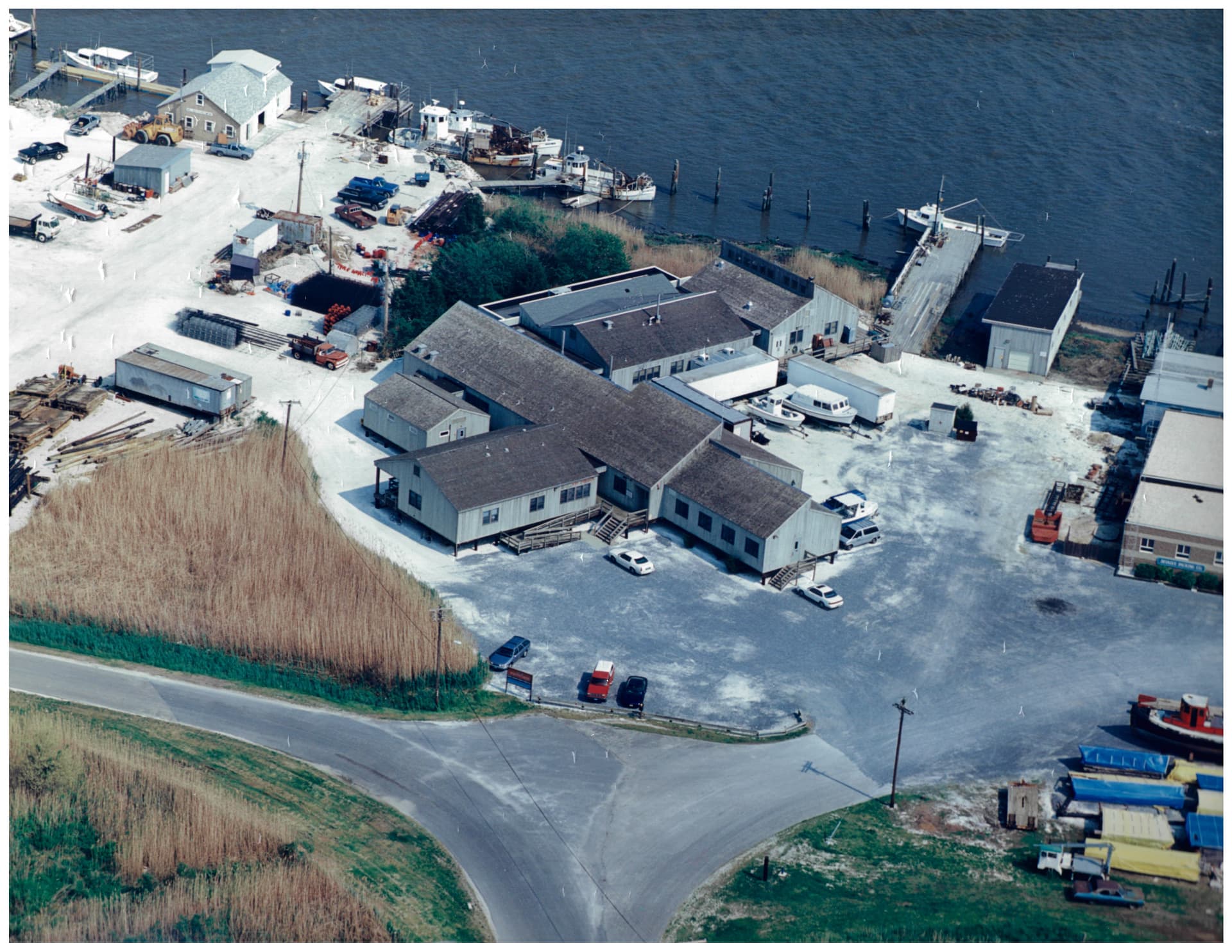
The Haskin Shellfish Research Laboratory in Port Norris is one of Cumberland County’s most important working institutions, even if many residents pass it without realizing how much of the Delaware Bay shellfish economy still runs through its doors. At 6959 Miller Avenue in Bivalve, the lab is not just a campus outpost: it is a field station, a pathology lab and a living link between local maritime history and the decisions that affect growers, fisheries and bay health today.
A bayfront lab with roots in 1888
Rutgers traces the Haskin Shellfish Research Laboratory and its predecessor institutions to 1888, when Julius Nelson founded what became a long-running center for shellfish work. That matters in Cumberland County because the lab has outlasted the boom-and-bust cycles of the Delaware Bay oyster industry, including the collapse, reinvention and ongoing adjustment that have shaped the county’s waterfront towns for more than a century.
The historical line runs through Thurlow C. Nelson, Julius Nelson’s son. Rutgers says he became a professor of zoology in 1919 and was appointed biologist of the New Jersey State Board of Shell Fisheries in 1920. From there, he surveyed the effects of pollution in Delaware Bay and established an experiment station at Bivalve, tying the county’s shellfish science directly to the bay’s environmental stressors.
Why the location still matters
The lab’s address, 6959 Miller Avenue, places it in the Bivalve-Port Norris waterfront corridor, the same stretch of Cumberland County that once powered one of the region’s most famous oyster industries. Rutgers and OBFS both identify the facility as a New Jersey Agricultural Experiment Station unit and a field station for the Department of Marine and Coastal Sciences in the School of Environmental and Biological Sciences.
That designation is more than academic. A field station means the lab is built to work on the waterline, with direct ties to the shellfish grounds, growers and managers who depend on Delaware Bay conditions. Cumberland County gets a research presence that is physically embedded in the local economy, not separated from it in New Brunswick or another inland campus.
From oyster history to climate-ready shellfish
The Haskin lab’s current work shows how old shellfish science has become new coastal policy. Rutgers’ oyster-history materials say early Rutgers oyster research evolved into modern shellfish breeding programs, and Rutgers and NJ Spotlight News reported in 2021 that scientists at Haskin were breeding tougher shellfish as water temperatures rise. That work was aimed at climate-change-ready scallops and clams in New Jersey waters, a practical response to warmer conditions that could reshape harvests in the bay.
A Rutgers 2025 aquaculture presentation lists the shellfish breeding team at HSRL and names Ximing Guo, Samuel Ratcliff, Zhenwei Wang, Jillian Jamieson, Paul Coyne, Alyssa O’Hala, Noah Chriss and Joseph Gabris III. The presence of that many researchers underscores that the lab is not maintaining a museum display of oyster history. It is actively producing the next generation of shellfish science, with Cumberland County as the home base.
That matters economically because breeding programs can influence what survives in Delaware Bay, what growers can plant, and how resilient local shellfish operations remain as temperatures, disease pressure and water quality shift. Rutgers’ oyster-history pages also note that disease and pollution reshaped the Delaware Bay oyster industry, which is why today’s breeding work sits inside a much older cycle of environmental strain and industry adaptation.
A service lab for growers, fisheries and managers
The Haskin lab’s value extends beyond breeding. Rutgers says its shellfish pathology group serves research, aquaculture, fisheries and resource-management communities. It is also an approved shellfish pathology lab for interstate transport by most East Coast states in the U.S., a detail that gives the county a real regulatory asset.
That approval has direct consequences for the shellfish supply chain. When shellfish move across state lines, growers and managers need recognized pathology work that can support transport and handling. Having that capability in Port Norris means Cumberland County is not merely exporting raw oysters and clams, it is also hosting the scientific and diagnostic work that helps those products move through a wider market.
Rutgers also says the lab supports commercial and recreational fisheries research, which broadens its local reach. Commercial shellfishing is still part of the county’s economic identity, and recreational uses of the bay remain tied to the health of the same waters. The lab sits at the point where those interests overlap.
An archive of bay history and working knowledge
The Haskin lab also preserves a record of how Delaware Bay shellfish science developed. Rutgers Newsroom reported in 2022 that the lab preserved oyster history and old research data, including vintage oyster culture laboratory weather data. That archive gives the county something most waterfront communities do not have: a scientific memory of its own bay.
Rutgers’ documents page says the lab stores New Jersey shellfish aquaculture reports and documents, including surveys of growers and Aquaculture Status and Outlook Reports. Those records matter because they capture how the industry has changed over time, what growers were facing, and how shellfish production evolved across the state. For Cumberland County, that makes the lab a repository of local economic history as much as a research facility.
A place where county decisions still land
The lab is also part of how shellfish governance still happens in the region. The Delaware Bay Shellfisheries Council met at HSRL in Bivalve on January 7, 2020, and the minutes list Cumberland County officials Warren Hollinger and Steven Fleetwood among those present. That detail shows the lab is not isolated from public decision-making. It remains a place where county representatives and shellfisheries leaders gather around the issues that affect the bay.
That combination of history, science and governance is what gives the Haskin Shellfish Research Laboratory its weight in Cumberland County. If its influence or support were to diminish, the county would lose more than a research address. It would lose a field station that connects local waterfront work to shellfish breeding, pathology, archival records and the practical management of Delaware Bay’s living resources, all from one place on Miller Avenue in Port Norris.
This article was produced by Prism’s automated news system from verified source data, official records, and press releases, then run through automated quality and moderation checks before publishing. The system is built and supervised by the people who set the standards it runs under. Read our full AI policy.
Did this article answer your question?