How Cumberland County Residents Can Track Local Government Decisions
Most Cumberland County residents never know a zoning change or tax decision happened until it's too late; here's the 10-minute weekly routine that keeps you in the room.
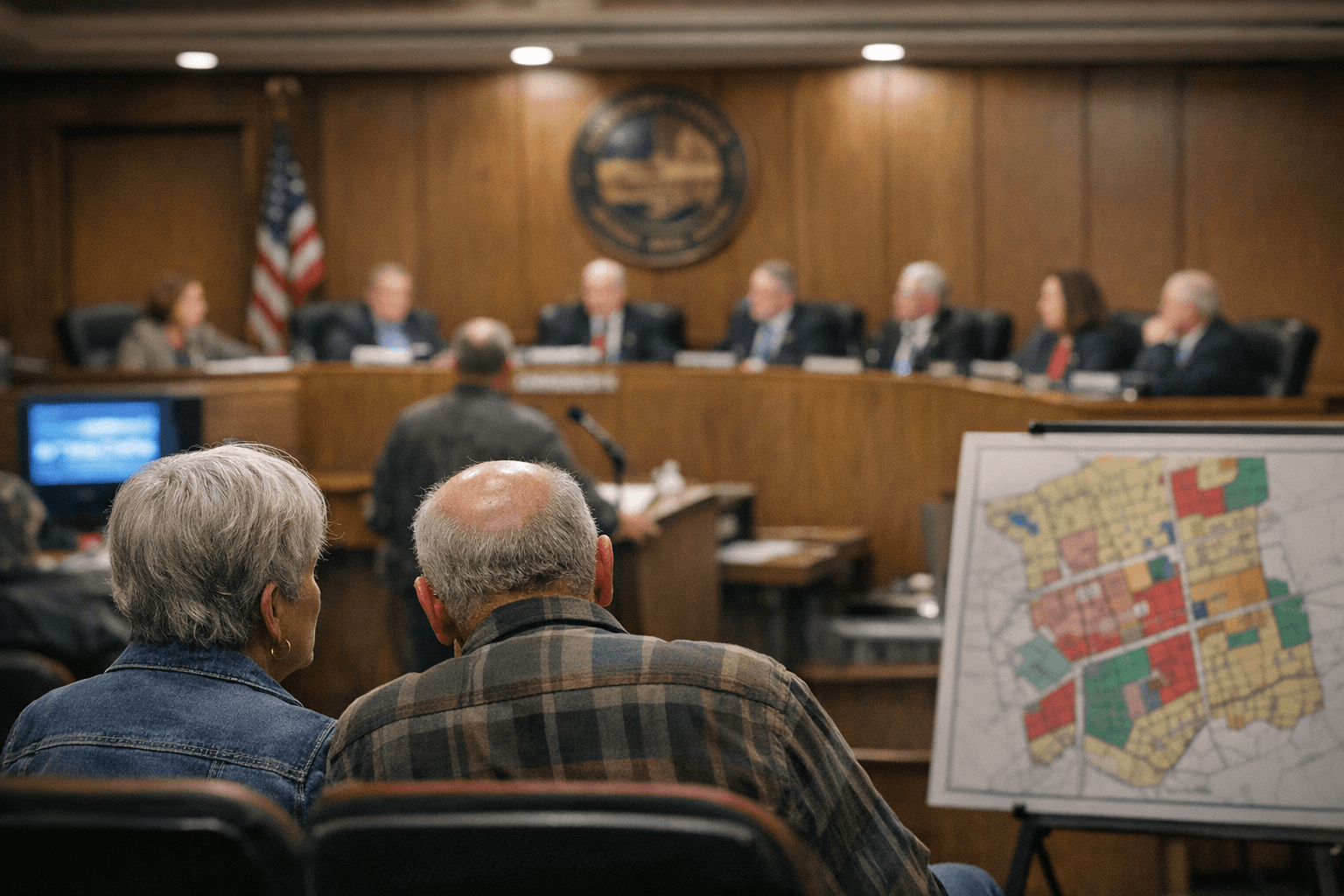
Every week, the Cumberland County Board of County Commissioners, city councils in Vineland, Millville, and Bridgeton, school boards, and planning boards vote on decisions that set tax levies, approve or reject development projects, allocate grant money, and shape policing and public services. The overwhelming majority of those votes happen with near-zero public scrutiny, not because residents don't care, but because the machinery of local government is genuinely hard to monitor without knowing exactly where to look. Ten minutes once a week is enough to change that.
Build your weekly agenda check
The single most effective habit is checking meeting agendas on Monday or Tuesday before the week's sessions. For county-level decisions, the starting point is cumberlandcountynj.gov/meetings/, which lists every upcoming public meeting of county boards, authorities, and commissions. The Board of County Commissioners posts its own schedule and agenda packets at cumberlandcountynj.gov/commissionersmeetings; these are the sessions where county budgets, infrastructure contracts, and grant awards are approved, and where a single line item can redirect hundreds of thousands of dollars.
For Vineland, the CivicClerk portal at vinelandnj.portal.civicclerk.com lists agendas and minutes for city council, the planning board, and other bodies; the city council specifically opens public comment at the beginning of every regular meeting and every work session before the governing body discusses individual items, meaning you can speak before the votes happen. Millville's Agenda Center at millvillenj.gov/agendacenter publishes meeting schedules, board minutes, and commission notices. Bridgeton's Agenda Center posts city council agendas and minutes and is accessible through the city's official portal.
Subscribe so decisions come to you
Rather than checking sites manually every week, use the subscription tools each portal offers. The county site and most municipal portals allow residents to sign up for email alerts when new agendas or press releases are posted. On the Millville CivicEngage platform, creating a free account also lets you manage notification subscriptions and save form progress. This turns passive awareness into an automatic Monday-morning briefing without any additional time investment.
How to read an agenda packet in five minutes
When an agenda lands in your inbox, open the packet, not just the agenda summary. Key decision documents are typically embedded or linked: engineer reports on infrastructure bids, staff memos recommending zoning approvals, grant agreements, and budget amendments. Scan for dollar figures, property addresses, and ordinance numbers. For land-use hearings specifically, those applications include site plans, variance requests, and conditional-use justifications that reveal what a developer is actually proposing in a given Vineland corridor or Commercial Township parcel, often months before anyone puts up a construction fence.
The two ways public comment actually changes outcomes
Two forums carry the most genuine leverage for Cumberland County residents.
The first is the planning or land-use board hearing. When a developer applies for a rezoning, variance, or conditional-use approval, the public has a legal right to testify, and that testimony becomes part of the formal record. Documented objections can cause a board to attach conditions to an approval, require additional studies, or in some cases deny an application outright. Arriving before the hearing opens and reviewing the project packet beforehand is essential; a vague comment carries far less weight than one that cites a specific section of the application. For formal legal protests, particularly against a zoning change that could qualify as a "protest petition" under New Jersey law, consulting an attorney experienced in municipal land use is the appropriate step, since such petitions can trigger a supermajority requirement for approval.
The second is the County Commissioner budget session. The annual budget process involves public hearings at which residents can contest line items, advocate for service funding, or challenge proposed cuts. Commissioner sessions also handle county-wide ordinances and grant awards; showing up at a public hearing and testifying on the record creates an official response obligation that an email to an administrator does not.
Filing an OPRA request
When the document you need is not posted online, the Open Public Records Act gives every New Jersey resident the right to demand it. For Cumberland County records, including contracts, spending ledgers, inspection reports, and correspondence, file directly through the county's dedicated portal at cumberlandcountynj.nextrequest.com. The platform, which has logged more than 6,700 requests, allows you to track the status of your submission. Under New Jersey law, the custodian of records must respond within seven business days.
For records held by individual municipalities, the request goes to the municipal clerk, not the county. The Cumberland County Clerk's office, led by Celeste M. Riley, is located at the Cumberland County Court House, 60 W. Broad Street in Bridgeton, and can be reached at (856) 453-4860 or by email at ccclerknj@cumberlandcountynj.gov. A satellite office operates at the Cumberland Mall, 3849 S. Delsea Drive in Vineland, for residents in the county's northern communities. Standard hours run Monday and Wednesday through Friday from 8:30 a.m. to 4:30 p.m., with extended Tuesday hours until 7:00 p.m.
When to show up and what to expect
Most boards accept in-person public comment during a designated portion of the meeting; a growing number also offer hybrid or Zoom access, with remote participation links posted in the agenda itself. Before speaking, confirm the meeting's rules: time limits for public comment vary by board, some require advance registration, and school board meetings in particular govern the order and topic scope of public testimony through their posted bylaws.
School board sessions covering budgets, safety policies, and curriculum are another high-stakes forum where concise, documented testimony, tied specifically to agenda items, tends to carry more practical weight than general statements. If a proposed budget item directly affects a school in Millville or Vineland, noting the specific line number and its dollar impact is the kind of specificity that board members and superintendents remember.
The county and municipalities also publish press releases and news updates at cumberlandcountynj.gov/news, which surface decisions already made and upcoming public notifications. Reading those in parallel with the upcoming agendas closes the loop between what was voted on and what comes next. Done consistently, the full weekly routine takes about ten minutes and leaves no county vote, planning decision, or budget amendment invisible.
This article was produced by Prism’s automated news system from verified source data, official records, and press releases, then run through automated quality and moderation checks before publishing. The system is built and supervised by the people who set the standards it runs under. Read our full AI policy.
Did this article answer your question?

