Leadership Cumberland County class explores arts, culture, diversity before graduation
Leadership Cumberland County’s Class of 2026 closed its final Learning Day on arts, culture and diversity, part of a program built to turn participants into countywide civic leaders.
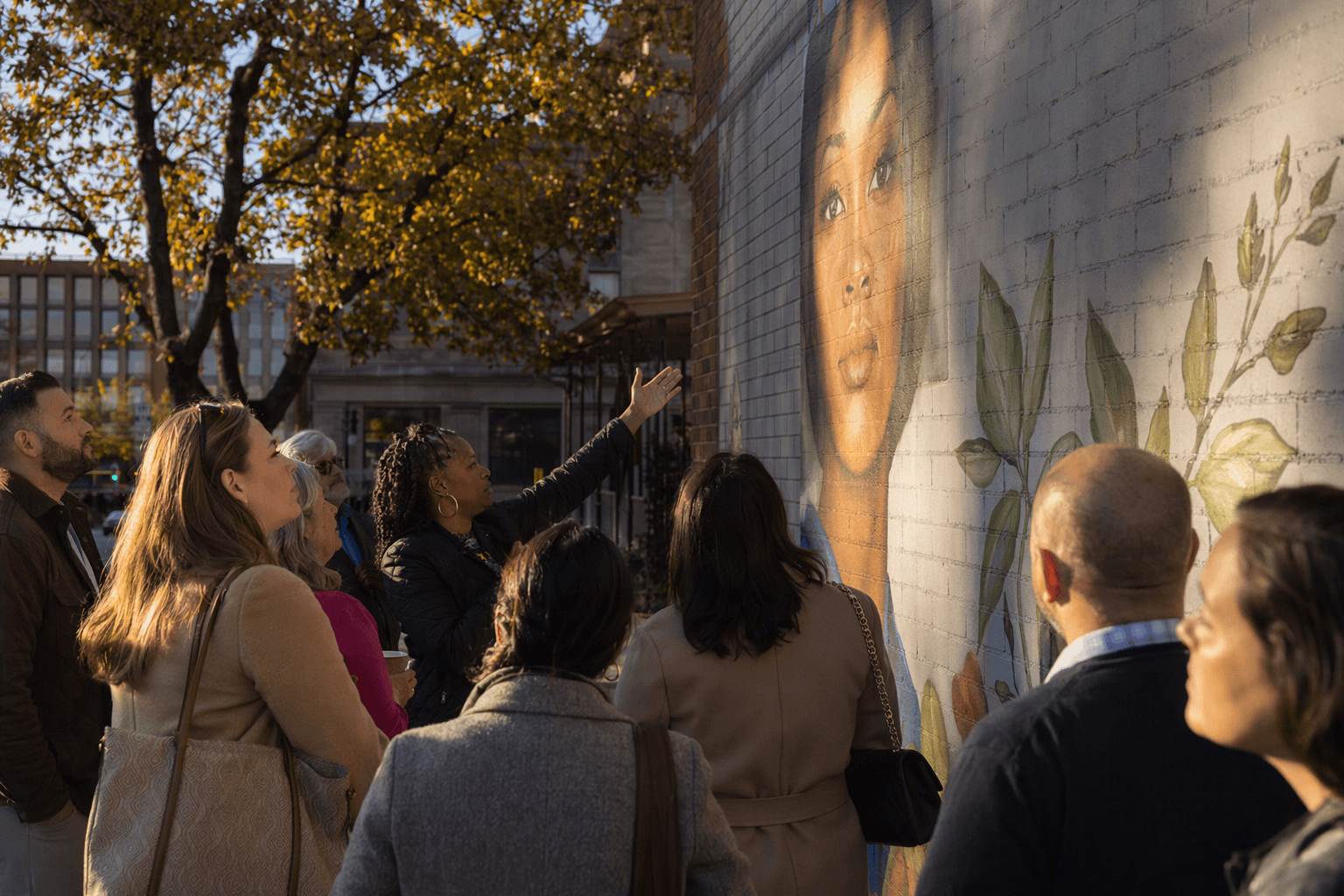
Leadership Cumberland County’s Class of 2026 is nearing graduation, but the more telling milestone came in its final Learning Day, when participants spent the day examining arts, culture and diversity across Cumberland County. The program’s design makes that more than a ceremonial stop: it is a nine-month pipeline meant to expose residents to the institutions, issues and people that shape local decision-making in Vineland, Bridgeton, Millville and beyond.
Launched in 2001 by then-President Kenneth Ender and community leaders, and originally sponsored by Cumberland County College, Leadership Cumberland County was built to “engage residents as change agents for a better Cumberland County.” That mission has stayed consistent as the program has grown into a countywide network with more than 350 alumni and a reputation for placing participants in roles that reach well beyond the classroom, from nonprofit boards to business groups and public service.
Each class runs with about 24 participants, who meet one day a month after an initial two-day retreat. The curriculum includes Learning Days on Criminal Justice, Health and Human Services, Education, Economic Development, Environment and Energy, and Cultural Diversity and Tourism. Participants are split into teams of three, and each team designs a countywide Learning Day intended to connect classmates with officials, institutions and local assets while also showing where the county’s problems remain stubborn.
That structure matters in a county where civic leadership often depends on relationships across municipal lines. The program’s stated objectives are to build a network of leaders, identify emerging leaders, value diversity as a countywide resource and encourage pride in Cumberland County. It also asks participants to show up, with at least seven Community Learning Day sessions required for completion.
The final day on arts, culture and diversity fits that model by pushing the class to see Cumberland County as more than a collection of separate towns. It is the kind of training that can influence who shows up on a nonprofit board, who participates in downtown projects and who helps shape public decisions after the graduation ceremony passes.
Tuition has remained $700 since the program began, with additional costs covered by sponsors and private donations, a sign that the county still treats the class as an investment in civic capacity. The real test for the Class of 2026 is not the ceremony itself, but whether its members carry that countywide lens into the next hard problem Cumberland County needs solved.
This article was produced by Prism’s automated news system from verified source data, official records, and press releases, then run through automated quality and moderation checks before publishing. The system is built and supervised by the people who set the standards it runs under. Read our full AI policy.
Know something we missed? Have a correction or additional information?
Submit a Tip