Lone dolphin spotted upriver in Millville raises wildlife concerns
A bottlenose dolphin was reported near Burcham’s Point in Millville after a harbor seal appeared upriver weeks earlier, raising questions about the Maurice River.
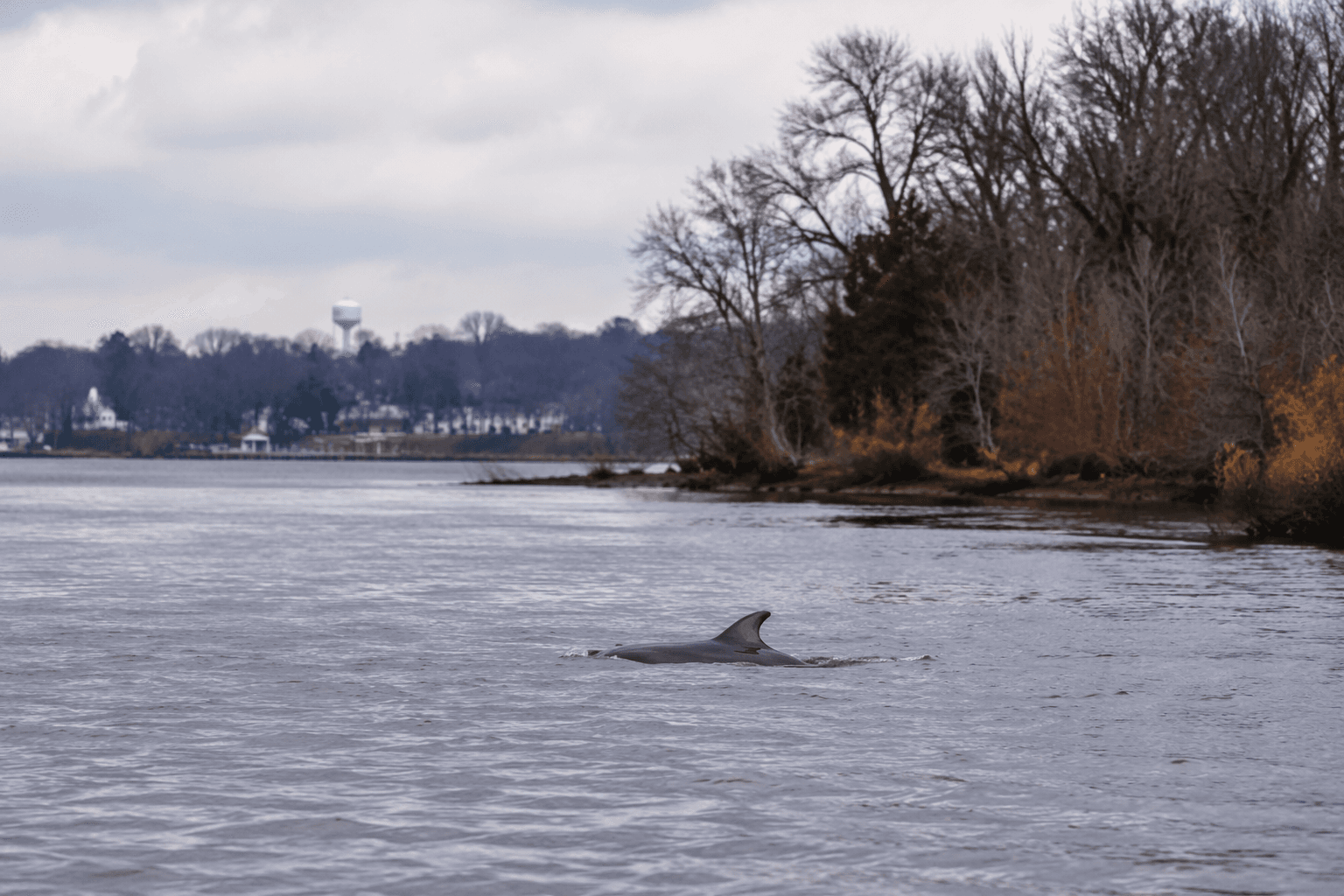
A lone common bottlenose dolphin near Burcham’s Point in Millville has become more than an odd sight on the Maurice River. After a harbor seal was seen upriver a few weeks earlier, people began reporting the dolphin on May 18, and it later turned up again during routine checks of osprey nesting platforms.
The animal’s presence inland matters because bottlenose dolphins are usually coastal, social animals that travel in pods, not isolated individuals moving far up a freshwater river system. CU Maurice River, which works to protect the Maurice River watershed through fieldwork, advocacy, research and education, treated the sighting as a reminder that unusual wildlife movement can signal stress, illness, or changing conditions rather than simple curiosity.
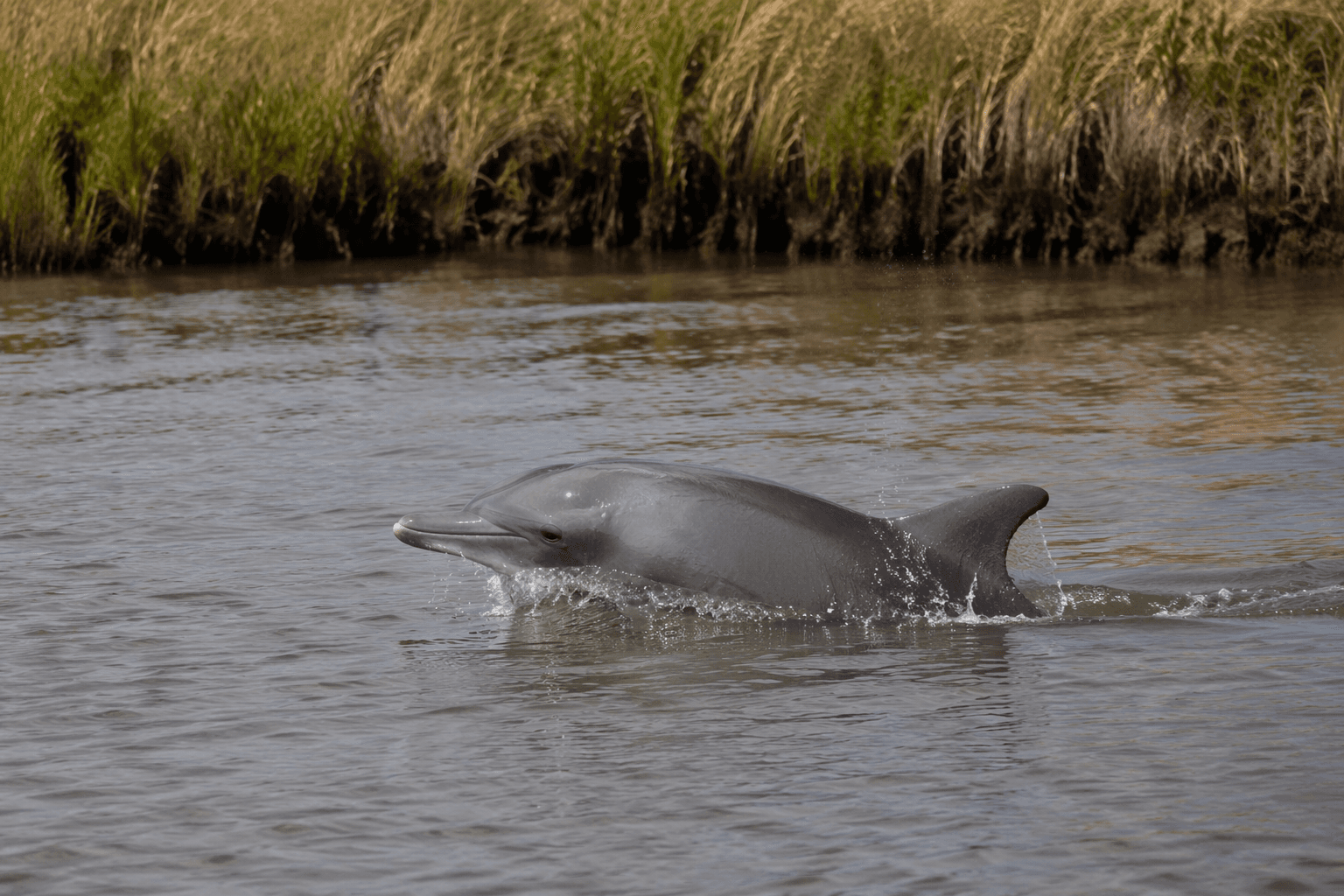
NOAA Fisheries says common bottlenose dolphins live in coastal waters, bays, gulfs and estuaries, and describes dolphins and porpoises as sentinels of ocean health. The agency also says bycatch in fishing gear is a leading cause of common bottlenose dolphin deaths and injuries. Marine mammal researchers note that a dolphin seen alone may be there because of personality, a lost companion, illness, or the behavior of an orphaned juvenile, but none of those possibilities can be confirmed from a sighting alone.
The public response matters just as much as the animal’s behavior. NOAA says it is illegal to feed or harass wild marine mammals and advises staying at least 50 yards away. Its viewing guidance also prohibits harassing, harming, pursuing, wounding, killing, capturing or collecting protected marine species. The June 9 column that tracked the Millville sighting also urged observers to limit their time to 30 minutes, a reminder that even well-meaning attention can push wildlife closer to danger if it becomes repeated or close-range contact.
For New Jersey residents who spot a stranded or distressed marine mammal, the Marine Mammal Stranding Center remains the state’s only federally authorized rescue, rehabilitation and release facility. Since opening in 1978, it says it has responded to more than 6,400 animals, with 2013 its busiest year at 292 animals, many tied to a morbillivirus die-off. NJDEP directs the public to report stranded marine mammals to the center’s hotline at 609-266-0538 and to use the Marine Protected Wildlife Reporter application for sightings of federally listed marine species.
The local concern is straightforward: the Maurice River can attract unexpected visitors, but dolphins do not belong in the role of tourist attraction. The safest response is distance, restraint and a quick call to the people trained to help.
This article was produced by Prism’s automated news system from verified source data, official records, and press releases, then run through automated quality and moderation checks before publishing. The system is built and supervised by the people who set the standards it runs under. Read our full AI policy.
Did this article answer your question?
