Millville museum preserves World War II fighter pilot training legacy
Millville’s WWII museum keeps a rare fighter-training site alive, but preserving 24 historic buildings now depends on grants, repairs, and steady public use.
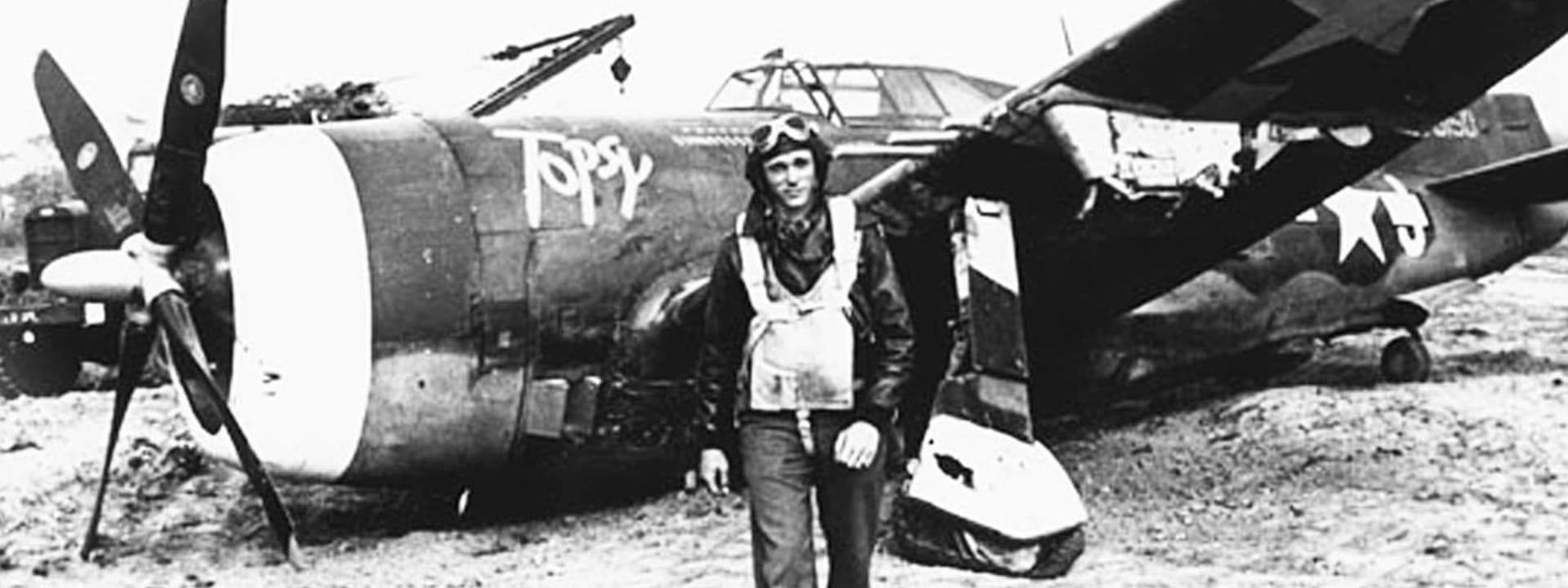
Millville Army Air Field Museum is preserving more than artifacts. It is keeping a rare World War II training landscape intact, on a site that still draws more than 12,500 visitors a year and requires constant repair to stay open as a public asset in Cumberland County.
A wartime base that trained fighter pilots
The Millville Airport was dedicated as “America’s First Defense Airport” on August 2, 1941, and Millville Army Air Field opened in January 1943 as a gunnery school for fighter pilots. In the years that followed, about 1,500 pilots received advanced fighter training there, first in P-40 Warhawks and later in P-47 Thunderbolts. More than 10,000 men and women served at the field during its wartime existence, and the museum honors 14 pilots who died while training there.
The scale of the place is part of what makes it matter. By the end of 1942, the base reportedly covered more than 14,000 acres, had four concrete runways, and housed 125 single-engine fighter planes. At its height, the field held 64 P-47 Thunderbolts, more than 1,300 enlisted men, and 439 officers. The gunnery ranges used full-scale replicas of ships, bridges, tanks, trucks, and railroads for strafing and bombing practice, turning the site into a working combat school rather than a symbolic outpost.
What still stands at 23 Peterson Street
The museum operates from the original base headquarters building, known historically as Building 1, at 23 Peterson Street in Millville. The surrounding Millville Army Air Field Historic District is made up of 24 buildings and two hangars, a footprint that shows how much of the wartime base still survives in physical form.
The historic complex also includes the original World War II Link Trainer Building, which houses a rare fully operational Link trainer, and the Henry E. Wyble Historic Research Library and Education Center in a restored wartime warehouse. The New Jersey Department of State Cultural Trust says the museum stewards four historic buildings, and one of the Link trainers is among only five fully operational World War II flight simulators in the world. That gives the site unusual preservation value: it is not just showing the war, it is keeping the machinery and spaces of flight training alive.

How the preservation project was built
The museum did not appear overnight. Its roots go back to the early 1970s, when airport manager Lewis B. Finch and Michael T. Stowe began building a collection and pushing for a permanent place to display it. Stowe approached city officials in 1983 about a museum at the airport, and the museum was incorporated in 1988.
The formal preservation milestones followed later. The airfield and its remaining buildings were listed on the New Jersey Historic Register in October 2009, then designated a historic district by the State of New Jersey in 2011. A 2005 New Jersey Historic Trust grant helped prepare the district nomination and restoration plans for Hangar 8 and Building 31, an early sign that the project would require more than volunteer enthusiasm. Since then, state preservation money has repeatedly been part of the equation.
The funding trail shows the costs of keeping a wartime complex intact. In 2019, preservation funding supported reroofing part of the museum and rehabilitating Building 31. In 2022, money supported a three-year strategic plan. In 2023, funding went to a conditions assessment and outdoor interpretive signage. In fiscal 2024, the New Jersey Department of State Cultural Trust awarded the museum a $30,000 grant to repair all four chimneys. Grants recommended for 2024 and 2025 point to more management, tourism, and capital work still ahead.
A museum that still functions as a classroom
The Henry E. Wyble Historic Research Library and Education Center opened in April 2007 and widened the museum’s role beyond display space. The library houses books on World War II, World War I, Vietnam, the Korean War, the Middle East, and the Persian Gulf wars, along with a video library and theater. It is also available for meetings and tours, making it a working educational site as much as a preservation project.

Visitors do not just move through static exhibits. The museum’s living-history element includes World War II veterans who discuss their experiences and explain the displays, a detail that gives the place a direct link to the generation that trained there. Aircraft, murals, artifacts, and aviation exhibits fill the historic buildings, and the museum has continued adding to the story, including moving a World War II observation tower to the airport in 2024 for restoration.
That kind of use matters in a county that is weighing what counts as a serious civic institution. A museum drawing more than 12,500 visitors a year, hosting meetings and tours, and housing a research library serves a different public role than a seasonal attraction. It is part archive, part classroom, and part community meeting ground.
Why Cumberland County has a stake in the next repair bill
The preservation challenge at Millville is not abstract. A district with 24 buildings and two hangars needs roofs, chimneys, assessments, interpretive planning, and ongoing capital work if the story is going to stay visible. The museum’s long arc, from Finch and Stowe’s early collection work to repeated state grants, shows that the site survives because people keep investing in it.
If that work slips, Cumberland County loses more than a museum. It loses Building 1, the Link Trainer Building, the Wyble Library, Hangar 8, Building 31, and the physical record of a base where thousands served and 1,500 pilots trained for combat. The museum’s mission to preserve aviation, military service, and veteran memory depends on keeping those structures sound, and the next round of repairs will decide how much of that wartime landscape remains for the public to use, study, and remember.
This article was produced by Prism’s automated news system from verified source data, official records, and press releases, then run through automated quality and moderation checks before publishing. The system is built and supervised by the people who set the standards it runs under. Read our full AI policy.
Did this article answer your question?
