Mother, daughter find purpose in hospice care in Vineland
A Vineland hospice family story becomes a practical guide to when to seek help, what Medicare covers and why local care changes everything.
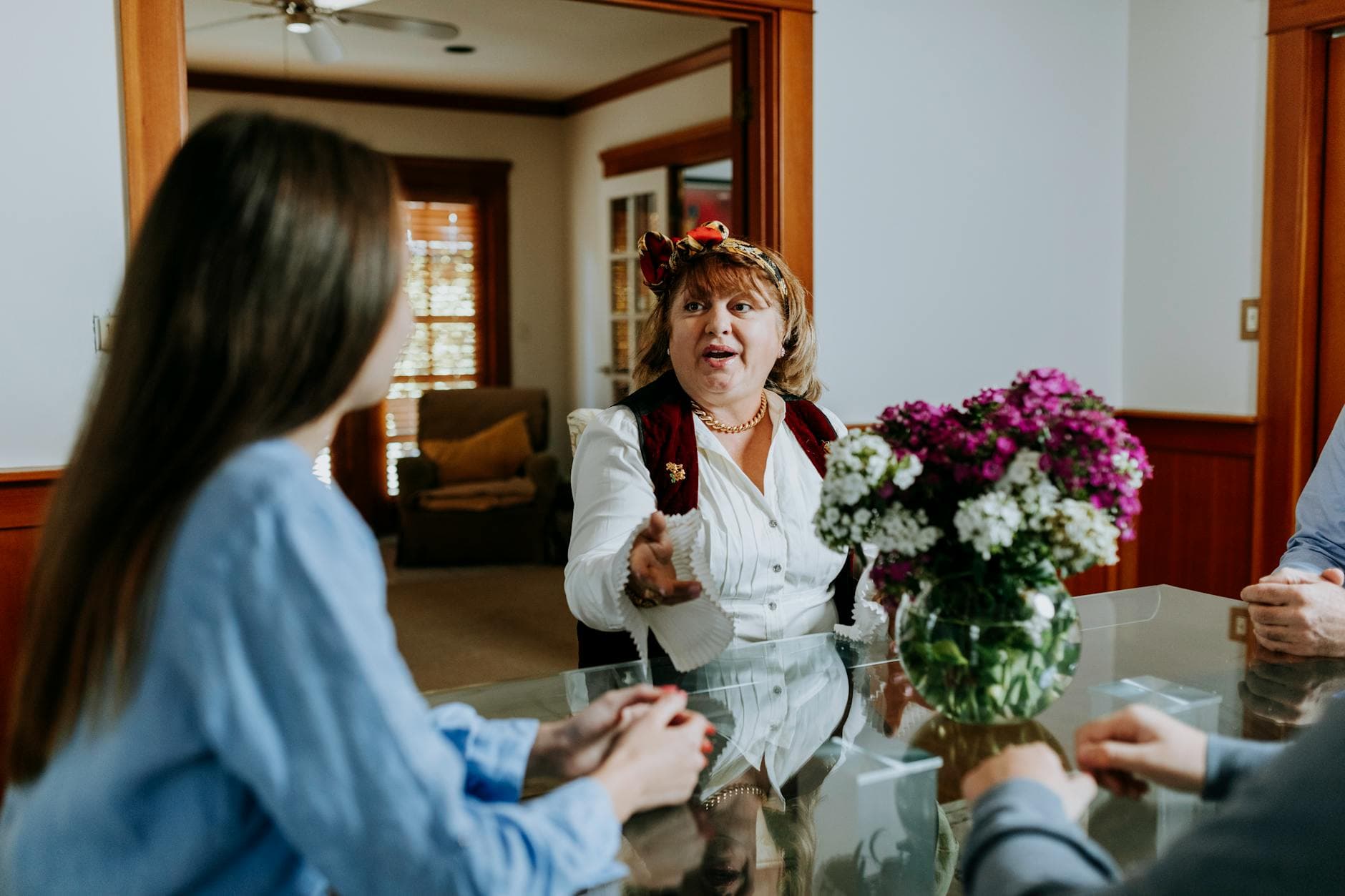
A family story rooted in Vineland
Sara Offenbacker did not just find a job at NJHealth Hospice and Palliative Care. She found a calling that runs through her family, her workdays on W. Landis Avenue and the way she sees end-of-life care for Cumberland County. For the past four years, she has served as program manager at the Vineland office, while her daughter, Alicia, has worked beside her as an RN case manager.
That family bond is tied to a memory that shaped Alicia’s life early. When she was 11, her father was receiving hospice care after a cancer diagnosis. In that season, she stepped naturally into a caregiving role and told him she would one day become a nurse. After a few changes in college majors, she returned to nursing, earned her RN and BSN, and joined NJHealth last year. For Sara, watching her daughter carry that promise into daily practice makes the work personal. For Alicia, working alongside her mother is both grounding and inspiring.
What hospice care actually looks like
In Cumberland County, hospice is often misunderstood as a place or a final stop. The reality is more practical and more human. Under the Medicare hospice benefit, it is a program of care and support for terminally ill patients with a life expectancy of six months or less if the illness runs its normal course. That benefit can include nursing care, medical equipment and supplies, drugs for pain and symptom management, aide and homemaker services, social work, spiritual counseling and grief support before and after death.
Alicia’s role shows how much coordination sits behind that list. She does far more than paperwork or scheduling. She visits patients, helps families move from the hospital to home or rehabilitation, arranges services and equipment, and stays with people through one of the hardest stretches of life. In practical terms, that can mean helping a family understand what will happen next, what support is available and how to keep a loved one comfortable while the household adjusts.
The work is especially meaningful because it is rooted in the same community it serves. NJHealth describes itself as a hometown hospice and palliative care provider for Vineland, Cumberland County and South Jersey, and the Vineland office sits at 415 W Landis Ave, Suite 100, Vineland, NJ 08360. Families can reach it at 856-696-5340. For people facing a serious illness, having a local team that knows the area and the pressures families live under can reduce confusion at exactly the moment when clarity matters most.
When families usually need help, and why they wait too long
Hospice is often brought up only after a crisis, but the Medicare definition makes clear that it is not meant for the last hours or even the last few days. It is designed for people whose illness is expected to run its course within six months or less. That timing matters, because earlier calls can make it easier to manage pain, gather equipment, coordinate services and give family members room to breathe.
One of the biggest misconceptions is that hospice means giving up. In practice, it is a shift in goals: from fighting the illness at all costs to making daily life more comfortable and supported. Another common misunderstanding is that families must wait until they can no longer manage at home, when the benefit actually includes the kind of nursing, aide, social work and grief support that can help a household hold together before a crisis becomes an emergency.
A third misconception is that hospice is only for the patient. Alicia’s work shows the opposite. The family around the patient often needs as much guidance as the person receiving care, especially when a hospital stay ends and the next step is home or rehabilitation. That transition is one of the places where families most often feel lost, and it is exactly where a case manager can make the difference between panic and a workable plan.
Why a local office matters in Cumberland County
The scale of the need helps explain why a grounded local presence matters. Cumberland County’s population was 154,152 in the 2020 Census and is estimated at 157,148 in 2025. Vineland had 60,780 residents in 2020 and an estimated 62,703 in 2025. In a county and city of that size, hospice is not an abstract service tucked far away in a regional system. It is part of daily life for families who may already be juggling work, transportation, caregiving and medical bills.
That local reality is part of the story of NJHealth’s Vineland office. The organization was assigned its NPI in January 2009, giving it a long-standing footprint in the city. For families in Vineland and across Cumberland County, that kind of continuity matters. The people answering the phone, making the visits and coordinating equipment are not strangers to the region. They are working in the same neighborhoods where the families they serve live, grieve and try to keep moving forward.
Sara and Alicia’s story captures that point better than any brochure could. Hospice care in Cumberland County is not just a policy term or a Medicare benefit. It is a network of nurses, case managers, aides, counselors and family members trying to bring steadiness to an unstable time. When that support comes from people who understand Vineland, the service becomes more than clinical care. It becomes a community promise kept.
Policy, education and the bigger picture
New Jersey has also tried to make hospice and palliative care easier to understand statewide. P.L. 2019, c.227 created the Palliative Care and Hospice Care Advisory Council and a consumer and professional information and education program. That matters because many families still wait too long to ask about hospice, often because they do not know when to start the conversation or assume it is only for the very end.
Public policy cannot replace bedside care, but it can lower the barrier to asking for help. When a state creates an education framework and a county has a hometown provider with a known address, a working phone number and a staff rooted in the area, the path to care becomes less intimidating. For Cumberland County families facing serious illness, that can mean more comfort, more coordination and less time spent trying to navigate the hardest decisions alone.
This article was produced by Prism’s automated news system from verified source data, official records, and press releases, then run through automated quality and moderation checks before publishing. The system is built and supervised by the people who set the standards it runs under. Read our full AI policy.
Did this article answer your question?