New Jersey Centers Black History Anniversaries with Local Commemorations
New Jersey is marking multiple major Black History anniversaries throughout 2026, aligning statewide exhibits and programs with the national theme "A Century of Black History Commemorations." For Cumberland County residents, the focus on Underground Railroad routes, Black Civil War veterans, and South Jersey stories offers opportunities for community engagement, education, and policy conversations about racial equity and public health.
New Jersey institutions, scholars and community groups are coordinating a year of events and exhibits to highlight African American history across the state in 2026. The commemorations coincide with the national theme "A Century of Black History Commemorations," recognizing 100 years since Dr. Carter G. Woodson began Negro History Week and situating these remembrances within the broader context of the nation’s 250th anniversary.
Museums and cultural sites statewide are preparing programs that emphasize regional and local narratives. Planned content will include interpretation of Underground Railroad routes that crossed the state, the contributions of Black Civil War veterans, and archival and oral-history projects emerging from South Jersey historical societies. Those efforts aim to bring often-overlooked local stories into public view and to broaden understanding of how state and national histories intersect with the everyday lives of Cumberland County residents.
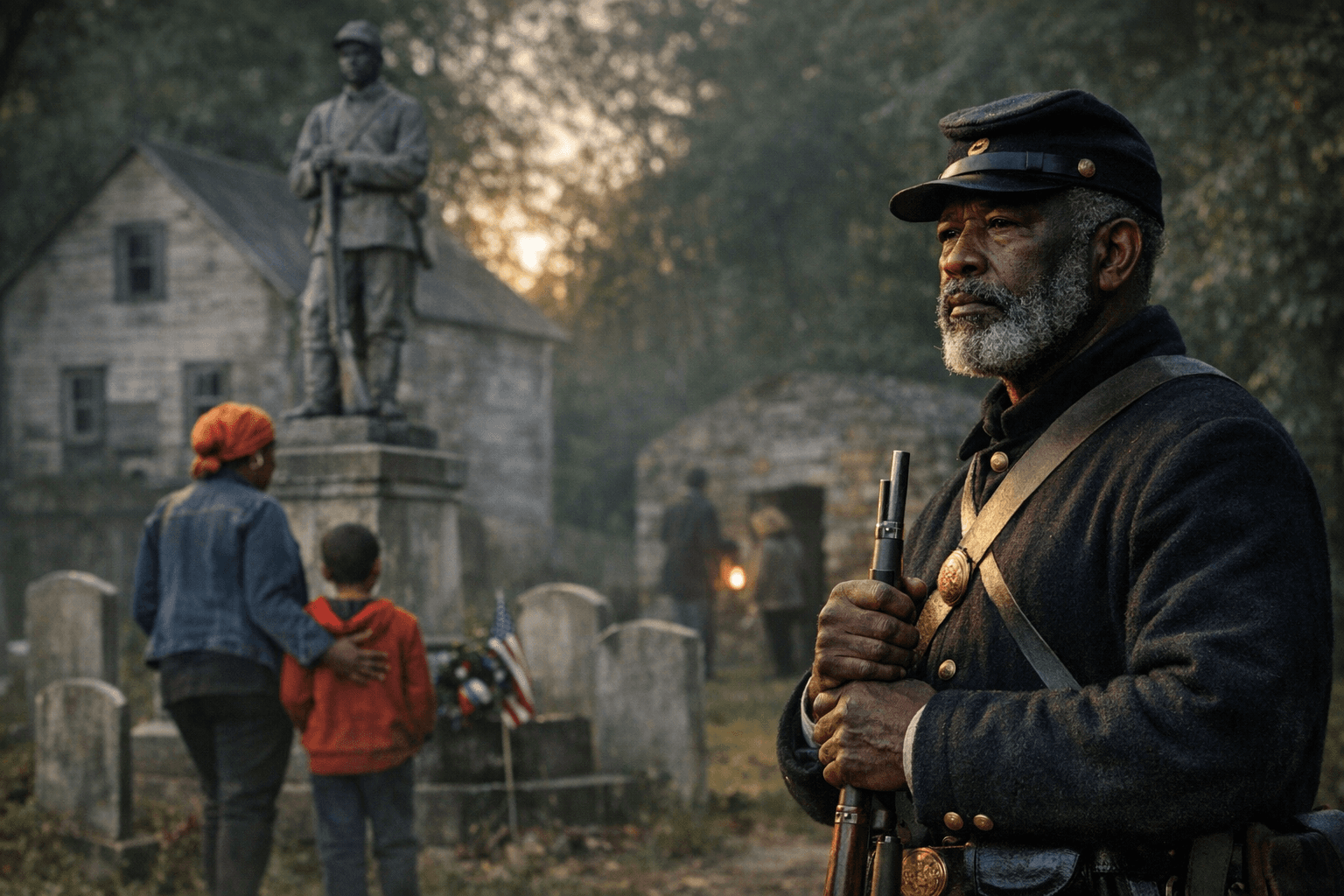
The local focus carries public health and social equity implications. Acknowledging historical patterns of exclusion and violence is an essential step in addressing persistent health disparities linked to structural racism. Community-centered commemorations can support mental health and civic cohesion by creating spaces for collective remembrance and conversation. They also offer public health departments, schools and health-care providers an opportunity to connect historical context to current prevention, outreach and equity initiatives.
For Cumberland County, the programming presents concrete benefits and responsibilities. Museums and historical societies that present exhibits will draw visitors and stimulate local cultural tourism, which supports small businesses and nonprofit operations. Schools and youth programs can integrate local histories into curricula to strengthen educational engagement and historical literacy. At the same time, organizers and policymakers will need to ensure that events are accessible to residents across income levels, language barriers and mobility needs to avoid reinforcing existing gaps in participation.
Health and social-service leaders in the county can use the commemorations as a platform to center equity in planning and resource allocation. Partnerships between cultural institutions, the county health department and community organizations can amplify messages about mental-health support, chronic-disease prevention and social determinants of health that disproportionately affect Black residents.
As New Jersey’s slate of exhibits and programs unfolds this year, Cumberland County’s historical societies and cultural sites will play a central role in making local Black histories visible and relevant. Those efforts will shape public memory while offering practical entry points for policy conversations about equity, health and community resilience.
This article was produced by Prism’s automated news system from verified source data, official records, and press releases, then run through automated quality and moderation checks before publishing. The system is built and supervised by the people who set the standards it runs under. Read our full AI policy.
Did this article answer your question?
