New Jersey Gas Tax and Tolls Rose, Increasing Local Driving Costs
On Jan. 1, 2026 New Jersey implemented a statutory increase in the Petroleum Products Gross Receipt Tax that added 4.2 cents per gallon to state fuel taxes, bringing total state levies to 49.1 cents per gallon for gasoline and 56.1 cents per gallon for diesel. At the same time statewide toll indexing produced roughly a 3 percent toll increase, a combined change that raised transportation costs for Cumberland County motorists, businesses, and municipal fleets.
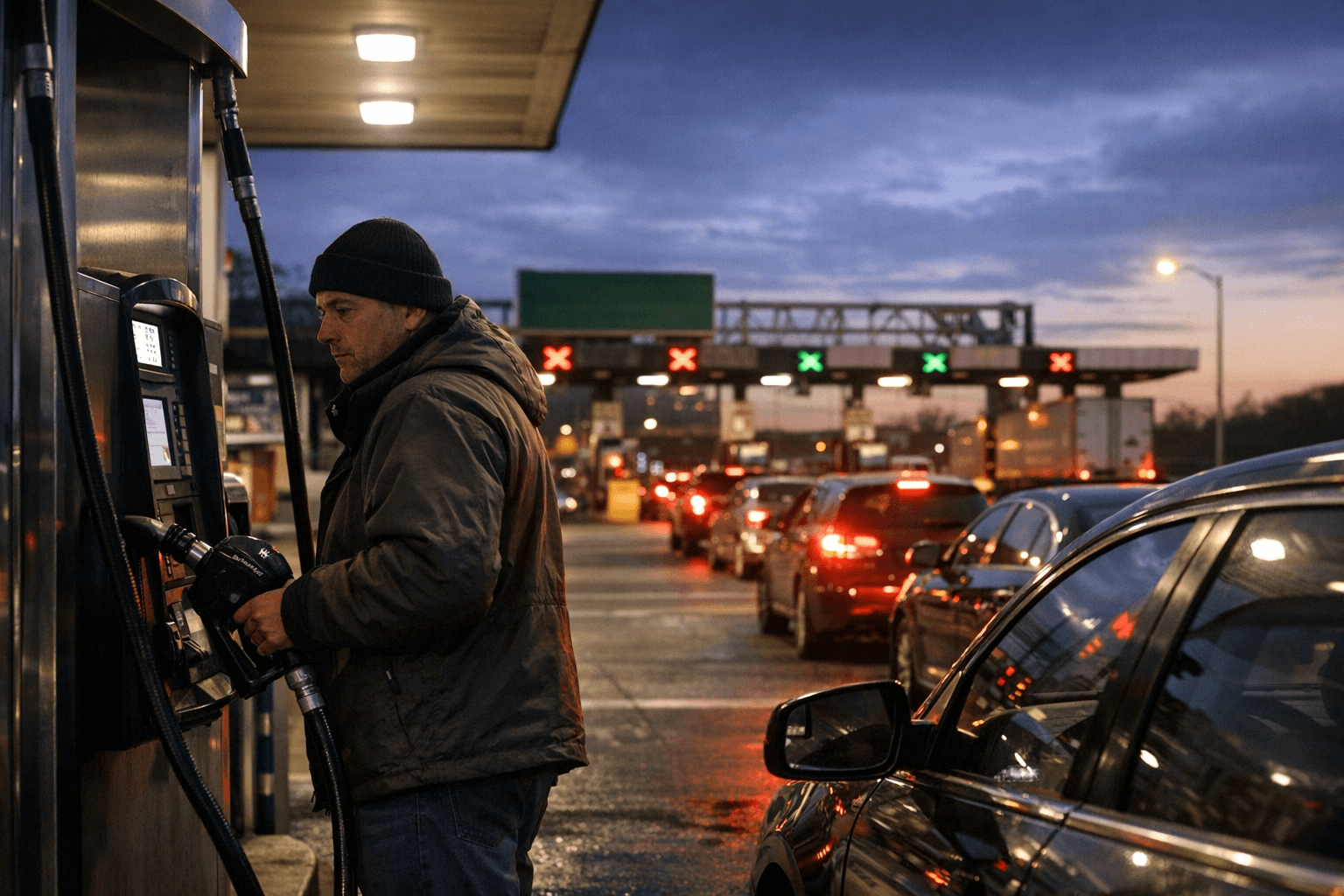
New Jersey raised the Petroleum Products Gross Receipt Tax under the statutory formula tied to the Transportation Trust Fund, and the adjustment took effect Jan. 1, 2026. The measure produced a net 4.2 cent increase that, when combined with the fixed Motor Fuels Tax, set state taxes at 49.1 cents per gallon for gasoline and 56.1 cents per gallon for diesel. Also effective Jan. 1, the regular statewide toll indexing produced roughly a 3 percent rise in toll rates.
The simultaneous fuel tax and toll adjustments mean drivers in Cumberland County faced higher per-gallon costs and slightly larger toll bills beginning this year. Diesel, taxed at the higher combined rate, will particularly affect commercial trucks, farm equipment and local haulers that rely on diesel fuel, with implications for delivery charges, agricultural operating costs and municipal service budgets that use diesel-powered vehicles.
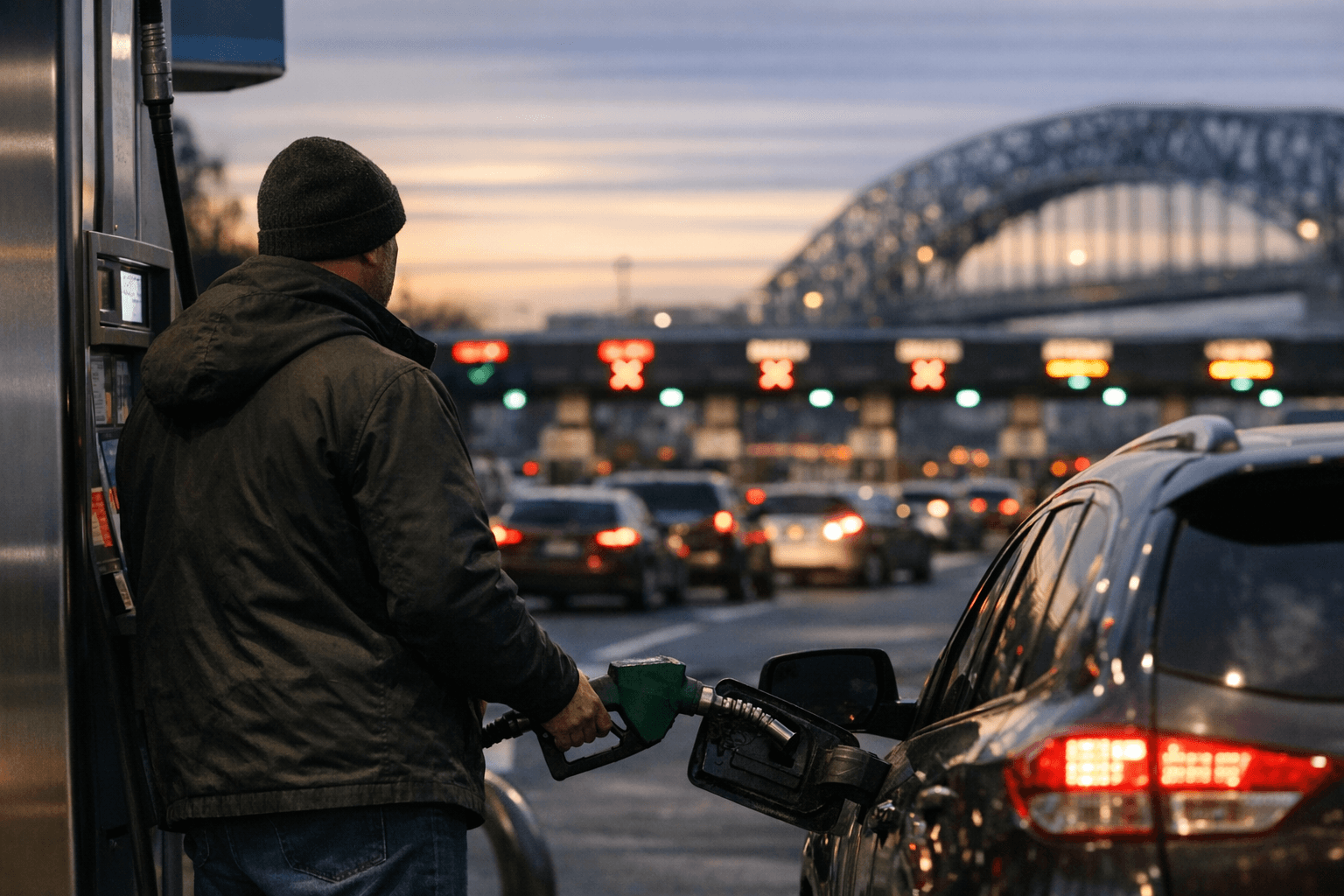
Local commuters who use tolled routes in and out of the county will see incremental increases at toll plazas and on electronic toll accounts. The combined effect of higher fuel taxes and indexed tolls is likely to be felt first at the pump and on monthly commuting expenses, and secondarily through cost pressures passed along by businesses that transport goods into and out of Cumberland County.
The tax adjustment followed the statutory formula designed to link petroleum tax receipts to funding for transportation infrastructure. Policymakers and transportation planners have long used such mechanisms to stabilize revenues for road maintenance and capital projects. For Cumberland County, that linkage means the new revenue stream is intended to support regional roads, bridges and transit investments even as it raises short-term costs for residents and local operators.
Local governments and businesses will need to account for the higher fuel and toll expenses in budgets and contracts. Municipal fleets, school districts and social service providers that depend on vehicle transportation may face modest increases in operating costs. Farmers and freight haulers who rely on diesel should expect higher input costs that could affect pricing and margins.
While the increases are measured rather than large, they underscore the ways state-level budget and infrastructure policies filter down to daily life in Cumberland County. Residents planning travel or managing household and business budgets should factor slightly higher fuel and toll costs into their early-2026 expense planning.
This article was produced by Prism’s automated news system from verified source data, official records, and press releases, then run through automated quality and moderation checks before publishing. The system is built and supervised by the people who set the standards it runs under. Read our full AI policy.
Did this article answer your question?