Potter's Tavern history spotlights Bridgeton roots, supports downtown revival
Cumberland County has posted a local history of Potter's Tavern in Bridgeton on its website, highlighting the tavern's colonial and Revolutionary era role as a gathering place where early patriot minded publications circulated. The account matters to residents because it anchors more than two centuries of civic memory in Bridgeton's historic downtown, informs preservation stewardship that began in 1958 and 1996, and ties heritage assets to local economic and planning decisions.
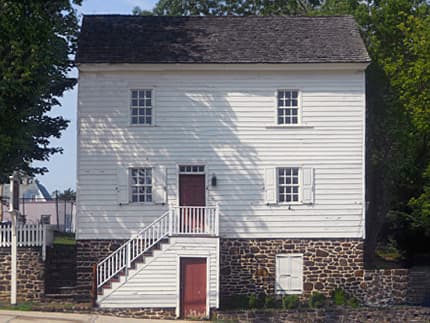
Cumberland County's online history page on Potter's Tavern lays out the building's significance as a civic meeting place in colonial and Revolutionary era Bridgeton. The piece describes how the tavern served as a center for circulation of early patriot minded publications, including the Plain Dealer and handwritten news sheets that advocated for independence. The site notes the tavern's commemorative plaque, its purchase by the City of Bridgeton in 1958, and the transition to county stewardship beginning in 1996.
The narrative places Potter's Tavern within Bridgeton's historic downtown, adjacent to the courthouse, and frames the building as a tangible link to local political and press history. For residents and visitors, the account functions as both a short history and a practical pointer to an asset that shapes the character of the central business district. Physical preservation of such properties carries implications for downtown foot traffic, educational programming for schools, and partnerships between municipal and county agencies responsible for maintenance and interpretation.
From a public finance perspective, the property's stewardship trajectory shows two distinct rounds of government involvement. The city purchase in 1958 preserved the structure at a time when postwar development threatened many older buildings. The county assuming stewardship in 1996 shifted custodial responsibility to a broader jurisdiction, raising questions about long term budgeting for upkeep, interpretive signage, and integration with tourism promotion. Those are municipal budget choices that affect operating costs and potential revenue streams from visitors who come for heritage tourism, courthouse business, and related downtown commerce.
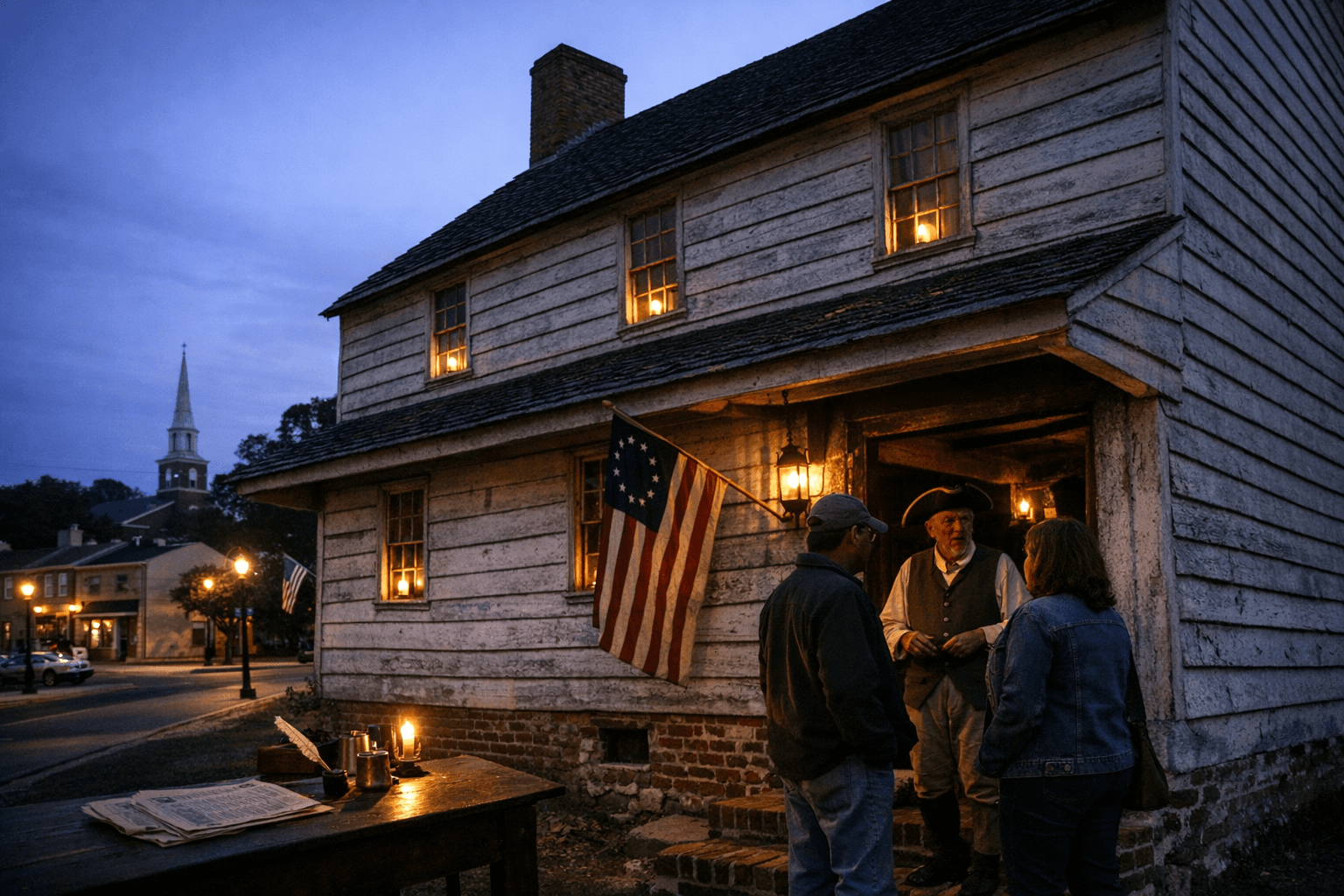
Long term, Potter's Tavern is an example of how small town historic assets can be leveraged for civic identity and economic resilience. Effective stewardship will require continued public investment, potential collaborations with historical societies and local businesses, and clear planning that balances preservation with neighborhood revitalization. The Cumberland County history page provides residents a concise reference to that history, and it underscores the practical decisions that will determine how this Revolutionary era site contributes to Bridgeton's future.
Know something we missed? Have a correction or additional information?
Submit a Tip