Record number of South Jersey students earn associate degrees in high school
A record 367 county vo-tech students earned associate degrees in high school, with Cumberland County schools central to a cheaper path into work and college.
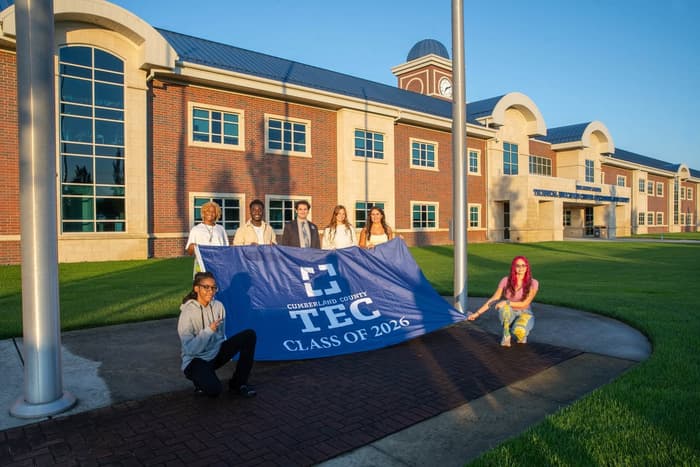
A record 367 students earned associate degrees while still in New Jersey county vocational-technical high schools, and many of them came from South Jersey. For Cumberland County families, the milestone puts Cumberland County Technical Education Center in Vineland at the center of a bigger question: how far career-and-technical education can go in shaving time and tuition off a college path.
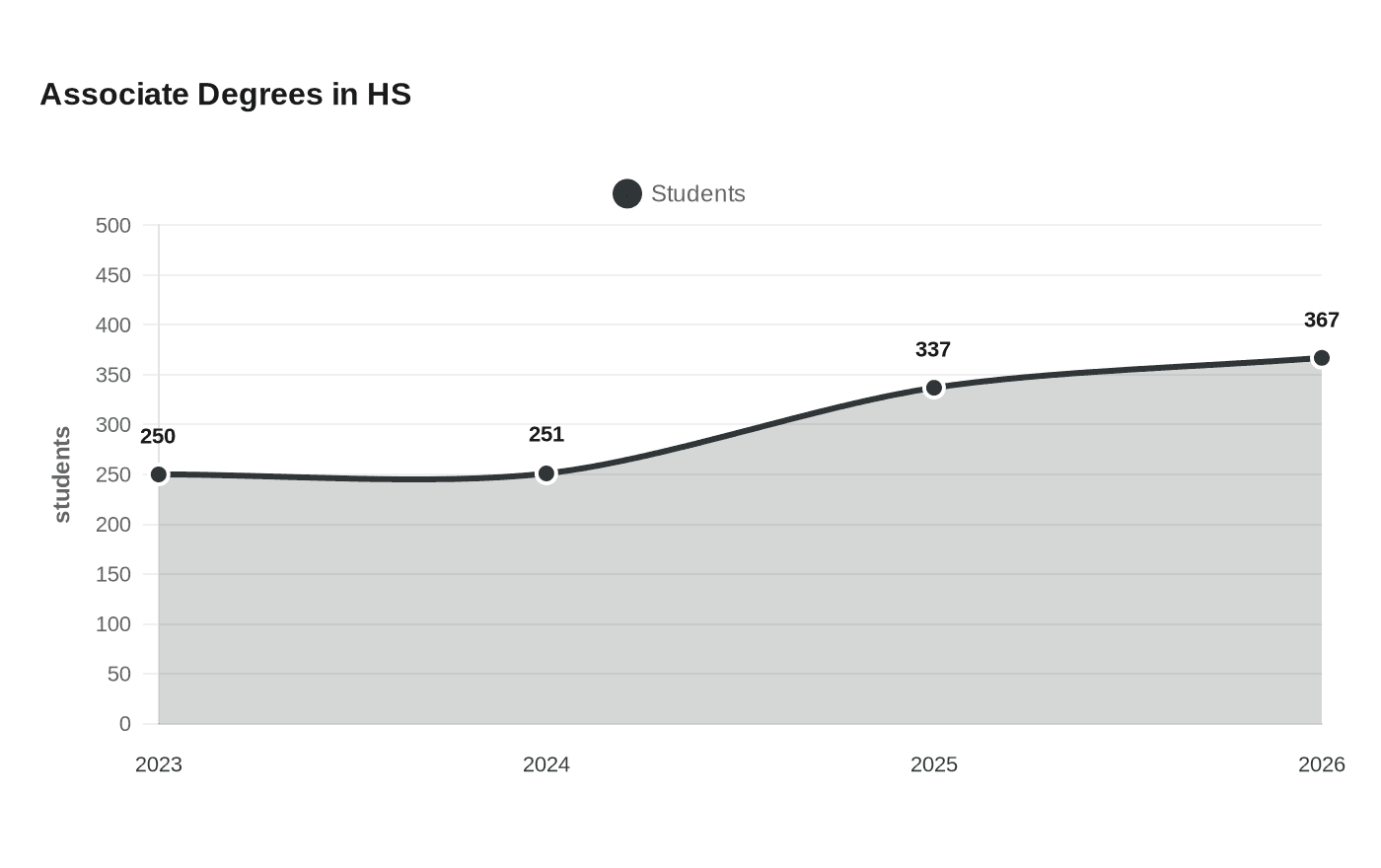
The Class of 2026 total was 30 higher than the previous year’s record, when 337 county vocational-technical students earned associate degrees in high school. The climb has been steady, with 250 students doing it in 2023 and 251 in 2024 before the jump to 337 in 2025 and now 367. In New Jersey’s system, dual enrollment lets students earn high school and college credits at the same time, which means some graduates leave with both a diploma and a college credential in hand.
That combination can matter in a county where every tuition bill gets weighed carefully. A student who finishes high school with an associate degree or a cluster of college credits has fewer credits left to buy at a four-year school, or can move more quickly into an apprenticeship or entry-level job. New Jersey’s county vocational schools also have articulation agreements with county colleges and other two- and four-year colleges, creating a direct line from career-and-technical coursework to postsecondary credit.

Cumberland County Technical Education Center has historically produced the highest number of county vo-tech graduates earning associate degrees while still in high school. Earlier figures showed 66 CCTEC students earning associate degrees in the 2023 cycle, a sign that Vineland remains a key part of the county’s education-and-workforce pipeline. For South Jersey, the growth suggests a broader shift: vocational schools are no longer just training grounds for the job after graduation, but accelerators for college access and technical credentialing.
State education officials say that dual-enrollment students are more likely to graduate from high school, attend college and earn a postsecondary degree. The 2022 Dual Enrollment Study Commission also called for expanding and strengthening those opportunities, especially for low-income students, through stronger state support, wraparound services and a three-year pilot. That policy backdrop gives the latest record more weight than a one-year jump. It points to a longer-term model in which South Jersey students can earn credentials sooner, employers can tap a better-prepared workforce, and families may be able to reduce the cost of a degree.
Jackie Burke, executive director of the New Jersey Council of County Vocational-Technical Schools, said the programs give students a meaningful head start in their college and career journeys.
This article was produced by Prism’s automated news system from verified source data, official records, and press releases, then run through automated quality and moderation checks before publishing. The system is built and supervised by the people who set the standards it runs under. Read our full AI policy.
Did this article answer your question?