Residents Demand Environmental Safeguards as Vineland Debates AI Data Center PILOT
Residents packed Vineland City Council to demand environmental and fiscal safeguards before approving tax breaks or loans for a large AI-focused data center project.

Hundreds of Vineland residents filled City Hall on Jan. 27 to press municipal leaders for stronger environmental and fiscal protections tied to a proposed multi-phase AI-focused data center managed by DataOne/Nebius interests. The meeting, which drew extensive public comment and detailed council discussion, crystallized community concerns about water use, electricity demand, emissions and noise, transparency from developers, and long-term accountability for any tax incentive package (PILOT) or municipal loan.
Speakers at the meeting raised uncertainty about the project’s water and energy demands, the potential for on-site power generation and backup diesel use, and the strain on local infrastructure and schools if tax revenue is reduced. Several residents urged either an independent environmental impact study or outright rejection of tax breaks that could decrease funds for Vineland public schools. The scale of the development and its implications for Cumberland County budgeting and services drove much of the intensity in public comment.
Council members acknowledged the concerns and debated the limits of municipal authority. Elected officials questioned how much the city can require beyond existing zoning and prior approvals on private property while weighing the economic arguments for attracting investment. The council also handled routine budget and personnel items and other local land-use matters during the same session, but the data center debate dominated public attention.
The project’s developers, identified in council materials as DataOne/Nebius interests, are seeking incentive structures that would likely include a PILOT agreement. Residents noted that PILOTs can reduce property tax revenue that funds schools and municipal services, and called for strict contractual safeguards tying any incentives to measurable environmental and fiscal protections. Concerns about backup diesel generation reflect broader worries about local air quality and noise, while questions about grid capacity point to potential strain on South Jersey’s electric system as large computing facilities come online.
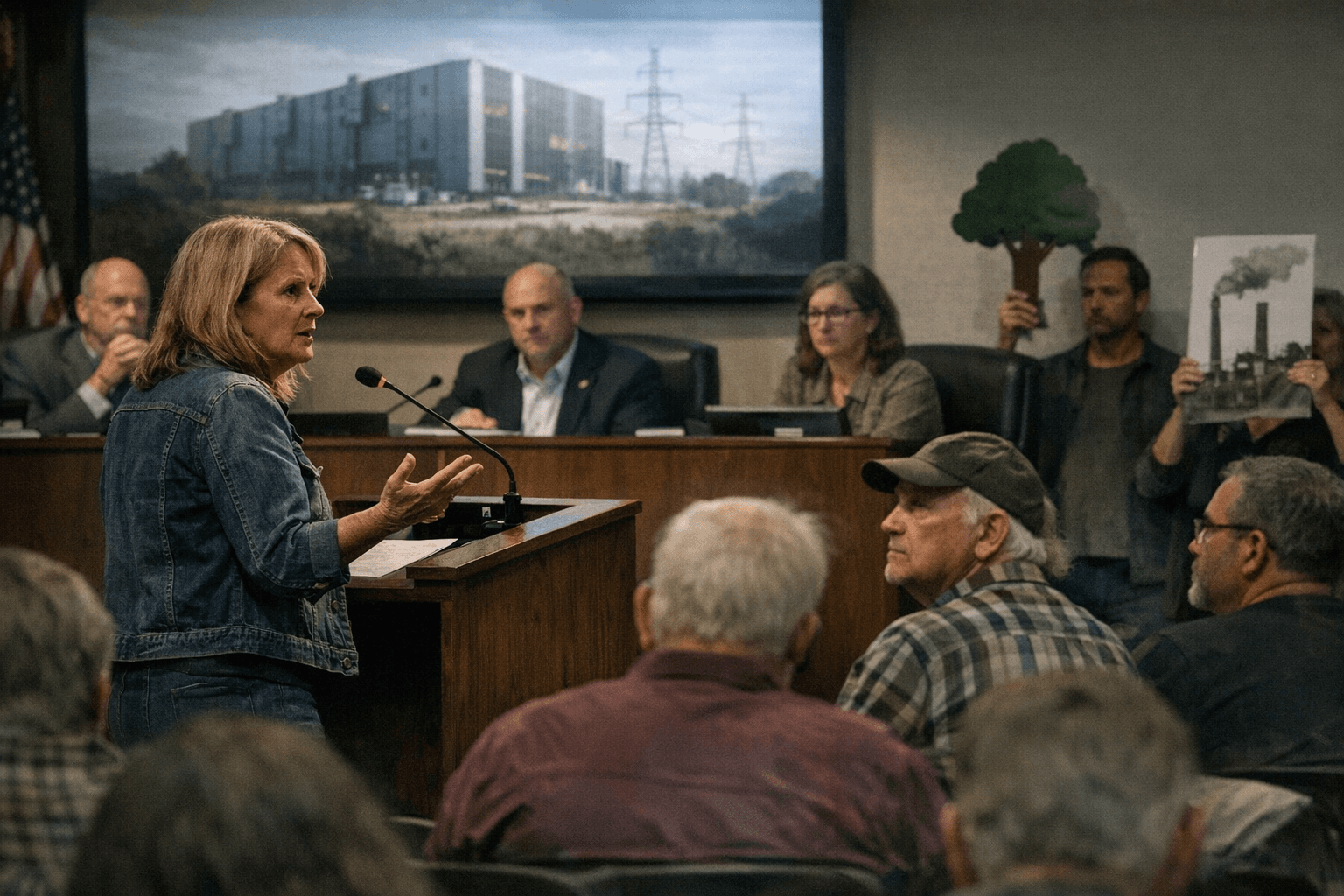
The meeting was recorded and the official video and transcript have been posted; an independent meeting summary and annotated transcript are available from LocalLens for residents and reporters seeking detail on speaker statements and council debate. That public record now places municipal leaders on record responding to specific questions about mitigation, monitoring, and enforcement.
For Vineland voters and taxpayers, the Jan. 27 session clarified the stakes. Council deliberations on PILOT terms, municipal lending, or requirements for environmental review will shape whether the project proceeds with the guardrails residents demanded. The city’s next steps on contract language, possible studies, and any formal vote will determine how Cumberland County balances economic development with protection of water, schools, and local infrastructure.
This article was produced by Prism’s automated news system from verified source data, official records, and press releases, then run through automated quality and moderation checks before publishing. The system is built and supervised by the people who set the standards it runs under. Read our full AI policy.
Did this article answer your question?