Volunteers power Maurice River conservation, earning Ah Why Knot awards
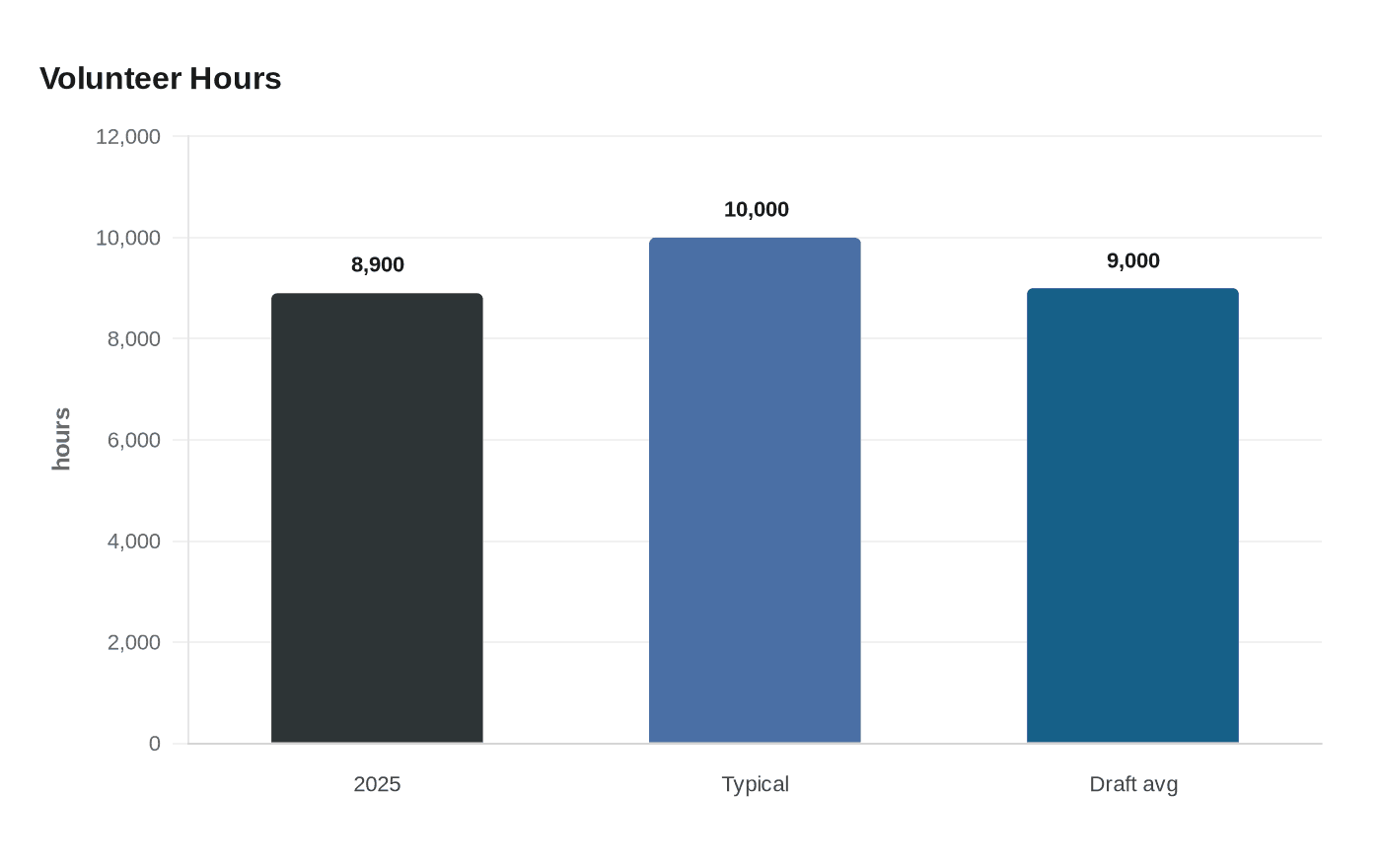
More than 560 volunteers logged 8,900 hours to protect the Maurice River watershed, from Manumuskin restoration to stranded horseshoe crab rescues.
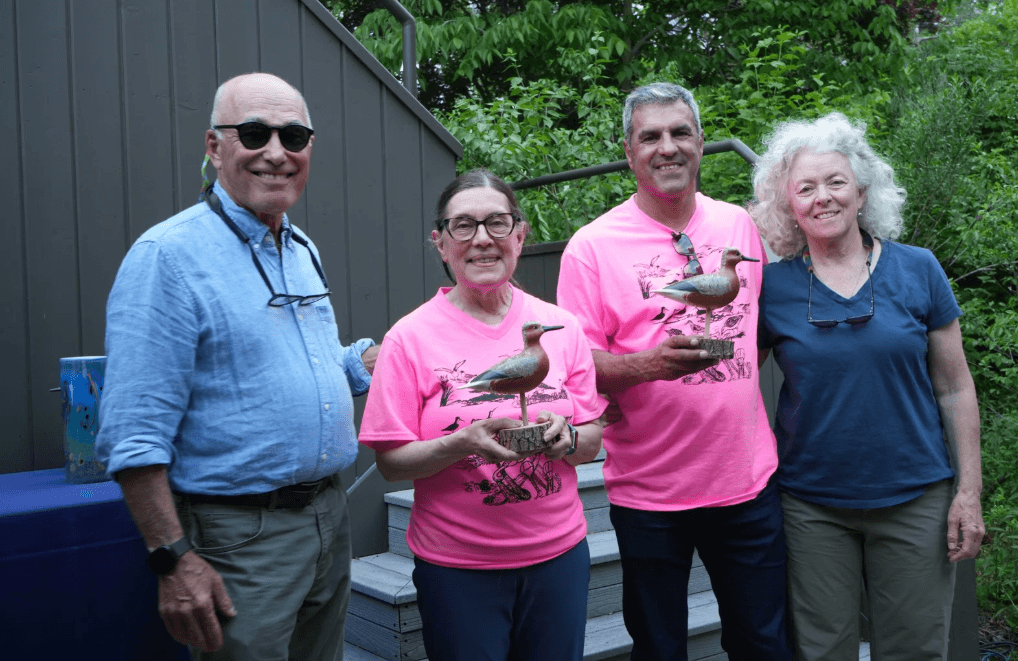
Cumberland County’s Maurice River conservation work proved again that land stewardship here runs on people, not just agencies. More than 560 CU Maurice River volunteers donated 8,900 hours in 2025, a scale of civic labor that keeps the Ah Why Knot awards rooted in daily work on the river, marshes and bayshore rather than in ceremony alone.
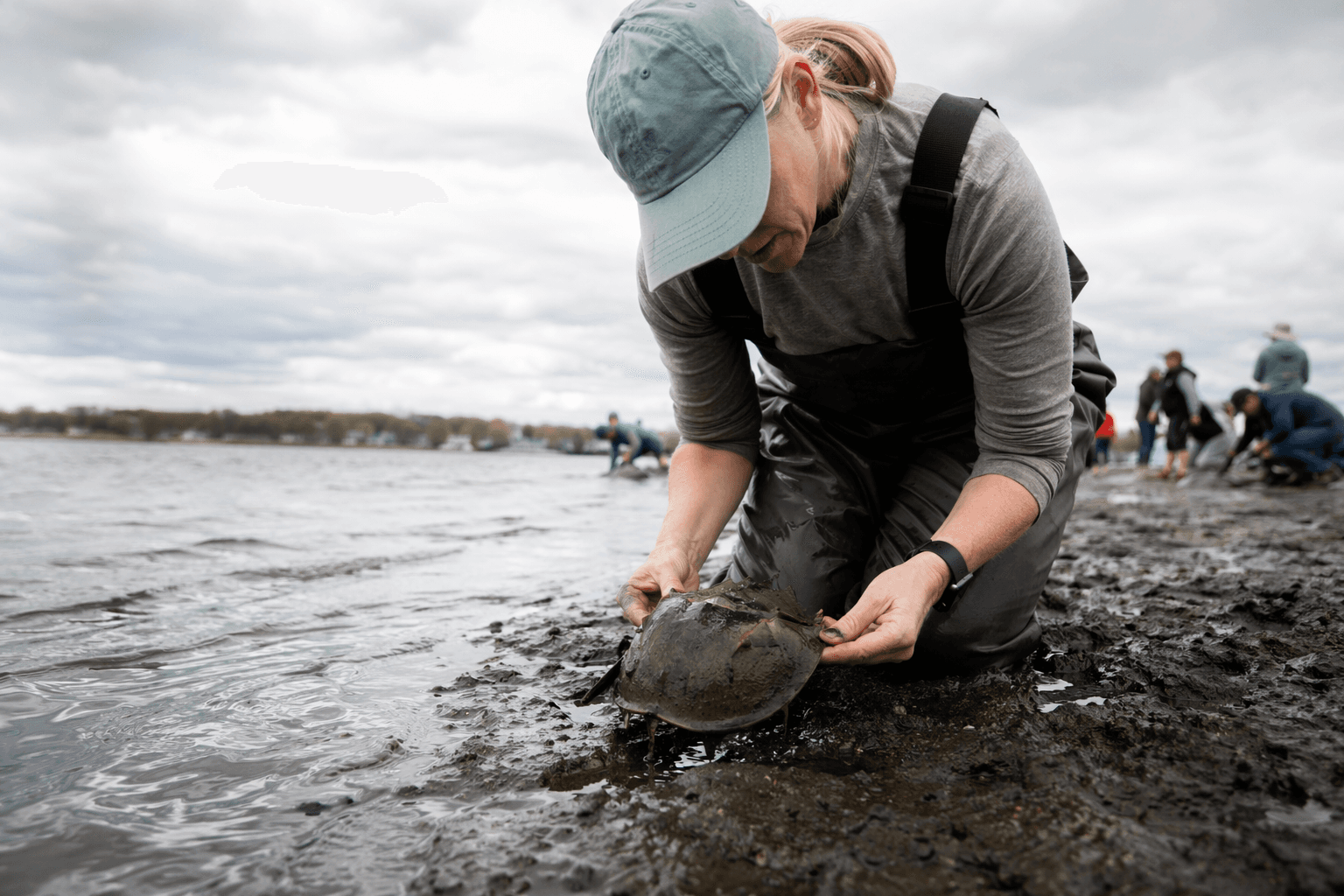
That volunteer network touched nearly every corner of the watershed. Crews restored wetlands on the Manumuskin River, tracked bird populations, pulled invasive species, surveyed threatened and endangered plants, sampled dragonflies to help gauge air and water quality, and monitored fish to see how habitat was responding. Volunteers also cleaned shorelines and returned stranded horseshoe crabs to the bay during spawning season, work that directly affects the health of the Delaware Estuary and the public access residents depend on.
The organization says volunteers and members typically contribute nearly 10,000 hours a year, and a 2025 draft awards article put the average at about 300 volunteers donating 9,000 hours annually. That long-running level of involvement matters in a county where the Maurice River watershed covers roughly 385 to 386 square miles and the river stretches about 50 miles through down-Jersey communities and ecosystems that support farming, wildlife and water quality.
The stakes are substantial. National Park Service materials say 35.4 miles of the Maurice River system were designated Wild and Scenic on Dec. 1, 1993, including the Maurice River and the Manumuskin, Menantico and Muskee tributaries. CU Maurice River, founded in 1979 and incorporated as a nonprofit in 1986, says it played a pivotal role in securing that protection. Federal river-management sources also say the watershed’s marshes support 53% of New Jersey’s listed endangered species, while the Manumuskin River has ranked among the state’s healthiest watersheds under EPA-based assessment criteria.
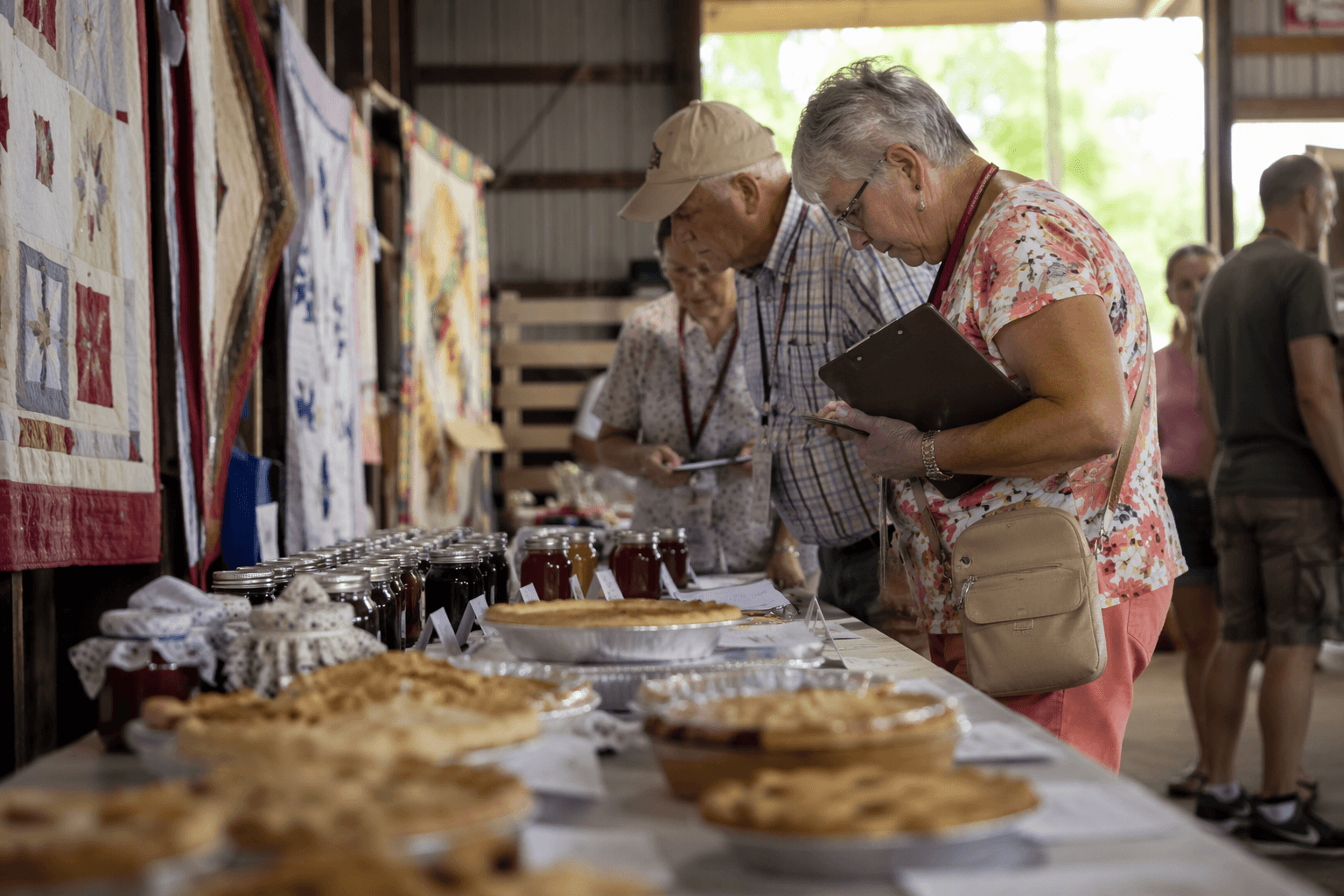
The work behind the awards stretches beyond field science. Volunteers led outdoor programs, joined cultural and historical appreciation activities, and helped with fundraising and outreach, building the public base that keeps conservation moving from one season to the next. The people behind that effort include teachers, instructors, naturalists, outdoor enthusiasts, biologists and conservationists, a mix that reflects how broad the preservation effort has become.
Karla Rossini, who joined CU Maurice River in 2015 as program manager and became executive director in January 2021, has seen that volunteer model from the field to the office. The Ah Why Knot recognition this year underscored the same point the watershed itself has long made: in Cumberland County, conservation survives because neighbors show up, and what they protect is not abstract. It is the water, habitat and public land that shape the county’s future.
This article was produced by Prism’s automated news system from verified source data, official records, and press releases, then run through automated quality and moderation checks before publishing. The system is built and supervised by the people who set the standards it runs under. Read our full AI policy.
Know something we missed? Have a correction or additional information?
Submit a Tip