A Local Guide to Decatur County Riverfront and Outdoor Attractions
Local residents will learn where to boat, fish, hunt, golf, and gather along Decatur County’s riverfront and parks.

This guide lays out the riverfront and outdoor sites that shape everyday life in Decatur County, with practical tips on access, community benefits, and civic considerations you should know before heading out.
1. Tennessee River access points and marinas, Cherokee Marina & Grill and public ramps
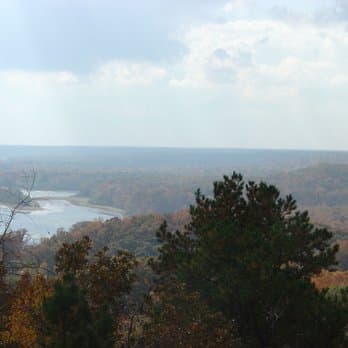
Cherokee Marina & Grill north of Parsons is the county’s primary private marina hub, and several public ramps around Parsons and Bath Springs give you straightforward river access. You can launch powerboats, dock for a meal, or stage a fishing trip; the marina supports small tourism activity and serves as an informal community meeting point on summer evenings. Public ramps are county-managed access points that prioritize recreational boating and angling, check with the county visitor office or local parks departments for seasonal maintenance or temporary closures. Local impact: accessible ramps and a functioning marina keep tourism dollars close to home and make the Tennessee River a shared community asset; maintaining them requires routine investment and coordination between county officials and state agencies.
2. Tennessee River paddling and fishing, Beech River, backwaters, and public ramps
The Beech River and adjacent backwaters are reliable spots for paddling and for bass and catfish fishing, with quiet channels that are ideal for kayaks, canoes, and small boats. Anglers use public boat ramps near Parsons and Bath Springs to reach deeper holes and backwater sloughs; you’ll find both shore and boat fishing opportunities depending on water levels. Safety and stewardship matter: bring life jackets, check local fishing regulations and seasons, and pack out what you bring in to protect habitat and water quality. Community significance: these waterways support recreational livelihoods, family traditions, and local guide services, responsible access preserves angling opportunities and the ecological health residents depend on.
3. Tennessee River Golf Club and local golf events
Tennessee River Golf Club operates as a community recreation hub that accepts bookings for tournaments and outings, hosting local leagues and special events throughout the season. You can book a group, play a casual round, or attend charity tournaments that often tie into school booster efforts and civic fundraisers. The club contributes to quality-of-life amenities that help retain families and attract visitors, but sustained programming depends on volunteer leadership and predictable funding for course upkeep. If you’re organizing an event, coordinate early with the club to secure dates and to ensure the tournament supports broader community goals.
4. Beech River Wildlife Area and state-managed public tracts
Beech River Wildlife Area and other state-managed tracts near Decaturville offer hunting, birdwatching, and seasonal outdoor recreation across diverse habitats of wetlands, timber, and open water. These lands are managed for multiple uses, public hunting seasons are regulated, and birdwatchers benefit from migration corridors that pass through county skies. Check state wildlife agency rules for licenses, permitted activities, and any access restrictions; respect posted signage and habitat restoration projects that rely on public cooperation. Local impact: state tracts expand recreational capacity beyond municipal parks, support conservation outcomes, and require active civic engagement, volunteer habitat projects and careful hunter education help balance use with long-term stewardship.
5. Local parks and community facilities, Parsons, Decaturville, and township amenities
City parks in Parsons and Decaturville host youth sports, seasonal festivals, and everyday gatherings; playgrounds, ballfields, and green spaces are where neighbors meet and civic life unfolds. These facilities often double as emergency assembly points and locations for cultural events, so you’ll see them used by schools, churches, and nonprofit groups throughout the year. Keeping parks vibrant depends on municipal maintenance budgets, volunteer boosters, and clear communication from parks departments about permits and field schedules. • Tip: contact your local parks department before scheduling a league game or community fair to confirm availability and to avoid conflicts with preexisting events.
- Contact points: for hours, seasonal access, and event schedules, contact the county visitor office or local parks departments directly. They manage bookings, ramp maintenance notices, and community event calendars.
- Safety: always use personal flotation devices, check weather and river conditions, and follow state boating and hunting regulations.
- Stewardship and funding: advocate for predictable maintenance funding and volunteer stewardship programs, these keep ramps open, trails passable, and habitats healthy.
- Civic engagement: attend county commission or parks board meetings when access, fees, or maintenance projects are on the agenda; local input shapes how these outdoor assets are managed.
Practical access, safety, and civic considerations
Closing practical wisdom Treat the riverfront and public tracts as shared infrastructure: show up to meetings, volunteer for cleanups, and plan trips with local rules in mind so these places remain open and welcoming. When you book a tournament, reserve a ramp slot, or head into the backwaters, you’re not just recreating, you’re helping sustain the community resources that make Decatur County livable.
This article was produced by Prism’s automated news system from verified source data, official records, and press releases, then run through automated quality and moderation checks before publishing. The system is built and supervised by the people who set the standards it runs under. Read our full AI policy.
Did this article answer your question?