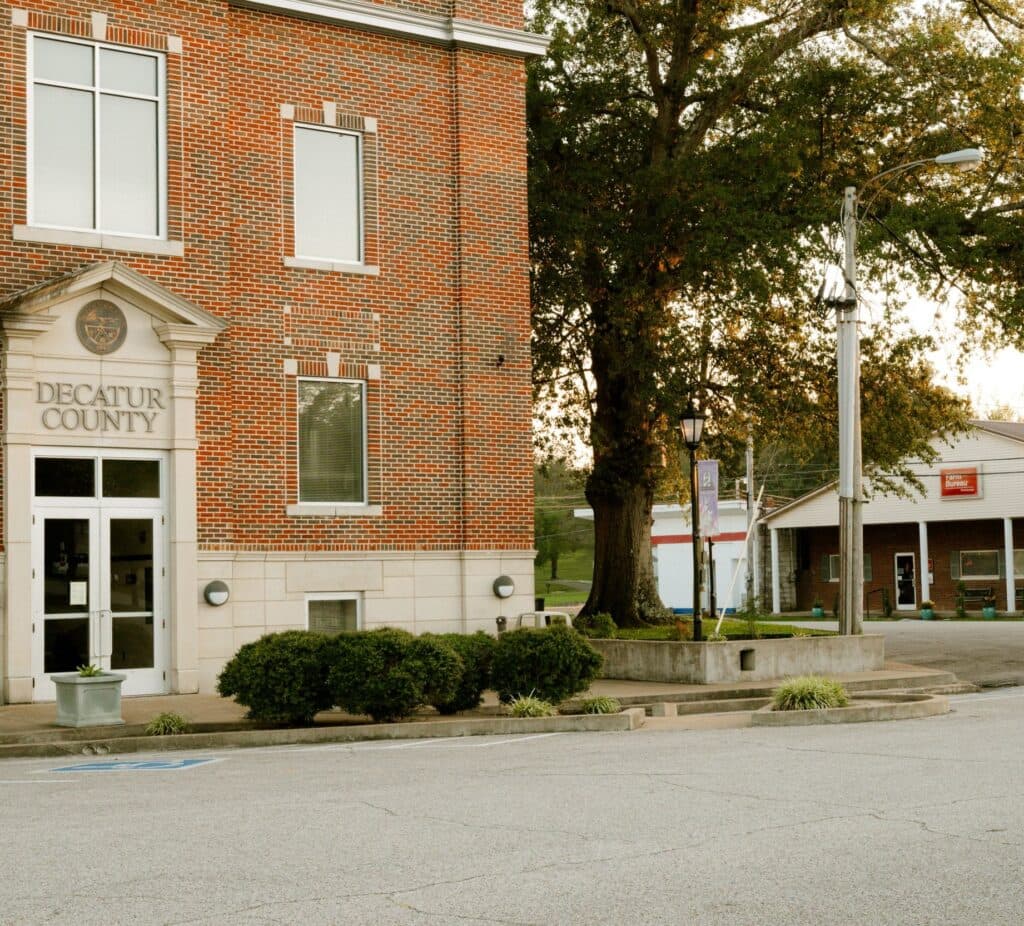
Bath Springs history traces sulphur spring resort and pioneer trade
Bath Springs got its name from sulphur water, a health resort, and a pioneer-era post office. The spring still stands, linking a tiny community to Decatur County’s early trade and settlement history.
Why Bath Springs has that name
Bath Springs earned its name from the spring water that shaped the community’s earliest story. The Decatur County Historical Society says Dr. William Hancock settled there, discovered sulphur water, built a health resort, and gave the place its distinctive name, Bath Springs. That origin matters because it ties the community to a very specific kind of Tennessee place making, where a natural spring could become the center of local identity.
The name is not just a label on a map. It points to a time when water, health, and travel were closely linked, and when a small settlement in the southern hills of eastern Decatur County could draw attention because of what came out of the ground.
The spring-water resort that put Bath Springs on the map
Around 1840, Hancock built a small resort at the sulphur spring, according to Tennessee History for Kids. People came there to drink the water, which was thought to be good for health, a belief that was common across much of Tennessee in that era. The Tennessee State Library and Archives notes that from about 1820 until about 1930, the state had about 70 mineral springs hotels, placing Bath Springs within a much larger regional pattern of spring-based health tourism.
That broader context helps explain why the Bath Springs story still resonates. The resort itself is long gone, but the spring remains in the community, and it still carries the sulfur smell that marks the site’s original appeal. In other words, the place that gave the town its name has not disappeared, even if the building that once drew visitors has.
What still exists today
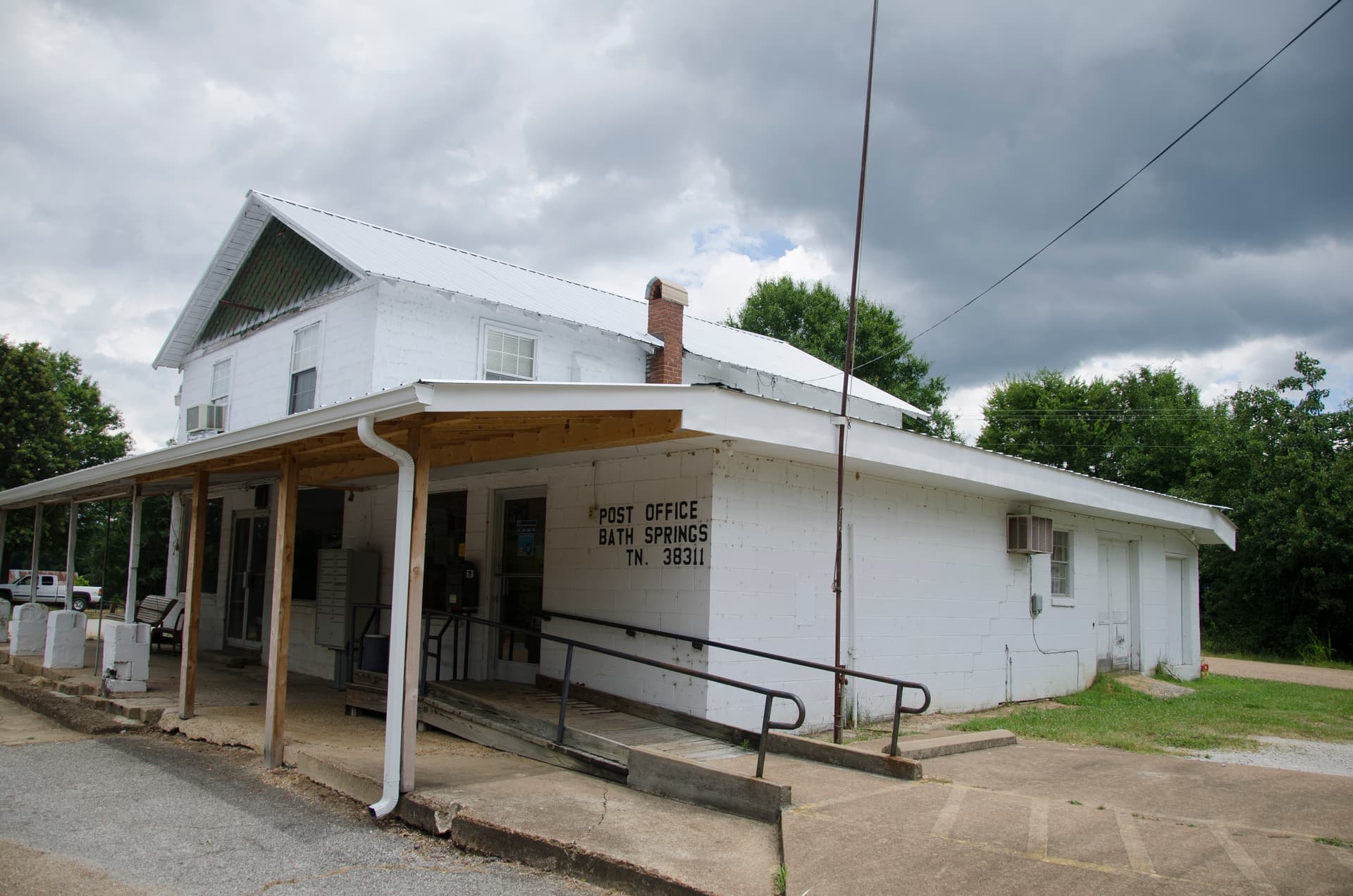
Bath Springs is still recognized as an unincorporated community, and it continues to have a USPS-recognized post office in ZIP code 38311. The listed address is 2744 Highway 114 W, Bath Springs, TN 38311-9998, which gives the community a present-day civic anchor even without the old resort structures.
That matters for residents who still use Bath Springs as a point of reference in daily life. The spring, the post office, and the road network around Tennessee State Route 114 all help keep the place visible in a county where many communities are small and spread out. The name survives not as a museum piece, but as part of an active local geography.
A pioneer post office and early trade
The historical record also shows that Bath Springs was more than a health destination. The Decatur County Historical Society says Hancock’s medical office served as a post office in pioneer days, with letters and packages left there for people in the community. That detail says a lot about how early services worked in rural Tennessee, where a doctor’s office could double as a civic hub.
Bath Springs also had a pre-Civil War tanning factory, according to the historical society. The factory bought bark to make acid for tanning hides, then shipped cattle hides out by river boats, showing that the community was tied not only to healing and settlement but also to industry and river commerce. For a small place in western Tennessee, that mix of functions helped connect local labor to wider trade routes.
How Bath Springs fits into Decatur County
Bath Springs is one of several named communities that make up Decatur County’s local history, alongside places such as Decaturville, Parsons, Scotts Hill, Beacon, Bible Hill, and Sugar Tree. That list is a reminder that county identity here is built from a network of small towns and crossroads, not from a single dominant city. Bath Springs may be smaller and less widely known than Parsons or Decaturville, but it remains part of the county’s shared story.
The county’s population scale also helps frame that story. The U.S. Census Bureau estimated Decatur County’s population at 11,820 on July 1, 2025, which underscores how much local life depends on communities that are modest in size but rich in character. In a county that small, the history of a place like Bath Springs is not a side note; it is part of how the county understands itself.
Why the spring story still matters
Bath Springs stands out because it connects geography, health tourism, and pioneer trade in one place. The sulphur spring explains the name, the resort explains the early draw, the post office explains how the community functioned, and the tanning factory shows that local enterprise reached beyond simple farming or residential growth. Together, those pieces turn Bath Springs into more than a dot on the map.
The community’s surviving spring gives that history a physical presence. Visitors and longtime residents alike can still connect the name Bath Springs to the water that inspired it, and to the practical, everyday life that grew up around it. That is why the story endures: it is a place-name with a visible origin, a local service history, and traces that still shape how Decatur County remembers its past.
This article was produced by Prism’s automated news system from verified source data, official records, and press releases, then run through automated quality and moderation checks before publishing. The system is built and supervised by the people who set the standards it runs under. Read our full AI policy.
Know something we missed? Have a correction or additional information?
Submit a Tip