Carroll Cabin Barrens offers protected riverfront nature in Decatur County
Carroll Cabin Barrens is Decatur County’s rare protected riverfront parcel, with limited access off Pittsburg Landing Road and no designated trails. Its 2002 designation sets it apart from more developed public land.
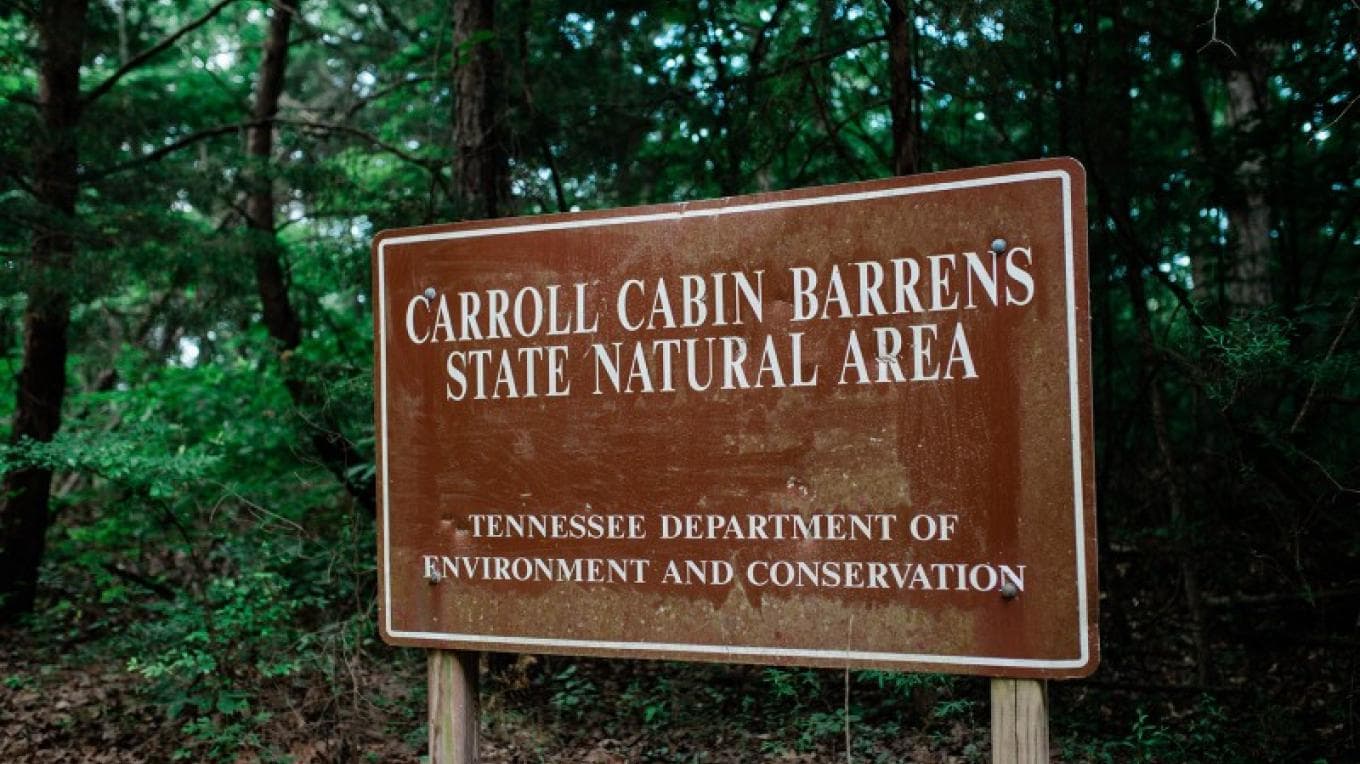
Carroll Cabin Barrens sits near the Tennessee River as a 250-acre State Natural Area in Decatur County, and that is exactly what makes it worth noticing. Visitors do not find a built-up park here; they find a protected landscape with a very specific county identity, shaped by river proximity, small size, and formal state protection.
What makes Carroll Cabin Barrens different
The site is part of the West Tennessee Uplands natural-area region, which places it within a broader system of protected landscapes rather than as an isolated county parcel. That regional setting matters because near-river land often supports unusual plant communities and sensitive habitats, the kind of ground that can be lost quickly if it is not conserved.
Carroll Cabin Barrens was designated in 2002, a relatively recent addition to Tennessee’s conservation system. The Tennessee Code identifies it as an area of approximately 250 acres in Decatur County, so it is small enough to remain distinct, but large enough to preserve a meaningful slice of the county’s river-adjacent geography.
What you can actually see and do there
The most practical detail for a visit is the access setup. The Tennessee Department of Environment & Conservation listing indicates limited public access, with a small parking area off Pittsburg Landing Road and no designated trails on the property.
That means this is not the kind of site where families arrive expecting picnic shelters, marked loops, or a day-long trail system. The experience is quieter and more restrained: a stop to see protected land near the Tennessee River, not a full recreation complex. In that way, Carroll Cabin Barrens is closer to a conservation site than a conventional county park.
Because there are no designated trails, the main things residents should notice are the setting and the contrast. The land is preserved precisely so it does not become heavily developed, and that restraint is part of the point. For hikers, longtime locals, or visitors trying to understand the county beyond its main roads, the site signals that Decatur County’s outdoor character includes protected natural ground, not only places built for gatherings and play.
Why the protection matters locally
Tennessee’s current system of natural areas traces back to the Natural Areas Preservation Act, signed on May 4, 1971, by Gov. Winfield Dunn. Tennessee marked the law’s 50th anniversary in 2021, which places Carroll Cabin Barrens inside a long-running state conservation framework rather than a one-off local designation.
That history matters in Decatur County because it explains why a place like Carroll Cabin Barrens exists in protected form at all. The state created a legal structure to safeguard land with distinctive ecological value, and this parcel, designated in 2002, shows how that framework reached into a river-border county with land worth preserving. The result is a protected area that keeps a specific stretch of Decatur County intact for habitat, scenery, and limited public access.
How it fits Decatur County’s identity
Decatur County tourism materials call the county “The Home of the Tennessee River,” and that is not just a slogan. The river forms the eastern and southern borders of the county, which makes river-facing land a central part of how the county sees itself and how visitors experience it.
Carroll Cabin Barrens fits that identity in a more preserved form than many other outdoor stops. County tourism materials also highlight Brownsport Furnace as a public park with interpretive history, picnic areas, and trail rides, which shows how local public land serves different purposes across the county. Brownsport Furnace is built for activity and interpretation; Carroll Cabin Barrens is built for protection.
That contrast is useful for residents and visitors alike. One site invites lingering, gathering, and organized recreation; the other preserves a river-near landscape in a lightly developed state. Both belong to Decatur County, but they meet different needs and tell different parts of the county story.
What to notice before you go
A visit works best when expectations are set correctly. Carroll Cabin Barrens is a protected natural area near the Tennessee River, reached by a small parking area off Pittsburg Landing Road, with no designated trails. It is not a place to plan around amenities, and it is not meant to function like the county’s more developed parks.
What stands out is the land itself, along with the fact that it has been held in reserve by the state since 2002. In a county defined in part by the Tennessee River, that kind of protection preserves a very specific local asset: a river-adjacent natural area that remains recognizably different from the rest of the county’s public land.
This article was produced by Prism’s automated news system from verified source data, official records, and press releases, then run through automated quality and moderation checks before publishing. The system is built and supervised by the people who set the standards it runs under. Read our full AI policy.
Did this article answer your question?