Decatur County Chamber spotlights river identity, recreation, business growth
The Tennessee River is Decatur County’s brand, but the real test is whether that identity is driving jobs, weekend spending, and measurable growth.
River first, but not river only
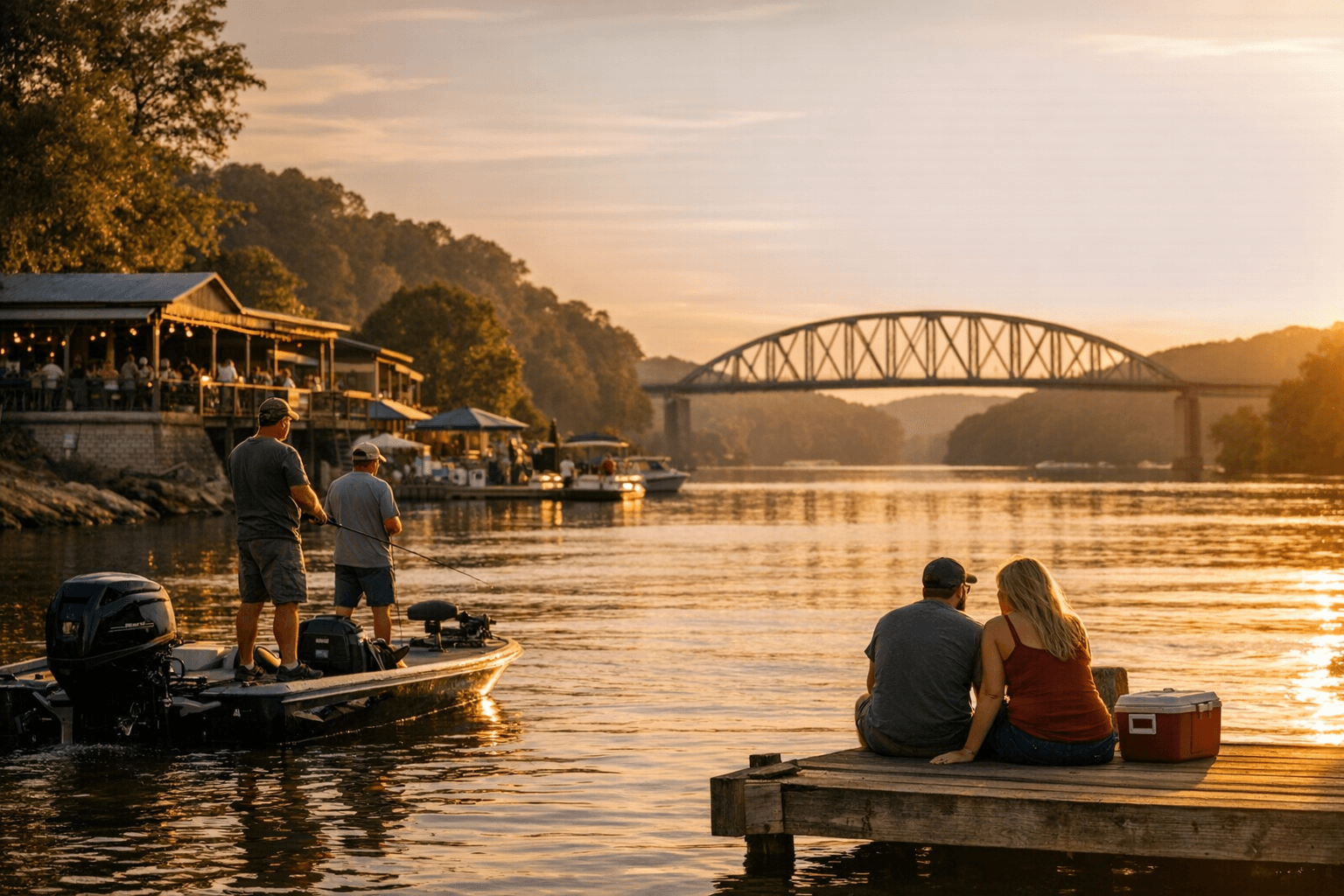
The Tennessee River is not a scenic backdrop in Decatur County, it is the county’s economic pitch. The Chamber of Commerce calls Decatur County the “Heart of the Tennessee River,” says the river forms the county’s eastern and southern borders, and leans into the idea that people around the state know it as “The Home of the Tennessee River.”
That branding matters because the chamber’s mission is not just promotional. Established on October 27, 1989, it says it exists to support, promote, and attract business for the advancement of the community, including business and industry, tourism, and retirement living. In a county of 11,435 people, those messages shape how outsiders see the place, and whether they see a weekend destination, a relocation option, or a place to start something new.
How the water turns into spending
Decatur County’s river story is built on more than a slogan. The chamber says the Tennessee River supports fishing, boating, swimming, water skiing, jet skiing, and camping, and that the county has five marinas and more than 50 miles of shoreline with river access. Those are the kinds of assets that can turn a quiet county into a stopover for boaters, anglers, campers, and families looking for a weekend on the water.
That matters to everyday commerce because recreation rarely stays confined to the water. Marina fuel docks, bait counters, boat ramps, convenience stores, groceries, restaurants, and repair services all benefit when visitors come for a day or a weekend. In a county with a modest employer base, that kind of visitor traffic can be the difference between a slow stretch and a busy one.
The small-market numbers tell the real story
The county’s population was 11,435 in the 2020 census, while Decaturville, the county seat, had 807 residents. The Census Bureau also lists Decatur County’s land area at 333.9 square miles, median household income at $45,375, and 228 employer establishments in 2023. Those numbers describe a small rural market, not a large diversified metro economy.
That scale is important when judging the chamber’s river strategy. In a bigger county, tourism can be one piece of the economy; in Decatur County, it can punch above its weight because the local business base is limited. The county’s branding does not guarantee growth, but it does help explain why a few marinas, a festival weekend, or a major tournament can matter more here than they would in a larger place.
Public land gives the river economy more room to grow
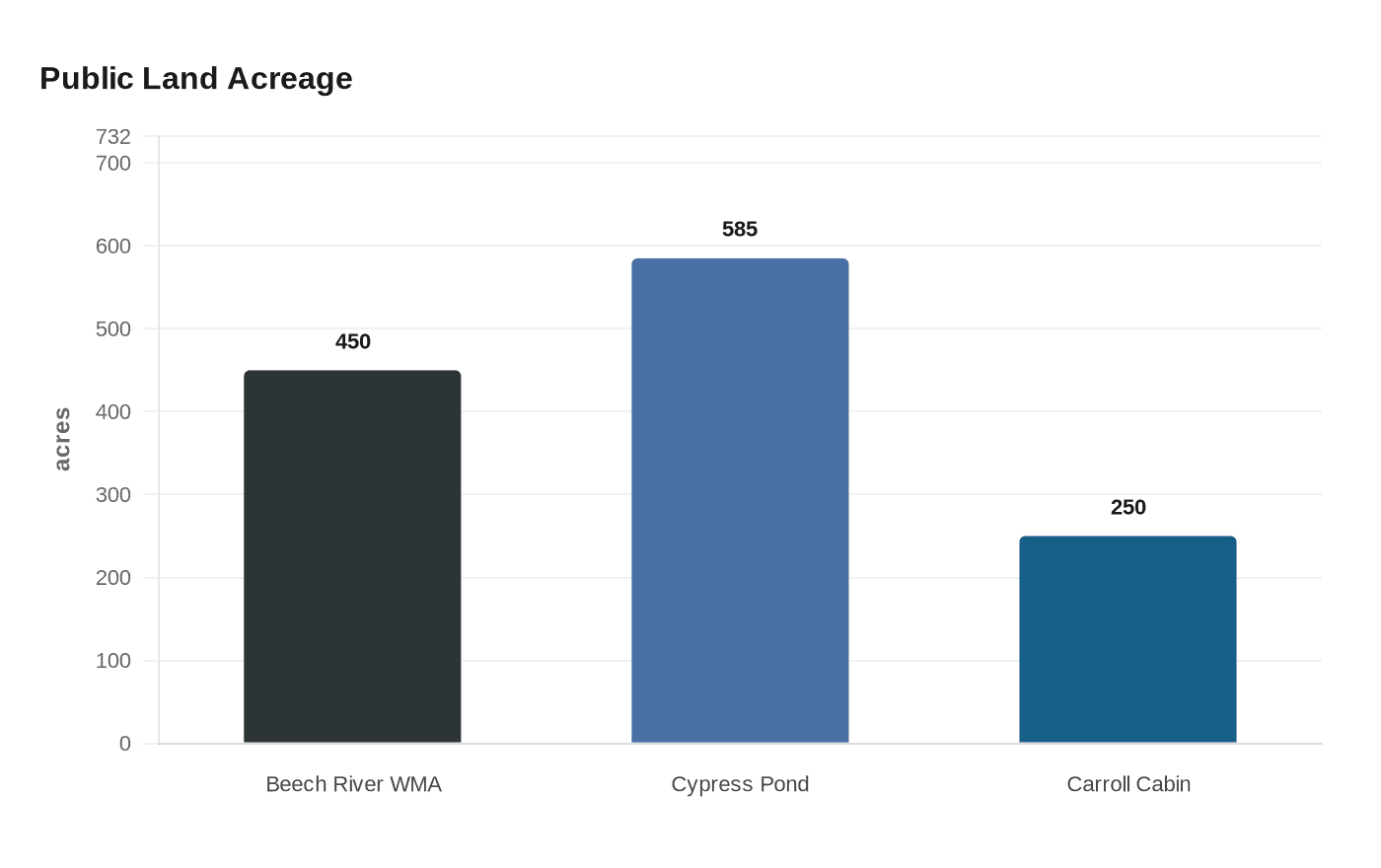
The recreation economy is not limited to the shoreline. The Tennessee Wildlife Resources Agency says Beech River WMA in Henderson and Decatur counties covers about 450 acres south of Darden, with bottomland hardwoods, marsh wetlands, and parts of the Beech River. Cypress Pond Refuge in Decatur County sits on the Tennessee River and covers about 585 acres, with upland hardwoods, agricultural fields, and wetlands.
The Tennessee Department of Environment and Conservation adds another piece with Carroll Cabin Barrens, a 250-acre natural area near the Tennessee River that was designated in 2002 after a donation from Weyerhaeuser Company. TDEC describes it as Silurian-aged limestone glades and barrens. Together, these public lands extend the county’s outdoor identity beyond the riverbank and give the area more reasons to attract hunters, wildlife viewers, paddlers, and day-trippers.
History explains why the river still defines the county
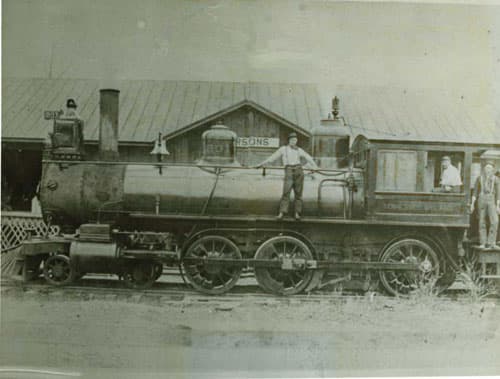
Decatur County’s current branding has deep roots. The chamber says the area was once known for bustling river trade and the Peavine Railroad, and that population growth followed the 1818 purchase of the land from the Chickasaw by Andrew Jackson and John Overton. The county was formed in 1846, and the chamber says the first commissioners purchased land for Decaturville from John McMillian and Burrell Rushing.
That history is more than a timeline. It shows that transport routes, water access, and settlement patterns have long shaped where people lived and how goods moved. The river helped define the county’s borders, and it also helped define its economy, first through trade and now through recreation, tourism, and small-town business activity.
Events are where branding becomes receipts
The clearest proof that the chamber’s river identity is meant to produce activity is the event calendar. Among the recurring draws are the Decatur County River Resort District Bass Tournament, the Carl Perkins Bass Classic, and the Decaturville Main Street Festival. Those events put anglers, families, vendors, and visitors in the same place, which is exactly how a rural county turns branding into weekend sales.
The biggest example is the World’s Largest Coon Hunt. The chamber says it began in 1976 and has raised more than $2.3 million for St. Jude Children’s Research Hospital over 25 years. That figure is the kind of statistic that cuts through chamber language: it shows a local event with real staying power, real charitable impact, and a direct link between community identity and outside attention.
What the river brand can and cannot prove
The available numbers do not show a county transformed by tourism, but they do show why river branding remains central. With 228 employer establishments, a median household income of $45,375, and a population just over 11,000, Decatur County is operating at a scale where every visitor dollar can matter. The chamber’s strategy is to keep the Tennessee River at the center of that equation and use recreation, heritage, and events to make the county more than a place on the map.
That is the real economic reality check. Decatur County’s river identity is strong, its assets are real, and its event calendar gives visitors reasons to spend. The question for the next phase is not whether the county can describe itself as river country, but whether it can keep turning that identity into durable business growth for the people who live and work there.
This article was produced by Prism’s automated news system from verified source data, official records, and press releases, then run through automated quality and moderation checks before publishing. The system is built and supervised by the people who set the standards it runs under. Read our full AI policy.
Know something we missed? Have a correction or additional information?
Submit a Tip