Decatur County logs eight FEMA disaster declarations since 2021
Eight FEMA declarations since 2021 expose a county that scores very low on long-term risk but still keeps getting hit by severe weather.
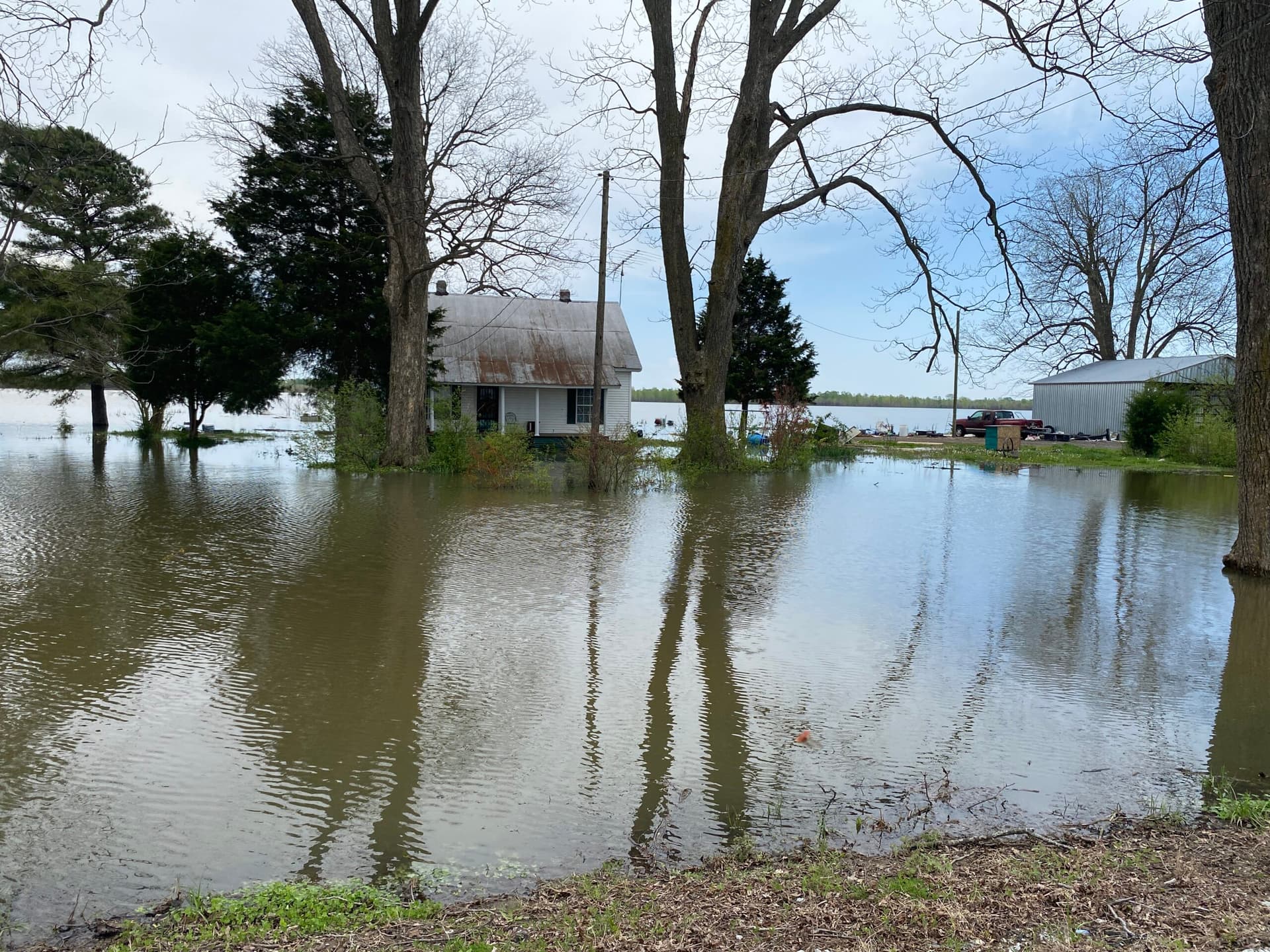
Eight FEMA disaster declarations in five years put Decatur County in a difficult spot: the county’s long-range risk rating is very low, but storms keep driving federal response. For 11,435 people spread across 333.9 square miles, that means the next heavy storm can still become a roads, homes and utilities problem fast.
The recent record is heavy on severe weather. FEMA lists Tennessee’s major disaster declaration on May 8, 2021 for severe storms, straight-line winds, tornadoes and flooding tied to an incident period from March 25 through April 3, 2021. FEMA approved another Tennessee major disaster declaration on June 19, 2025 for severe storms, straight-line winds, tornadoes and flooding after the April 2 to April 24, 2025 event. The federal government also issued an emergency declaration on February 6, 2026 for a severe winter storm that began on January 22, 2026.
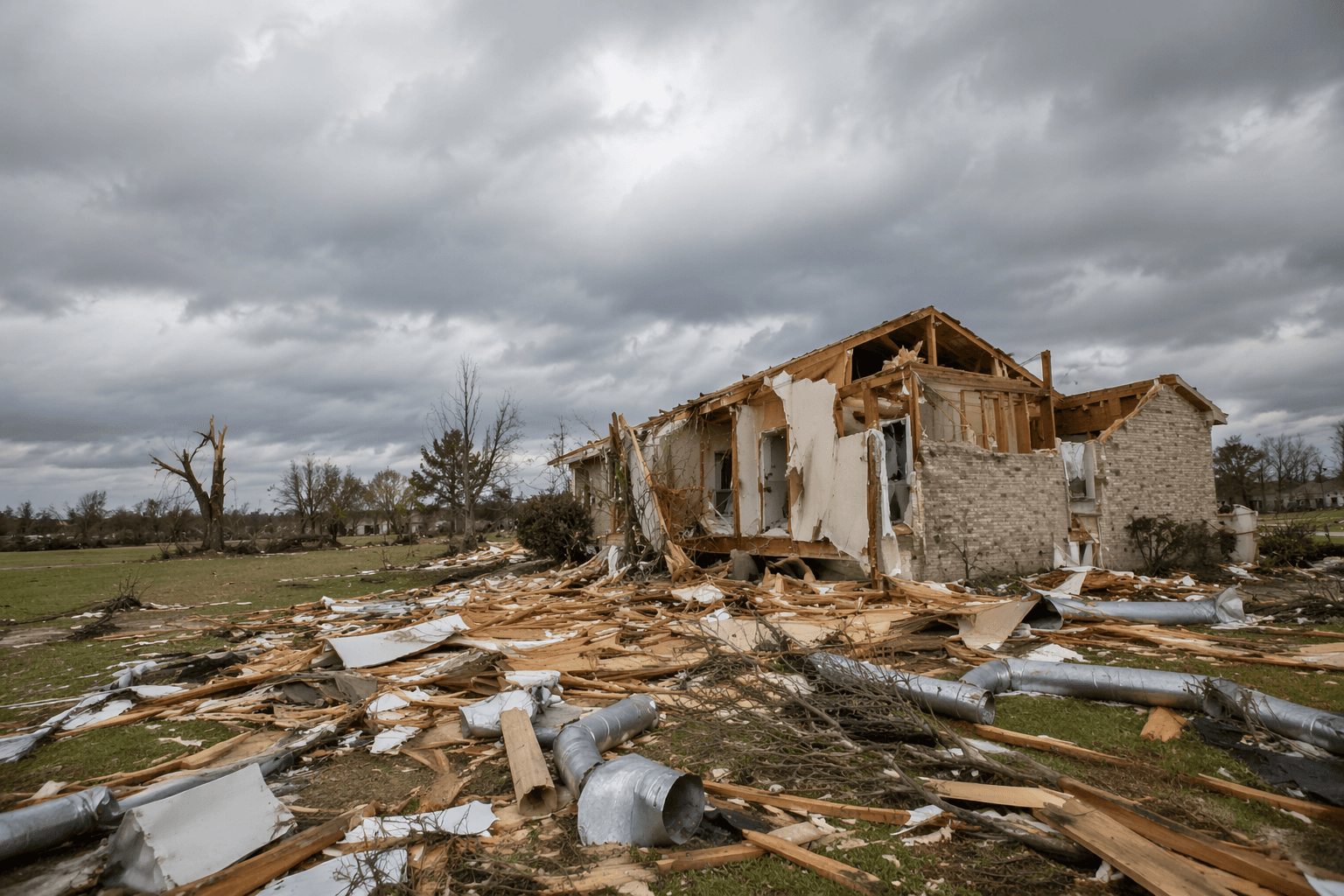
That pattern matters because FEMA’s National Risk Index is not just a storm tally. The tool weighs expected annual losses, social vulnerability and community resilience across 18 natural hazards, and Decatur County’s rating is very low even as its declaration count ranks higher than most counties tracked in the database. The contrast suggests a county that is not labeled a national hotspot, yet still gets hit often enough that cleanup, repair and recovery have become recurring local obligations.
On the county side, emergency management is built around coordination more than big infrastructure. Decatur County says its system supports central dispatch for the sheriff’s office, city police, EMS, rescue squad, nine fire stations, Forestry, the Tennessee Highway Patrol and wrecker service. The county also directs residents to CodeRED alerts and to National Weather Service Memphis, the Tennessee Emergency Management Agency and FEMA resources, showing that warning and notification are central parts of the preparedness plan.
Those systems matter because Decatur County is small, rural and scattered. Mayor Mike Creasy has said agriculture remains a major industry, so storms can damage more than houses and roads, including fields, livestock and rural access routes. Decaturville, the county seat, and Parsons, which grew around railroad tracks in the late 19th century, anchor a landscape where a blocked road or downed line can isolate entire pockets of the county.
The public record points to a simple readiness test for the next severe storm: how quickly Decatur County can warn residents, route dispatch calls, clear debris, and restore access with a small network of local agencies. In a county this size, the difference between a rough storm and a costly disaster may come down to those first hours.
This article was produced by Prism’s automated news system from verified source data, official records, and press releases, then run through automated quality and moderation checks before publishing. The system is built and supervised by the people who set the standards it runs under. Read our full AI policy.
Did this article answer your question?