Decatur County Resource Guide Maps River Recreation and Heritage Assets
A new county recreation and community resources guide catalogues Decatur County's outdoor, cultural, and civic assets, emphasizing Tennessee River access, parks, historic sites, and year round visitor services. The guide highlights how volunteer organizations and local institutions support tourism and weekend activity, and it frames policy choices that will shape maintenance, safety, and economic returns for residents.
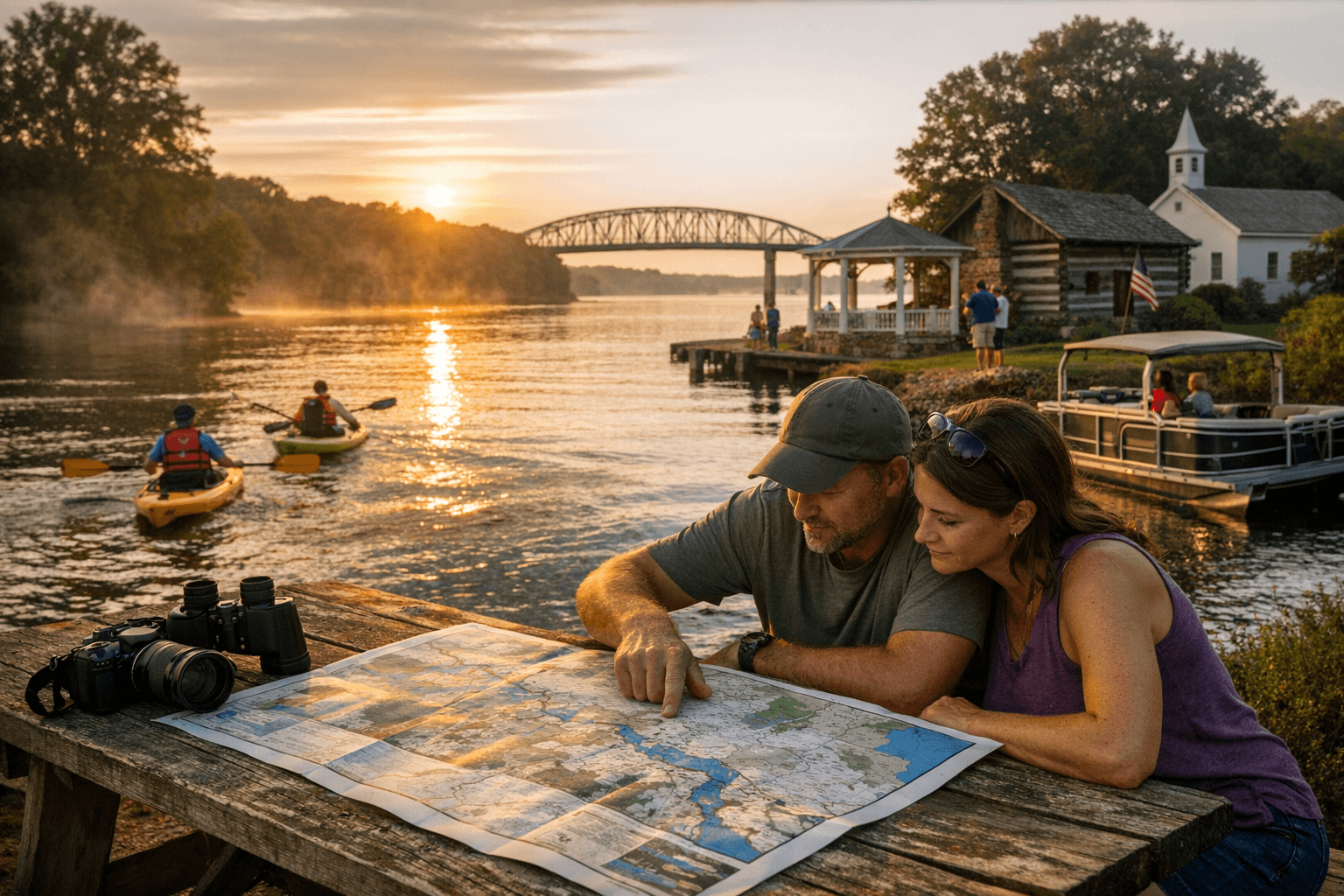
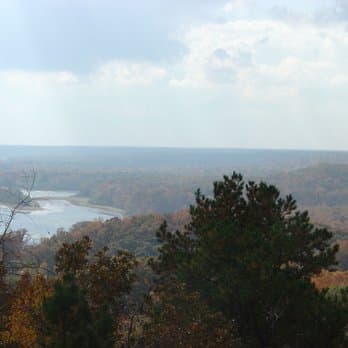
Decatur County has compiled a comprehensive overview of its recreational and community resources that underscores both natural attractions and the institutional network that sustains them. The guide details Tennessee River access points, county parks, and riverfront neighborhoods including Bath Springs and areas near Carroll Cabin Barrens, noting abundant opportunities for year round boating, fishing, and hiking that contribute to weekend traffic and tourism.
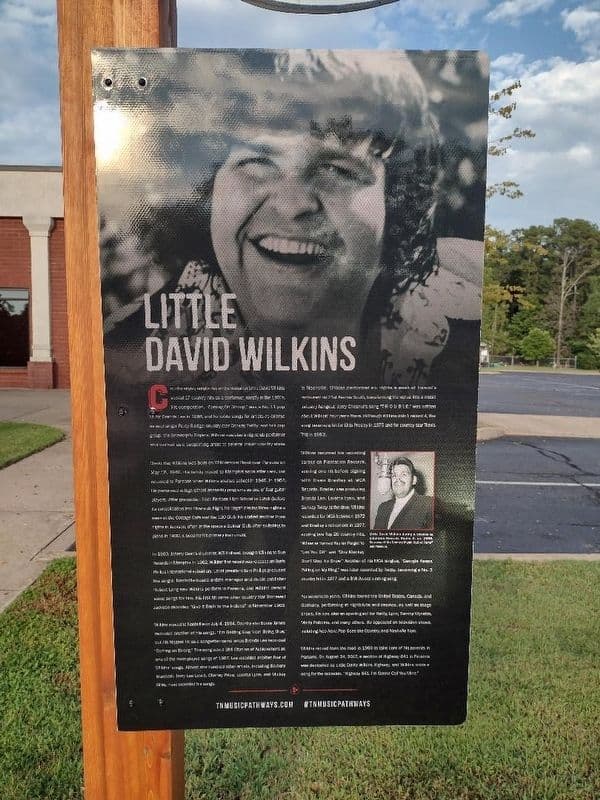
Cultural and historic assets receive prominent treatment. Local arts groups such as the Rivertime Players and Parsons area arts organizations are listed alongside the Parsons Museum and downtown historical displays. Several historic homes and sites in Decaturville are identified as visitor draws that help preserve local heritage and anchor downtown activity.
The guide also lays out the civic infrastructure that supports events and logistics. The county courthouse and mayor’s office are central to permitting and coordination, volunteer fire departments provide emergency response across rural stretches, and the Chamber of Commerce and local nonprofits help run festivals, volunteer drives, and community programs. Practical visitor details include descriptions of park facilities, river access points, seasonal recommendations for river recreation, and notes on dining and lodging options that serve tourists exploring outdoor and heritage attractions.
For residents and local officials the guide clarifies where investment and oversight matter most. Maintaining boat ramps, parking, restrooms, signage, and ADA access has direct implications for public safety and visitor satisfaction, while emergency response capacity and search and rescue readiness depend on sustained support for volunteer fire departments. Economic benefits from increased visitation will depend on coordinated marketing, infrastructure upkeep, and partnerships between county government and nonprofit organizers.
Policy choices made at the county courthouse and in mayoral budget decisions will determine how these assets are preserved and leveraged. Voter preferences in local elections and participation in budget hearings will shape funding for parks, historic preservation, and event support. The guide frames these issues for Decatur County residents by connecting everyday recreational use to broader governance decisions about maintenance, safety, and the local economy.
This article was produced by Prism’s automated news system from verified source data, official records, and press releases, then run through automated quality and moderation checks before publishing. The system is built and supervised by the people who set the standards it runs under. Read our full AI policy.
Did this article answer your question?