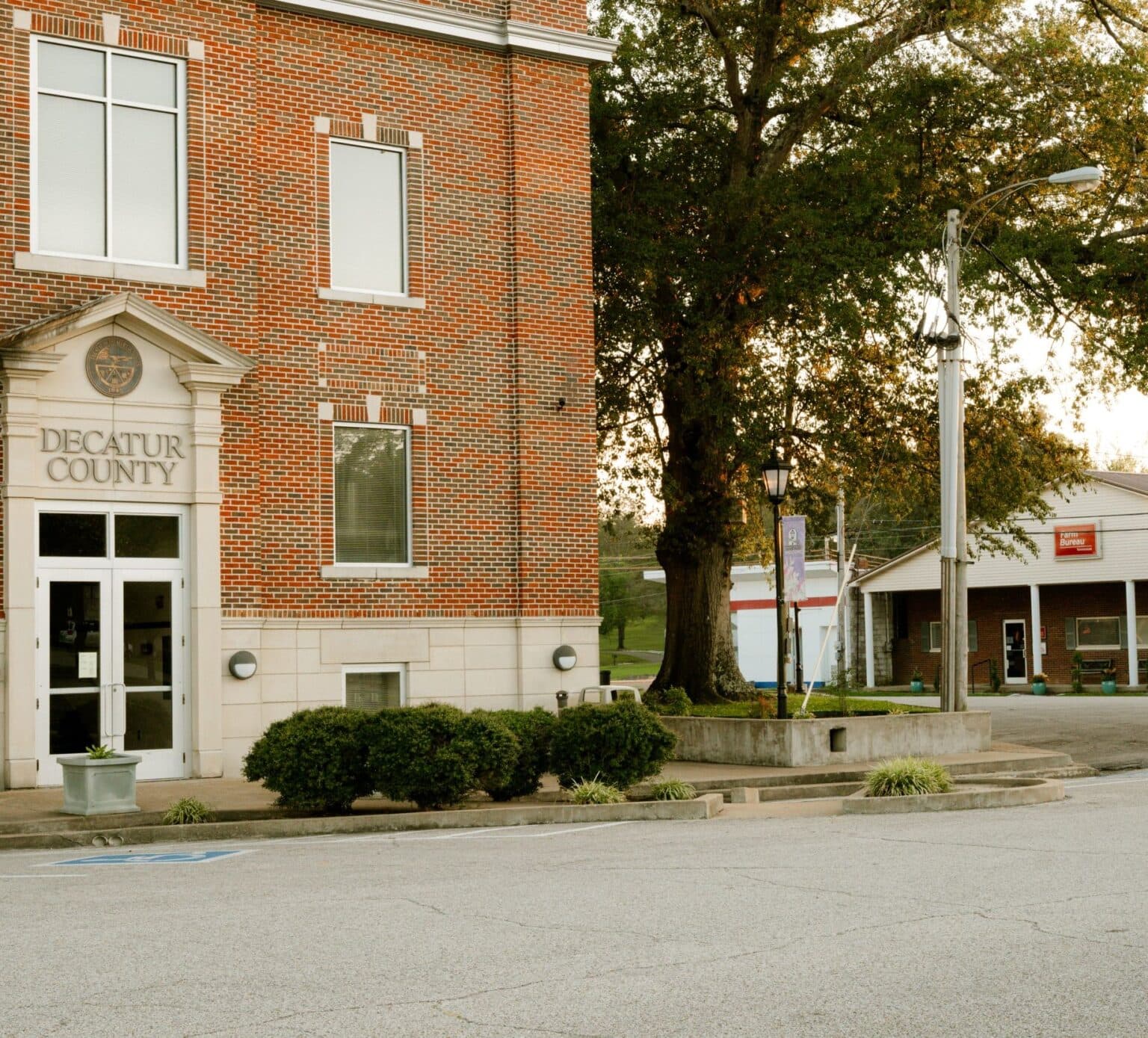
Decatur County Virtual Academy Graduates Seven Students, Signals Educational Options
Decatur County Virtual Academy held a graduation ceremony on December 29, 2025, honoring seven students who completed diploma requirements and outlined varied postsecondary plans. The event highlights the Virtual Academy's role in local education options, workforce pathways, and the need for continued school board and community support.

Decatur County Virtual Academy celebrated seven graduates at a December 29, 2025 ceremony marking the completion of diploma requirements for students enrolled in the district online program. The district listed graduates and noted their next steps include enrollment at TCAT, Tennessee Tech, Jackson State, and one student beginning an apprenticeship. The ceremony featured remarks from school leaders and a reading of the Robert Frost poem The Road Not Taken.
The district identified the graduates as Braydon Bunn, Kody Coleman, Dustin Ervin, Taylor Hickerson, Brooklyn Ivey, Zachary Long, and Carson Wade. District officials thanked Virtual Academy staff and the Decatur County Board of Education for their support of the program. The district post was authored by Dr. Amanda Creasy.
The graduation underscores how alternative delivery models are contributing to local postsecondary and workforce pipelines. Enrollment plans that include technical training, four year college, and direct entry into an apprenticeship reflect a range of outcomes that municipal and county leaders track when planning for economic development and workforce needs. For a rural county, the ability of a virtual program to graduate students who move into technical colleges and apprenticeships is relevant to workforce retention and local employer partnerships.
The event also raises governance questions about funding, oversight, and strategic priorities. The Board of Education's involvement in supporting the Virtual Academy was acknowledged at the ceremony, which points to the board as a key actor in shaping the district portfolio of programs. Voter attention to school board elections and budget decisions can affect how such programs are resourced and evaluated.
For families and community stakeholders, the graduating class demonstrates that nontraditional schooling can lead to tangible next steps in education and employment. Continued transparency about outcomes, graduation rates, and postsecondary persistence will be important for measuring program effectiveness. As Decatur County moves into the new year, the Virtual Academy graduates provide an immediate example of how local education options connect to broader policy goals in workforce development and higher education access.
This article was produced by Prism’s automated news system from verified source data, official records, and press releases, then run through automated quality and moderation checks before publishing. The system is built and supervised by the people who set the standards it runs under. Read our full AI policy.
Did this article answer your question?