Dense Fog Advisory Hits Decatur County, Reducing Visibility Overnight
The National Weather Service issued a Dense Fog Advisory that included Decatur County, Tennessee, for the overnight and early morning hours of November 20 and 21, 2025. The advisory warned of significantly reduced visibility and urged motorists to exercise caution, a notice that matters to local commuters, emergency responders, and residents with early morning travel needs.
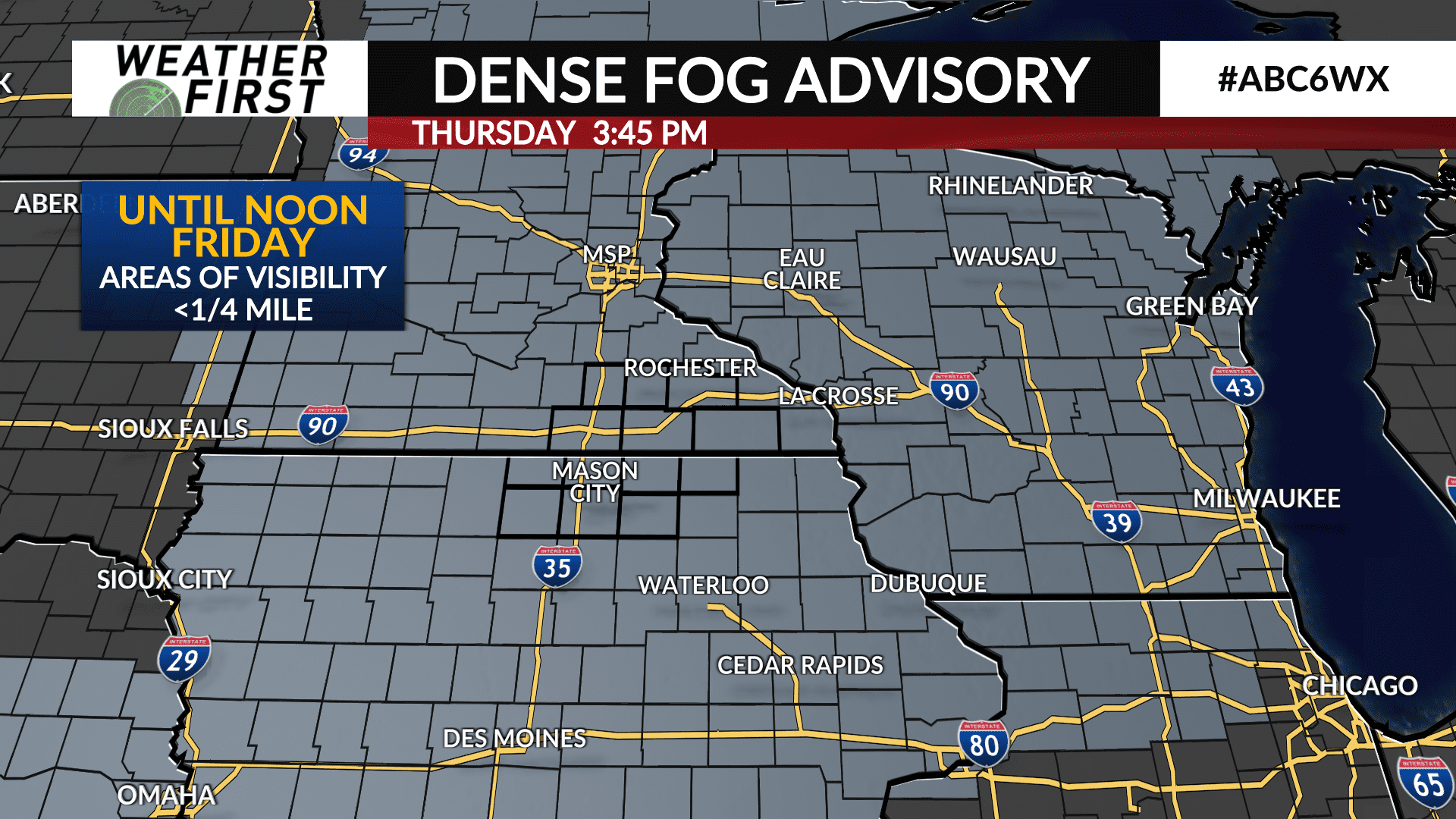
The National Weather Service issued a Dense Fog Advisory that covered Decatur County and surrounding areas for the overnight and early morning hours of November 20 and 21, 2025. The alert was distributed through the NWS iNWS system on November 20, 2025, and identified significantly reduced visibility across the advisory area. The advisory advised motorists to use caution, reduce speeds, and use low beam headlights in areas of dense fog.
Local roads experienced periods of very limited visibility during the advisory window, creating heightened risk for collisions and complicating travel for commuters and commercial drivers. Dense fog can erase sight lines in moments, increasing the chance of chain reaction crashes and forcing drivers to rely on slower speeds and extra vigilance. For Decatur County residents who travel to early shifts, medical appointments, or school activities, those conditions can mean delays and a greater chance of dangerous driving conditions.
Emergency services and public safety planners note that fog events can also slow ambulance response times and affect the scheduling of routine health care, particularly for people who depend on morning transportation. Areas with fewer transportation alternatives face greater disruption when hazardous visibility restricts safe driving. The advisory underscores broader public health concerns about access to care and safe mobility, especially for older adults and residents without flexible work schedules.

The advisory distribution through the NWS iNWS system illustrates how rapid weather communications reach local authorities and the public, but it also highlights gaps in how warnings reach the most vulnerable households. Local policy makers and emergency managers may consider strengthening outreach strategies on fog safety, coordinating with employers and school systems on delay protocols, and ensuring transportation dependent residents receive timely guidance.
As Decatur County moves past the November fog event, the episode serves as a reminder that even short lived weather hazards carry outsized effects on community safety and access to essential services. Continued attention to weather preparedness, targeted public communication, and equity focused transportation planning can reduce harm when visibility deteriorates without much notice.
This article was produced by Prism’s automated news system from verified source data, official records, and press releases, then run through automated quality and moderation checks before publishing. The system is built and supervised by the people who set the standards it runs under. Read our full AI policy.
Did this article answer your question?