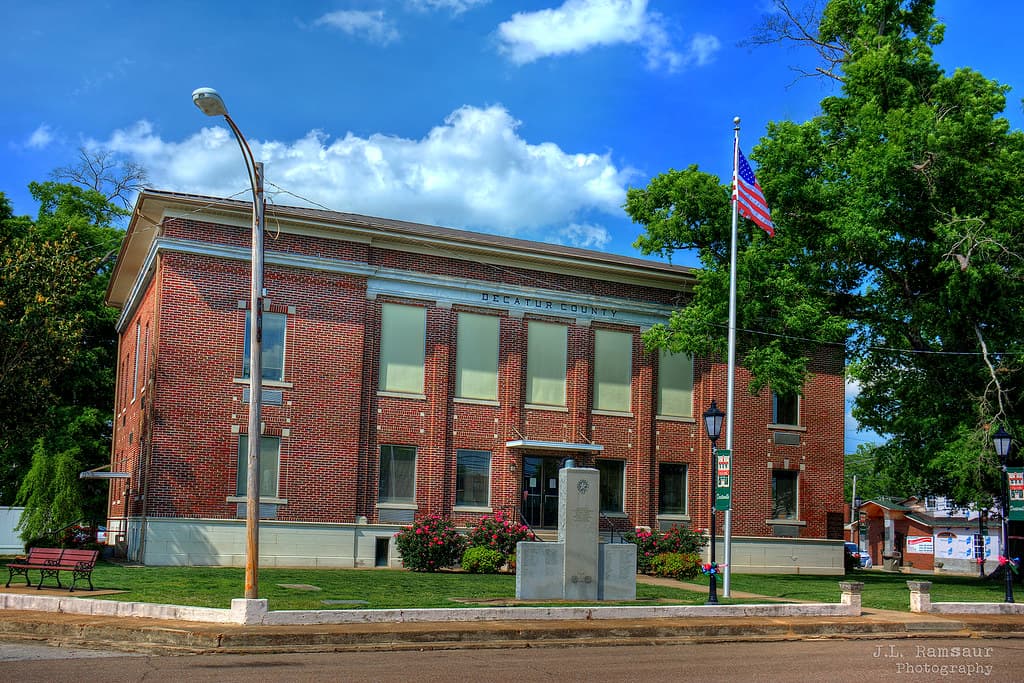
Lawmakers Discuss Rural Healthcare, Juvenile Detention at West Tennessee Capitol Talk Meeting
Sen. Ed Jackson told a public forum that Decatur County's long-closed hospital is getting ready to reopen, as lawmakers pressed for new juvenile detention beds in West Tennessee.
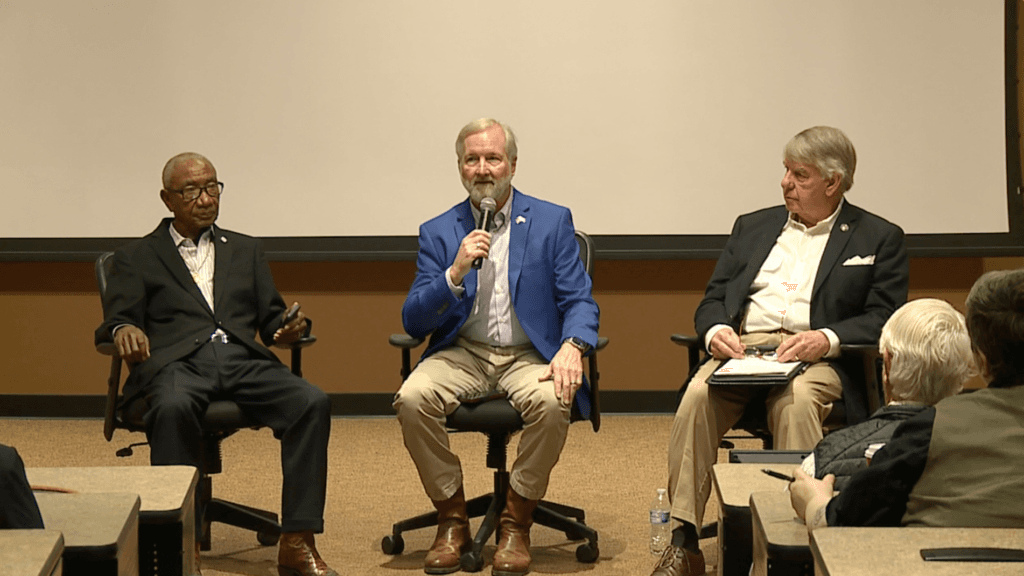
State Sen. Ed Jackson stood before a public audience at the Jackson Energy Authority Training Center on the morning of March 27 and told West Tennessee constituents that Decatur County's shuttered hospital is on the verge of reopening, naming it alongside Perry and Haywood counties as proof that a state-backed rural hospital recovery effort is producing results.
Jackson, joined by Rep. Johnny Shaw and Rep. Chris Todd for the Greater Jackson Chamber's annual Capitol Talk forum, spent the morning outlining what the current Nashville legislative session means for small counties in the region. The session covered rural healthcare, juvenile detention capacity, property taxes and caregiver legislation.
"What we are trying to do is to start to reopen some," Jackson said of the wave of hospital closures that has stripped rural West Tennessee of local emergency and routine care options. "We reopened one in Perry County and we're getting ready to open one in Decatur County. We also reopened one in Haywood County, so we are trying to reopen some of these rural hospitals so they have health care."
Decatur County General Hospital on Tennessee Avenue in Parsons closed under compounding financial pressure and flood damage. Braden Health, a management company that specializes in acquiring and reviving distressed rural facilities, purchased the property and has been rehabilitating it. Jackson's update at the Capitol Talk meeting is the clearest public signal yet that Parsons residents could soon have a local hospital rather than a long drive to Jackson or another regional center when a medical emergency strikes.
The juvenile detention shortage drew equally pointed discussion. West Tennessee outside of Memphis has only 11 pre-adjudication beds for minors held while awaiting court dates. When those beds are filled, counties including Decatur must transport youth to facilities in Middle and East Tennessee, stretching family travel, increasing county transportation costs and separating juveniles from their attorneys during the most consequential phase of their cases. A new facility planned for East Jackson would directly address that gap: two buildings capable of holding between 96 and 144 total beds, one hardware-secure and one staff-secure, backed by $185 million in state funding already secured in the appropriations process.
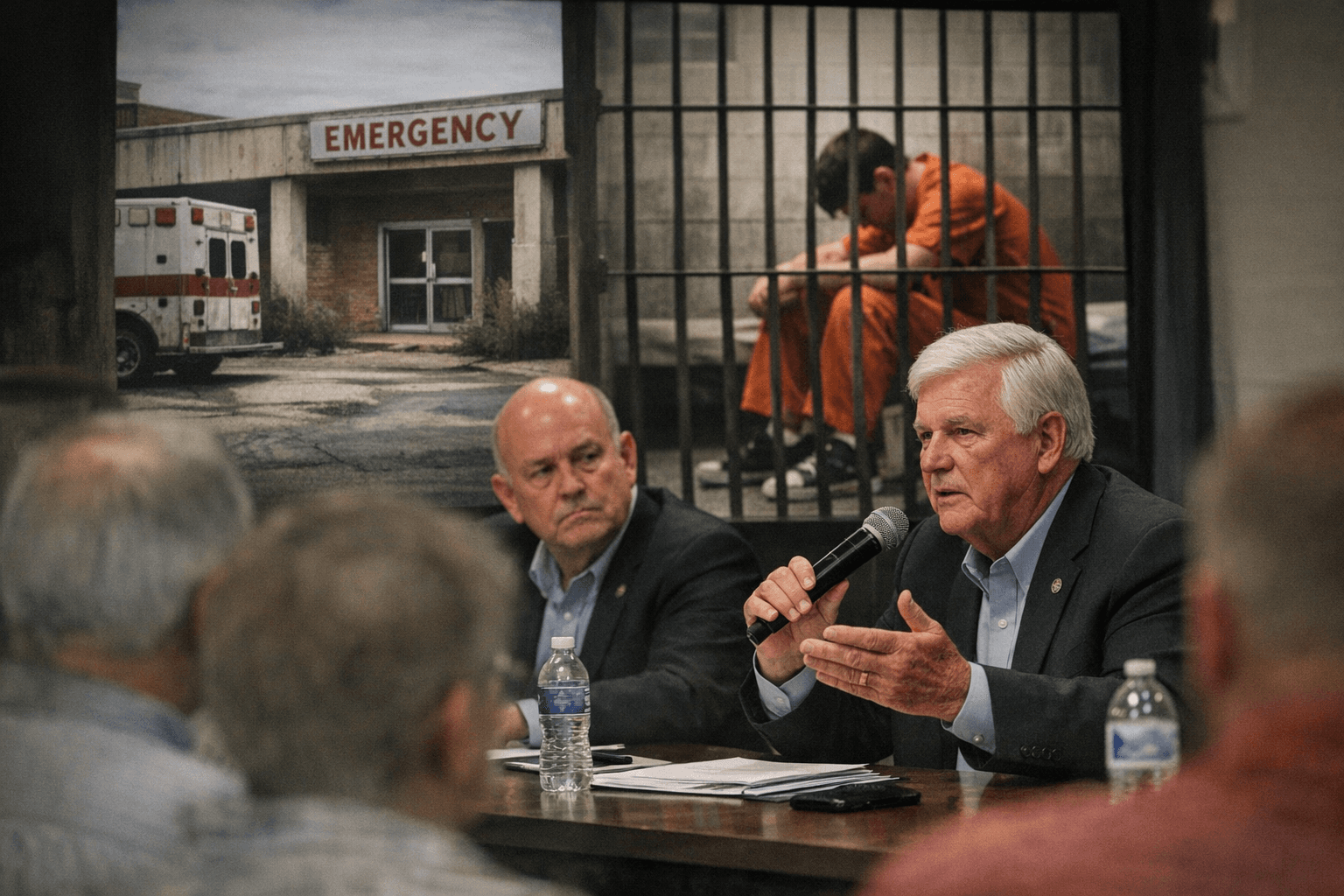
Jackson has described the juvenile detention shortage as one of the most urgent problems facing West Tennessee's court system, noting that virtually every sheriff and juvenile judge in the region has called for a new facility. The March 27 forum was an opportunity to signal to constituents that construction is the next step, not a study.
The session's agenda also included caregiver relief legislation aimed at families caring for Alzheimer's patients and ongoing work on rural broadband and economic development, both of which intersect with healthcare access in counties where provider recruitment depends heavily on quality-of-life infrastructure.
With the Tennessee General Assembly moving toward adjournment in the coming weeks, the bills tied to rural hospital stabilization funding and the juvenile detention construction authorization will need to clear both chambers for any of Friday's commitments to take effect before next year.
This article was produced by Prism’s automated news system from verified source data, official records, and press releases, then run through automated quality and moderation checks before publishing. The system is built and supervised by the people who set the standards it runs under. Read our full AI policy.
Did this article answer your question?