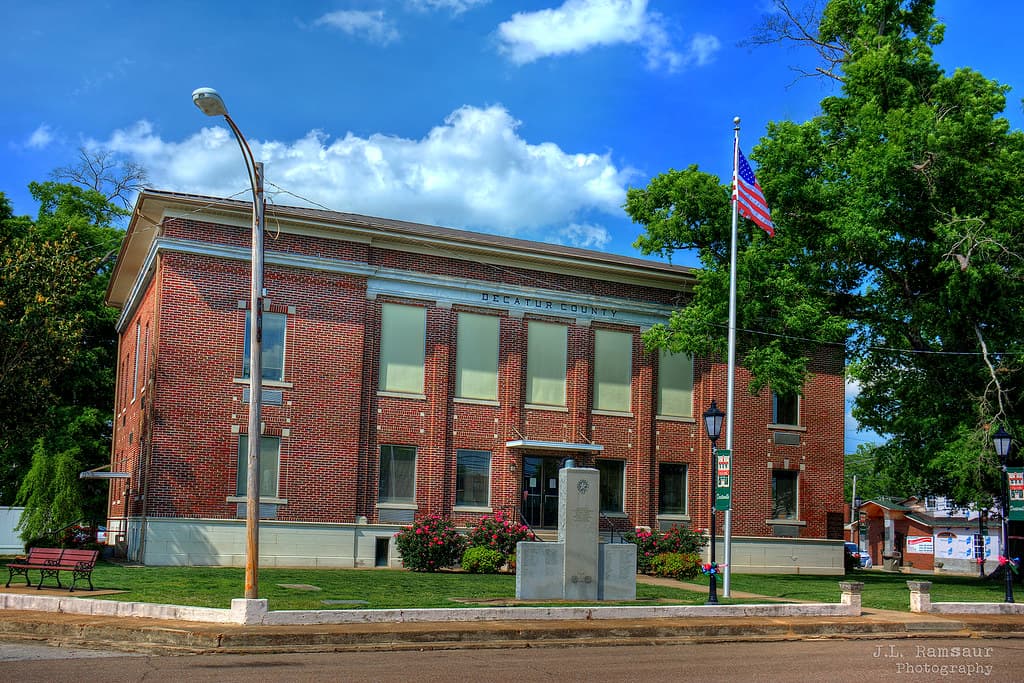
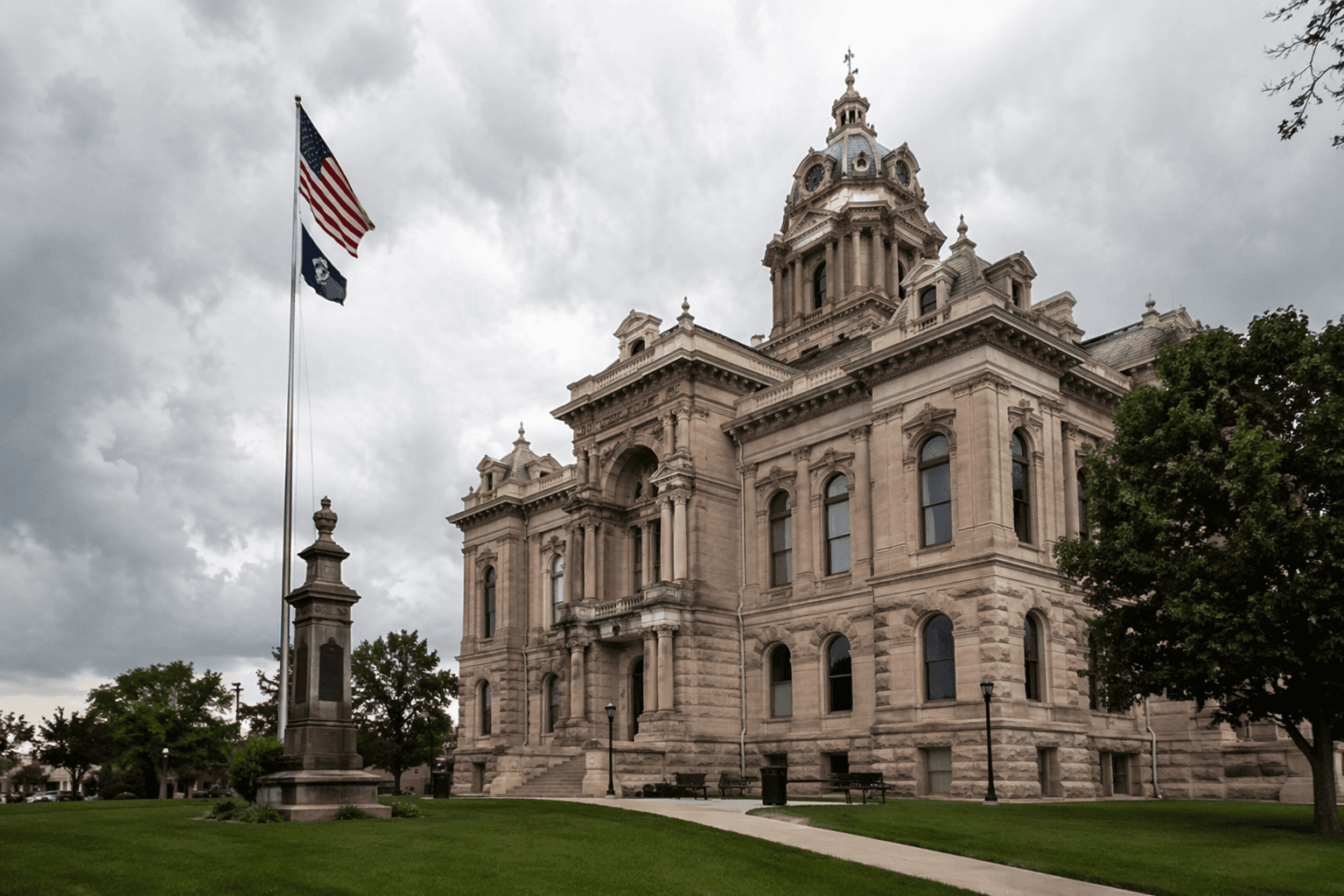
Parsons website spotlights services, river-town identity and community resources
Parsons’ website puts utilities, safety and community spaces within easy reach, while reinforcing the city’s river-town role. It’s a practical window into daily life in Decatur County.
A website built around daily needs
Parsons presents itself online the way a resident or traveler might use it: as a working city, not just a dot on a map. The homepage puts utilities, public safety, fire safety tips, parks and recreation, cemetery information, the Parsons Centre, history and job-seeker resources in one place, making the site feel like a central front door to city government. That layout tells you a lot about how the city wants to be seen in Decatur County: useful first, promotional second.
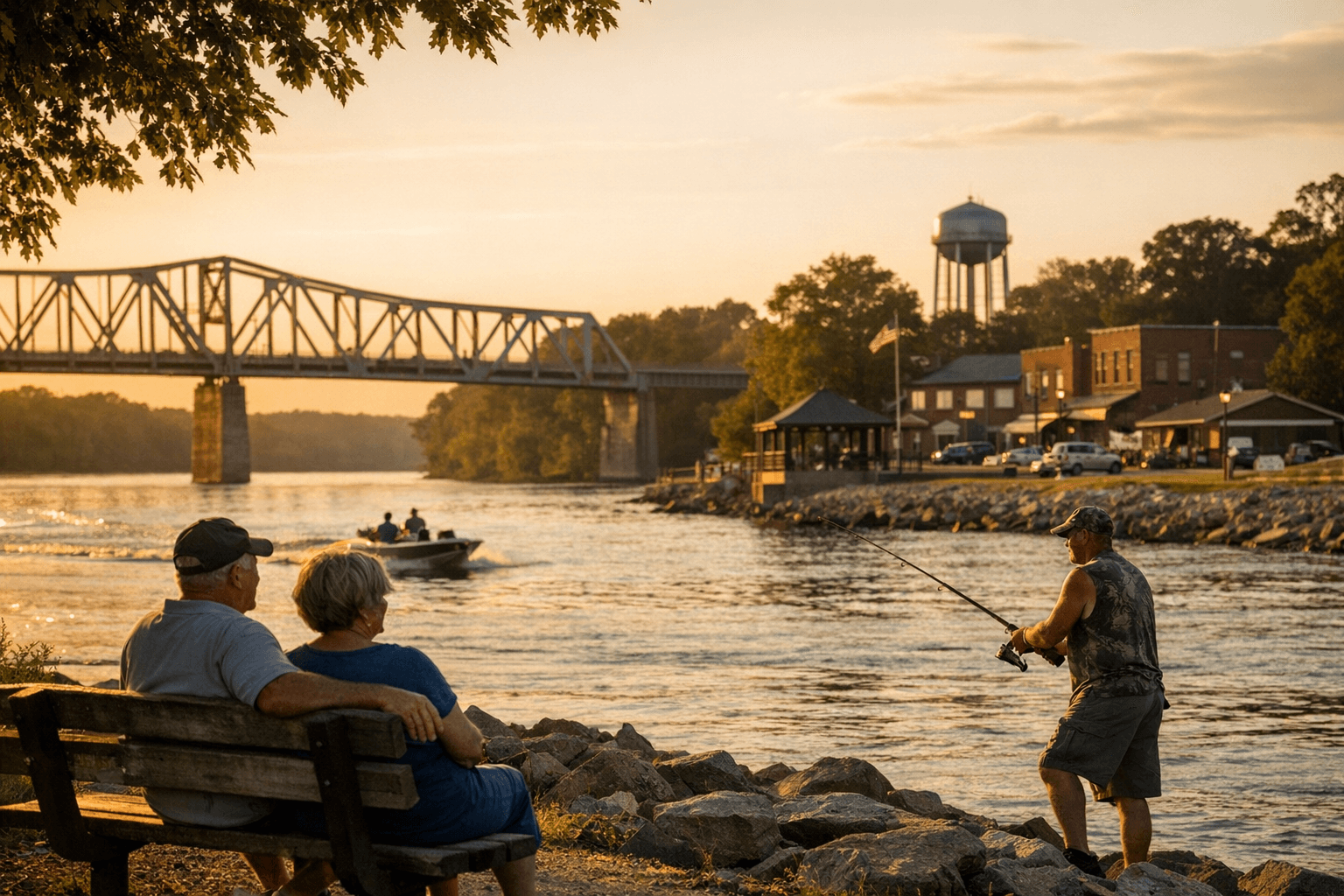
The location message is just as direct. Parsons describes itself as sitting on the banks of the Tennessee River, about halfway between Memphis and Nashville and only 15 minutes south of Interstate 40 at Exit 126 on Highway 641 South. For anyone driving through western Tennessee, that positioning matters because it makes Parsons both a local destination and a practical stop along a major corridor.
Services residents are expected to find fast
The clearest sign that the city website is meant to serve everyday life is the utilities section. The City of Parsons Utility Department says its job is to provide natural gas, water and sewer service, three of the basic systems that shape how a household functions day to day. For families settling in, seniors managing fixed incomes and newcomers trying to understand local bills, that kind of front-and-center access matters more than polished branding.
City Hall adds another layer of practical information. Parsons is listed as “exempt” for building code enforcement, which means the state handles that role while the city still requires inspections, zoning permits and building permits. That detail is the kind of thing residents, contractors and property owners need before they start a project, and it makes the site more than a civic brochure. It is a place where people can start sorting out what is allowed, what needs approval and which office handles what.
Public safety and community continuity
The website’s inclusion of fire safety tips and cemetery information may seem like an unusual pairing at first glance, but together they show how the city presents continuity as part of governance. Fire safety tips speak to immediate preparedness, while cemetery information connects to family history, remembrance and long-term community identity. In a county where many residents have deep roots, those pages fit the everyday reality of a town that sees itself as caring for both the present and the past.
That same logic carries into the broader set of city links. The Parsons Centre and parks and recreation references point to a civic life that is not limited to paperwork and utility bills. They suggest that the city expects people to gather, learn and spend time together in public places that are tied to municipal life. In a small county seat area, those shared spaces can matter as much as any single office window.
The Parsons Centre as a downtown anchor
The Parsons Centre is one of the clearest examples of how the city’s online identity connects to a physical place. A recent local report described the facility at 535 Tennessee Ave. S. as a downtown hub with an art gallery, a museum focused on Parsons and Decatur County history, library services that include genealogy and career resources, and community rooms that can be reserved for group use. That mix gives the building a wider role than a single-purpose center.
For a town like Parsons, that matters because downtown institutions often carry the weight of several needs at once. The Centre can be a place for cultural programming, a research stop for family history, a resource for job searching and a venue for meetings or gatherings. It helps explain why the city website places community life alongside utilities and safety instead of treating it as an afterthought.
Parks, recreation and a future green space
The city’s parks and recreation page points toward another part of Parsons’ self-image: a community still shaping where people will gather next. The proposed Parsons Regional Community Park would be developed in phases on the former general aviation airport site, Scott-Gibson Field, a 61-acre property. That kind of phased plan suggests long-term civic thinking, with room for recreation, open space and future public use.
For residents, the park concept signals that the city is not only maintaining existing services but also imagining new shared spaces. In a county where a single city can carry a lot of the public load, the promise of a large community park is more than a nice amenity. It is a statement about where local investment is headed and how the city expects families to spend time together.
Why Parsons carries so much county weight
Parsons matters beyond its city limits because it is widely described as the largest city by population in Decatur County. The 2020 census counted 2,100 residents, and a newer estimate places the city at about 2,189 in 2026. Those numbers are small by metropolitan standards, but in Decatur County they make Parsons the place where many county-wide services, errands and civic interactions naturally converge.
Its history helps explain that role. The Decatur County Historical Society says Parsons was the largest town in the county, near the center of Decatur County and about five miles west of the Tennessee River. The society also notes that Henry Myracle donated the site in 1889, deeding 143 1/3 acres to the Tennessee Midland Railroad Company on April 11, 1889. That origin story ties the city to rail-era development, while the Tennessee Encyclopedia says the town was first called Parsons Flat and received its charter in 1913.
Later change came from the river landscape itself. The Tennessee Encyclopedia says flooding tied to Kentucky Dam and Lake pushed residents into Parsons from older river communities. That migration helps explain why the city sits at the intersection of transport, county settlement and river-region adjustment. Parsons is not just where the county grew up around a railroad site; it is also where displaced river communities found a new civic center.
A river-town identity with county-wide reach
Decatur County’s own marketing materials call it “The Home of the Tennessee River,” and that phrase matches the way Parsons presents itself online. The county’s river identity, the city’s riverside location and the use of the website as a service hub all reinforce the same point: Parsons is both a gateway and a gathering place. For travelers, that means easy access off I-40 and Highway 641 South. For residents, it means a city website that tries to bundle the practical essentials of living here into one place.
The result is a portrait of Parsons as a small river town with a big civic role. It is a place where utilities, permits, safety information, public spaces and community memory all sit close together, and that is exactly what gives the city’s website its value.
This article was produced by Prism’s automated news system from verified source data, official records, and press releases, then run through automated quality and moderation checks before publishing. The system is built and supervised by the people who set the standards it runs under. Read our full AI policy.
Did this article answer your question?