Pleasant Hill Cemetery reveals Decatur County’s family history and rural roots
Pleasant Hill Cemetery ties Decatur County families, church life, and lost records together through old surnames, shell-covered graves, and a map name that changed over time.
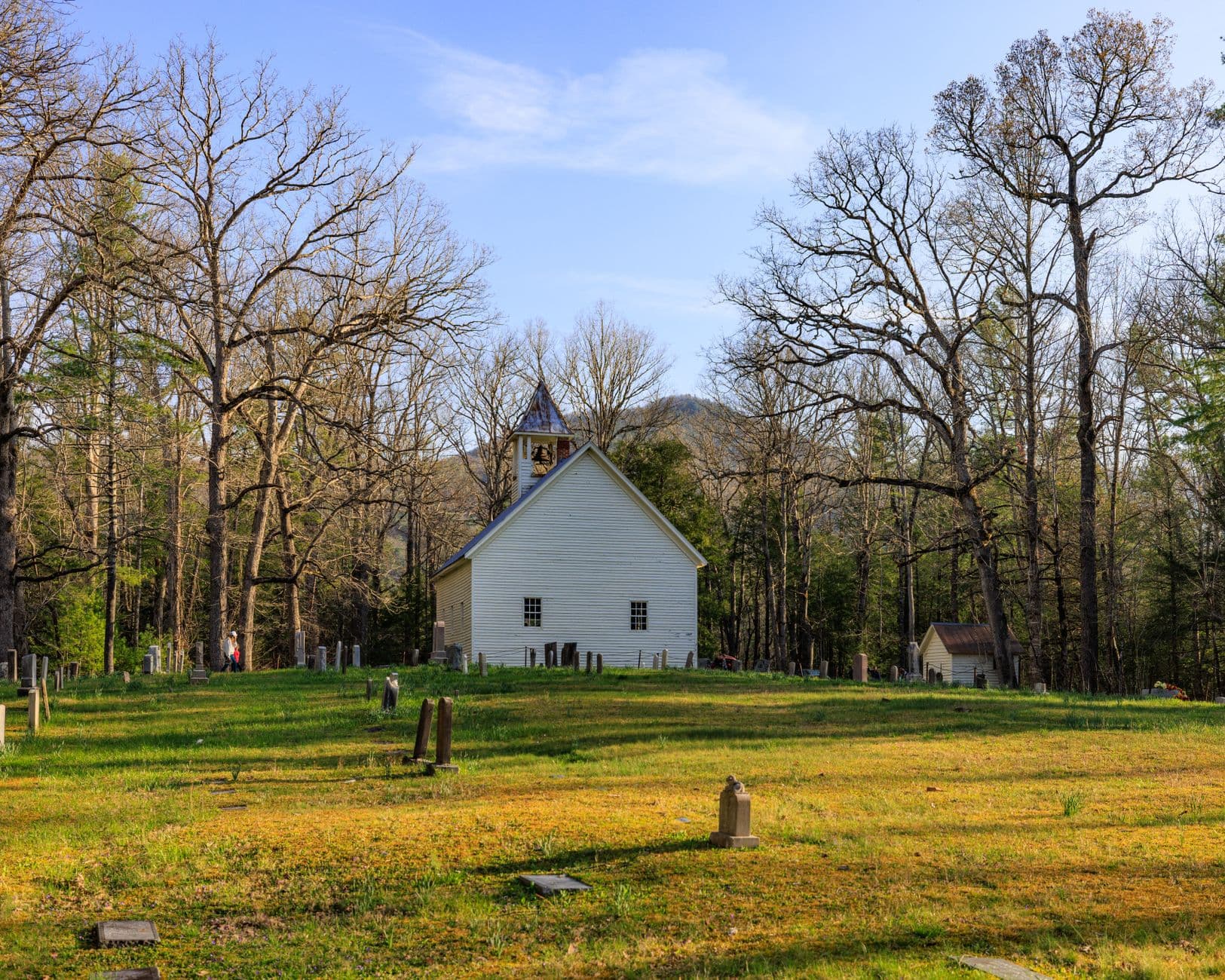
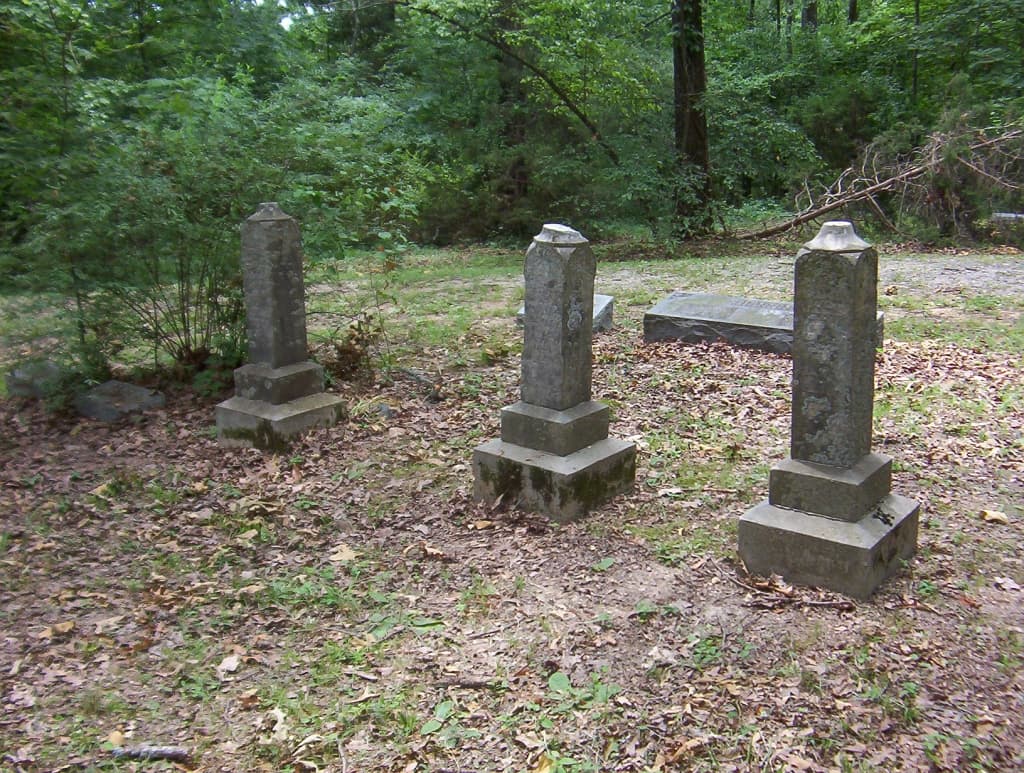
Pleasant Hill Cemetery sits across the road from Pleasant Hill Methodist Church on Brooksey Road, about 8 miles south of Decaturville.
Start with the surnames
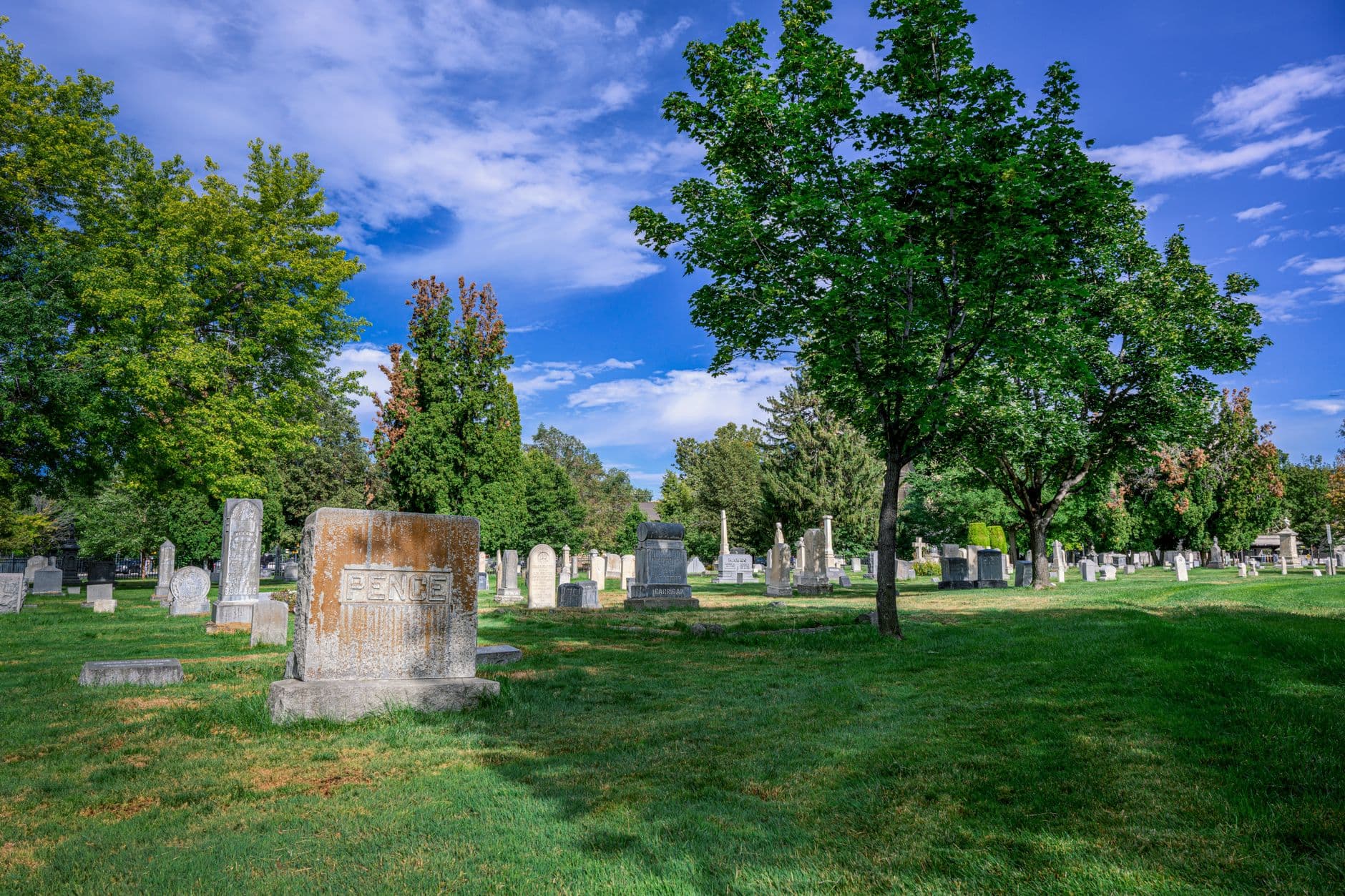
The most useful clue at Pleasant Hill is not just a single marker, but the repetition of family names across the grounds. The cemetery includes the old Adkisson and Montgomery Family Cemetery, which means one visit can open into more than one branch of a family tree. When the same surnames appear again and again in a small rural cemetery, they often mark kinship networks that reached beyond one household and into a whole church community.
TNGenWeb lists Pleasant Hill as probably the second largest cemetery in the county. Parsons Cemetery has more markers, but Pleasant Hill still holds a wide share of the county’s family history. A walk through the site can show which names stayed local, which families intermarried, and which lines appear clustered near one another in burial.
Read the place names like a record
Pleasant Hill has carried different names without moving an inch. On the U.S.G.S. Thurman quadrangle from 1972, the site was labeled “Adkisson Cem,” a reminder that map names can preserve an older identity long after local usage has shifted. For genealogy, that old label connects the cemetery to the families who first defined it in records and memory.
Researchers looking through deeds, church notes, or family papers may find different names for the same place. A family may know the place as Pleasant Hill Cemetery today, while an older map or document refers to Adkisson Cemetery. In a county where a single burial ground can hold several family histories, those name variations are often the key to linking generations correctly.
Why church grounds and courthouses matter together
Decatur County itself was formed in 1845 from Perry County, with Decaturville as the county seat. That relatively late county formation leaves local cemeteries and church grounds especially useful to family historians because they capture relationships that may not always appear clearly in earlier civil records. In a rural county built around small communities rather than large towns, burial sites often preserve the most consistent record of who lived where.
Courthouse fires in 1869 and 1927 damaged or erased part of the paper trail. When paper records are damaged or lost, cemetery surveys, church associations, and family plots become essential to reconstructing the county’s past. Pleasant Hill links the county’s documentary history with the lived history still visible on Brooksey Road.
What the surveys tell you
The Decatur County cemetery surveys were compiled by David Donahue from his personal research and other sources, and those records were later moved to the TNGenWeb Cemetery Database. The pages are no longer being updated, which makes them a preserved research base rather than a living directory. Much of Decatur County’s burial history has depended on volunteer documentation.
Pleasant Hill should be read alongside other county cemeteries, not in isolation. Decaturville City Cemetery dates to the mid-1840s and may be the county’s largest cemetery in terms of carved markers, so it offers a different kind of comparison point. Pleasant Hill helps show rural church-burial patterns, while Decaturville City Cemetery shows how the county seat developed its own dense memorial record.
Look closely at the burial customs
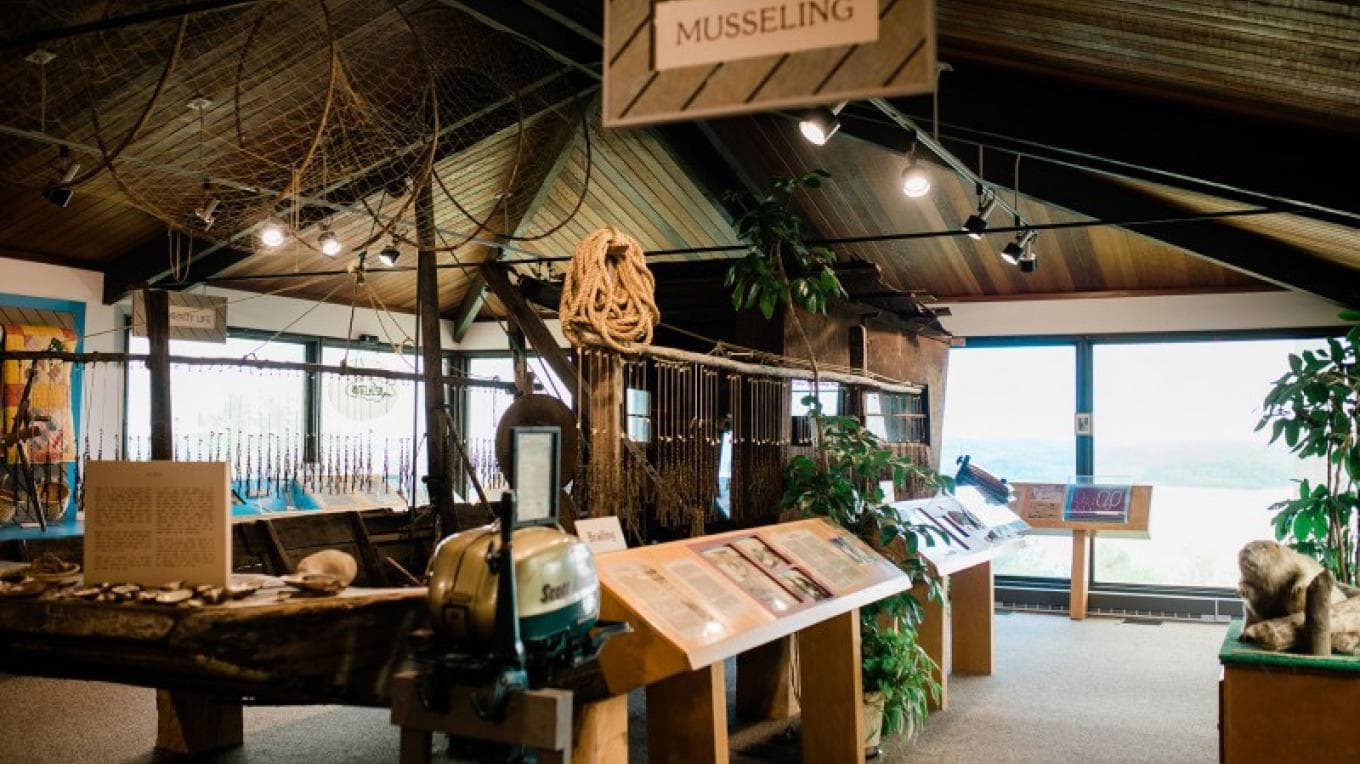
The TNGenWeb page includes a hand-colored photograph from the collection of Brenda Kirk Fiddler, along with a note about mussel shells covering Aaron family graves. Shell coverings point to a burial practice that can reveal family tradition, local resources, or a shared way of marking graves.
The pattern appears elsewhere in the county too. In 1991, a related entry for Ivey Cemetery recorded several shell-covered graves similar to the old Aaron family graves at Pleasant Hill. When the same style appears at two different burial sites, it suggests a broader local practice rather than a one-off choice, and that gives family researchers a second layer of evidence to examine.
A practical way to use Pleasant Hill for family research
Start with the church across the road, then work outward through the surnames and family clusters visible in the cemetery. After that, compare the names you find with older map labels, especially the Adkisson identification on the 1972 Thurman quadrangle, and then check nearby burial grounds such as Parsons Cemetery, Decaturville City Cemetery, and Ivey Cemetery for matching names or burial customs.
A short research plan can make the visit more productive:
- Look for repeated surnames, especially Adkisson and Montgomery, to identify family clusters.
- Note the church location across Brooksey Road, since Pleasant Hill Methodist Church helps place the cemetery in a community setting.
- Compare the burial style, including shell-covered graves, with the Aaron family graves and the similar graves noted at Ivey Cemetery.
- Use the older map name, “Adkisson Cem,” when searching records that may not use the modern cemetery name.
This article was produced by Prism’s automated news system from verified source data, official records, and press releases, then run through automated quality and moderation checks before publishing. The system is built and supervised by the people who set the standards it runs under. Read our full AI policy.
Did this article answer your question?