Tennessee River and Heritage Boost Decatur County Recreation and Economy
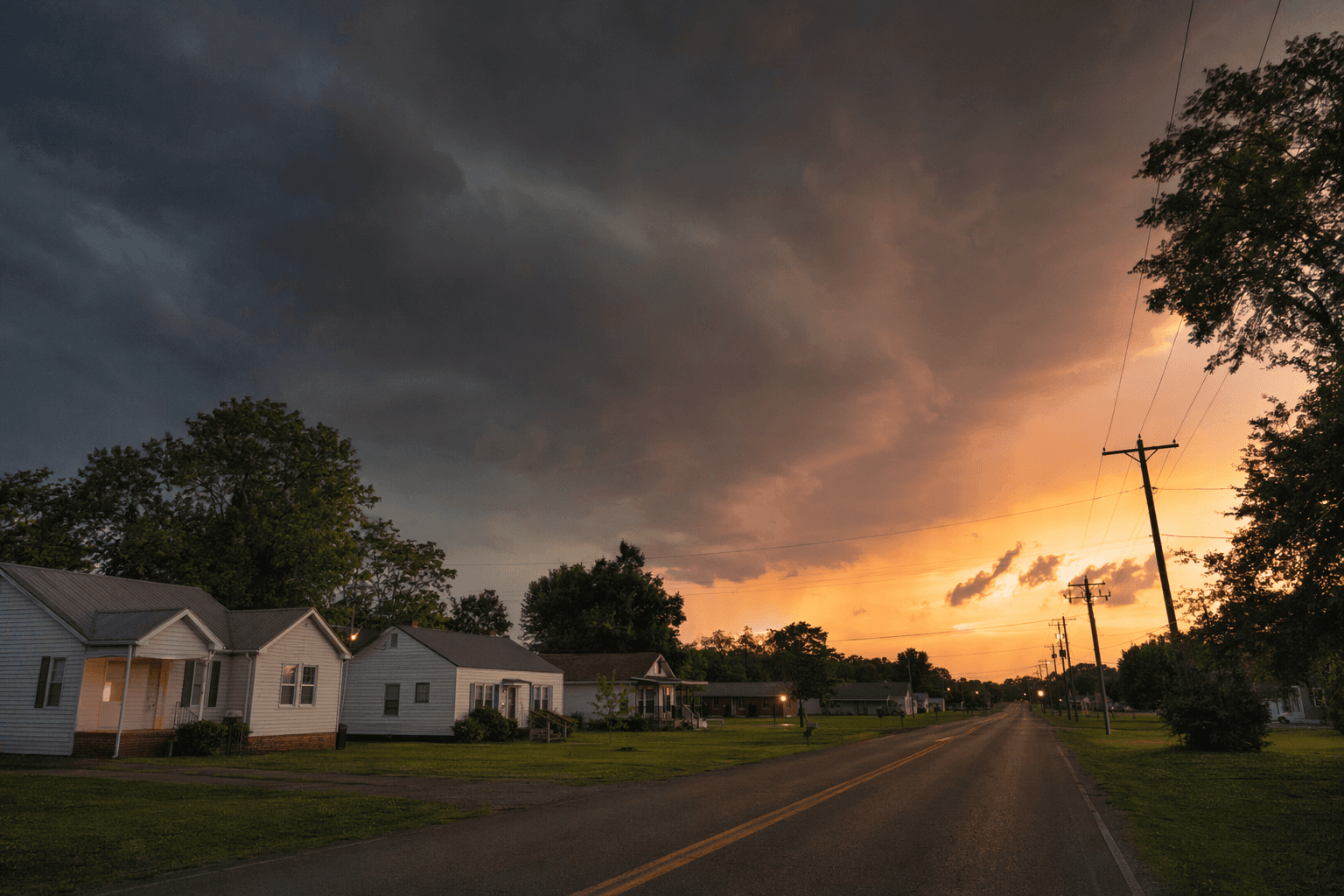
Decatur County’s riverfront, parks, and historic downtowns anchor a mix of recreational and cultural assets that sustain local businesses and community life. Maintaining access, infrastructure, and conservation measures will shape local planning and economic outcomes for residents and visitors alike.
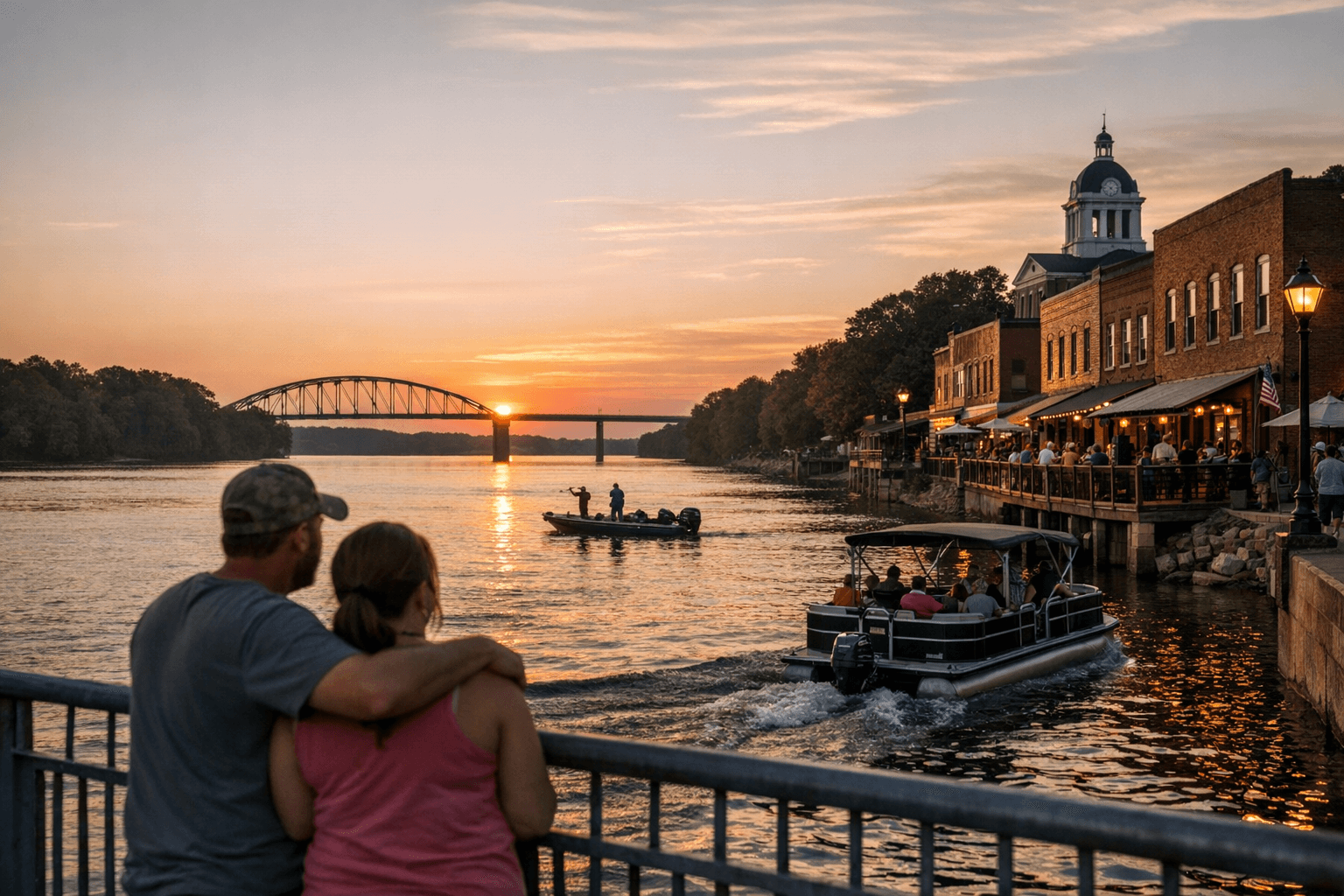
Decatur County is defined by its Tennessee River corridor, rural landscapes, and small town centers that draw anglers, boaters, bird watchers, and history visitors. River access near Parsons and other points provides boat ramps, fishing access, and water based recreation that support weekend tourism and local outdoor businesses. Anglers commonly seek bass and catfish among other species, and seasonal wildlife viewing along river bridges and corridors remains a noted local amenity.
Historic downtowns in Decaturville and Parsons retain courthouse squares, period buildings, and community monuments that anchor cultural programming and heritage tourism. The Decatur County Historical Society and local archives maintain Civil War era records and early settlement materials that serve genealogists and researchers. Local museums and heritage groups stage occasional exhibits and genealogy days that connect residents with family and regional history.
Public lands and parks provide basic camping, picnicking, and fishing, while Corps of Engineers managed river access points extend recreational opportunities along the Tennessee River system. River focused activities such as fishing tournaments and day boating bring visitors who support marinas, lodging, restaurants, and outdoor outfitters. Hunting on forests and agricultural land sustains seasonal traditions and local spending, while state wildlife regulations including management zones for issues such as chronic wasting disease remain relevant to hunters and wildlife managers.
Community events are concentrated in spring through fall, when churches, civic clubs, and volunteer fire departments host festivals, parades, and fairs that draw neighboring counties. Practical considerations for visitors include variable cell coverage in rural areas, fuel availability, boat ramp conditions, and the need to confirm lodging during peak weekends. Official information is available from Decatur County government pages, the county Chamber of Commerce, historical society publications, Tennessee River and Corps of Engineers websites, and local media calendars.
The local impact extends beyond recreation. Decisions by county officials and local planners about infrastructure funding, river access maintenance, and conservation policy will influence economic resilience and quality of life. Sustaining access while protecting natural resources requires coordination between elected bodies, state agencies, civic organizations, and small businesses. For voters and community stakeholders, those choices will determine how well Decatur County balances conservation with economic opportunity in the years ahead.
Know something we missed? Have a correction or additional information?
Submit a Tip