Congress Approves Bill To Modernize Snowpack Forecasting, Aid Dolores County
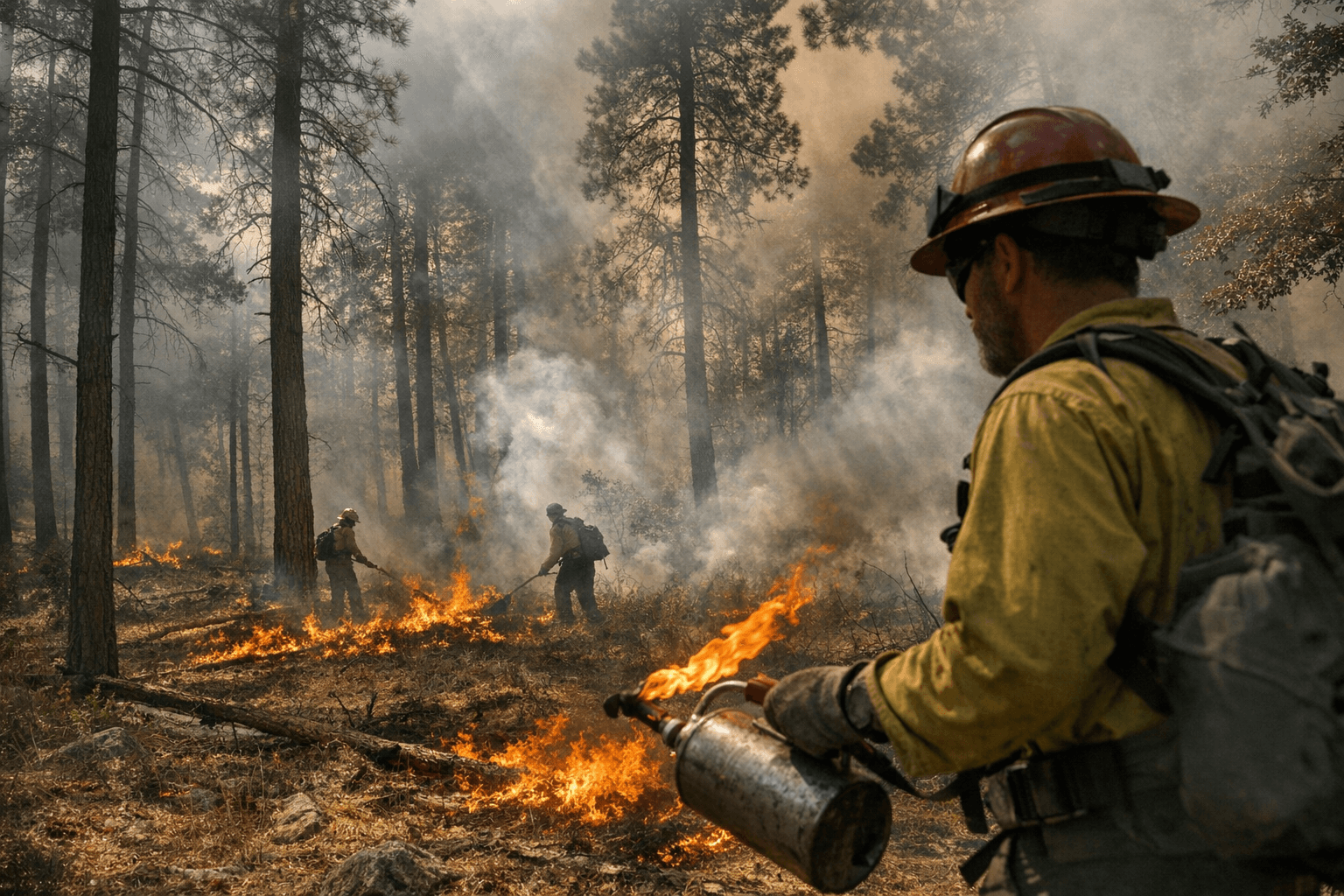
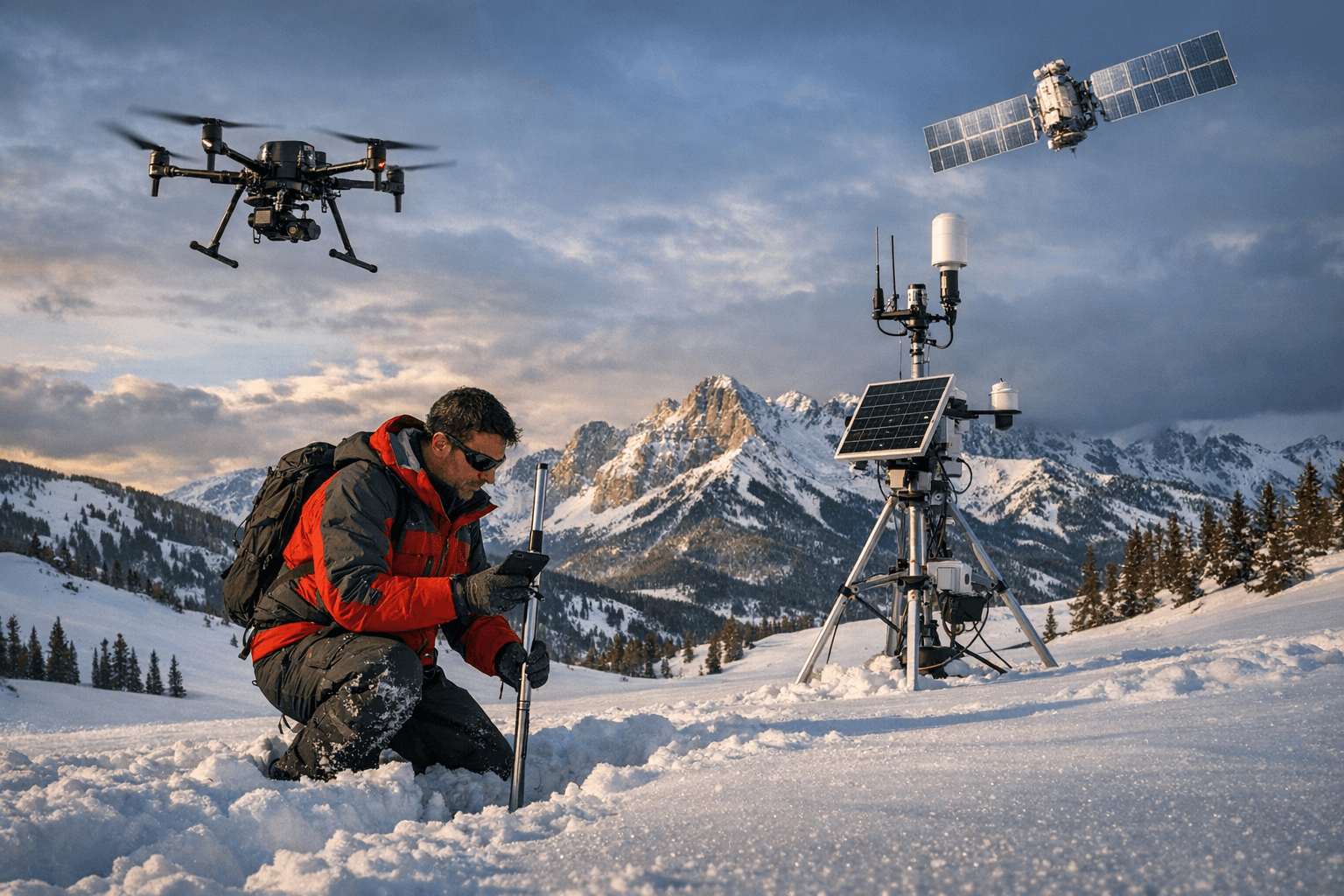
The U.S. House passed Rep. Jeff Hurd's Snowpack Water Supply Forecasting Reauthorization Act on December 12, 2025, clearing a key procedural hurdle for updated snow measurement technology. If the bill becomes law it would authorize federal funding to bring LIDAR, satellite imagery and improved modeling into water management alongside legacy SNOTEL sites, delivering more accurate real time, three dimensional snowpack and snow water equivalent data that local users can apply to drought planning, reservoir operations and wildfire risk management.
The House passage of the Snowpack Water Supply Forecasting Reauthorization Act on December 12, 2025 marks a significant development for water managers and users across the San Juan Basin, including Dolores County. Sponsored by Colorado Representative Jeff Hurd, the bill would authorize federal funds and allow managers to integrate modern tools such as LIDAR, satellite imagery and improved modeling with established SNOTEL monitoring sites to produce more accurate, real time, three dimensional measurements of snowpack and snow water equivalent.
Supporters of the measure argue the enhanced forecasting capacity would directly benefit rural water users, municipal systems and reservoir managers in Dolores County by improving the information available for planning and operational decisions. Better snowpack data can inform drought contingency planning, guide reservoir release schedules and help assess areas of elevated wildfire risk earlier in the season. For communities that rely on spring melt for irrigation and municipal supply, more precise and timely forecasts can reduce uncertainty and improve allocation decisions.
Institutionally the bill would shift how federal and local entities coordinate data and resources. Federal funding authorization would enable local water districts, county officials and reservoir operators to incorporate newer remote sensing and modeling outputs into existing decision frameworks that still rely heavily on legacy SNOTEL sites. That integration will require technical capacity, data sharing protocols and budget adjustments at the local level to translate improved forecasts into operational changes.
The measure must still clear the U.S. Senate and be signed by the president before becoming law. For Dolores County officials and water users the next steps are closely watched, since adoption would determine when and how new monitoring tools become routinely available. Improved forecasting promises practical gains for drought resilience and wildfire preparedness, but realization of those benefits will depend on federal passage, funding flows and local implementation.
Sources:
Know something we missed? Have a correction or additional information?
Submit a Tip