Dry Winter, Spring Leave Dolores County Water Supplies Running Low
Dolores County's water cushion is thinning fast as drought and weak snowpack leave McPhee Reservoir under pressure, with irrigation and outdoor watering first in line.
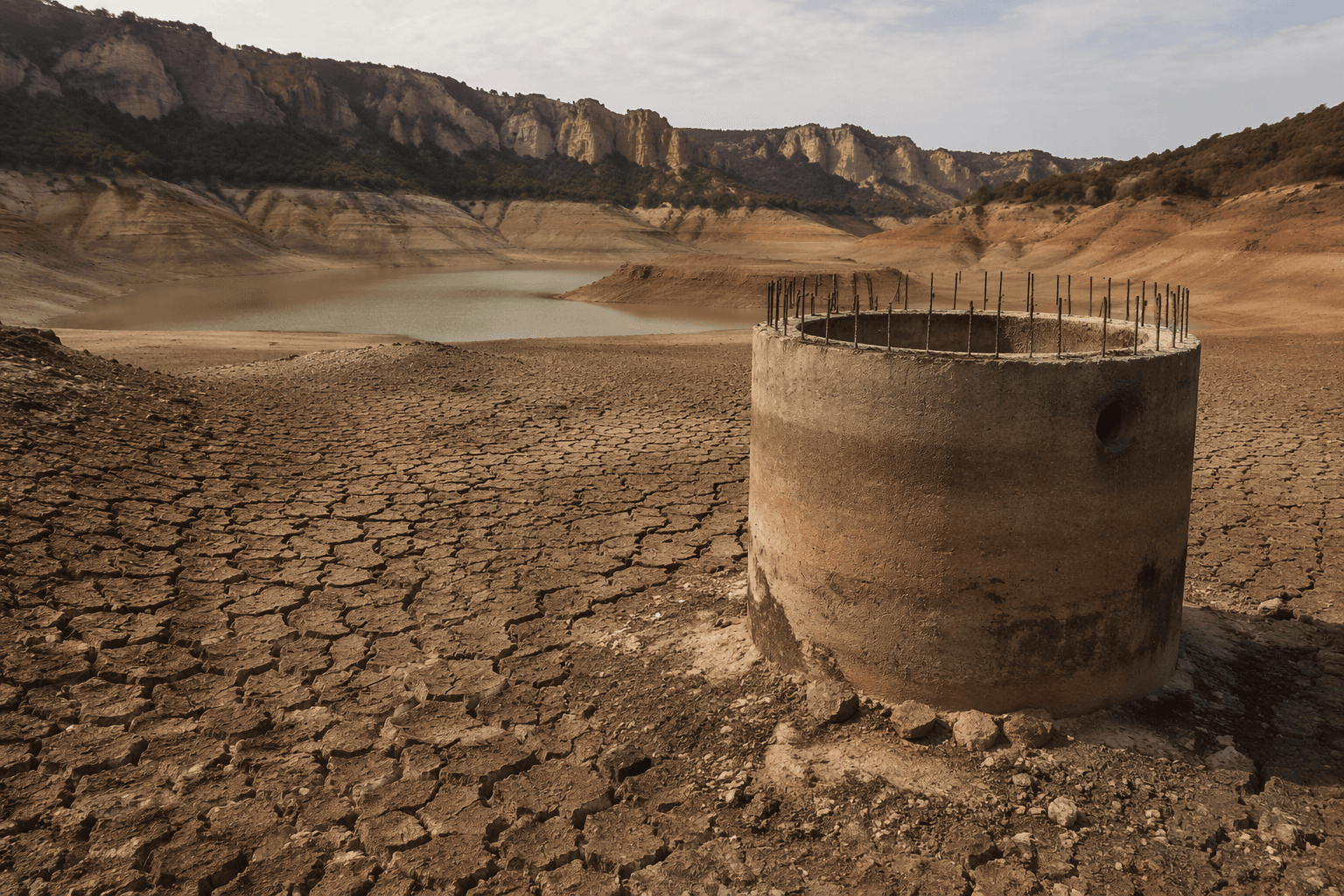
Lawns, gardens and irrigation lines in Dolores County are heading into a lean season as dry winter and spring weather left the region with far less water cushion than usual, Ken Curtis told Cortez City Council.
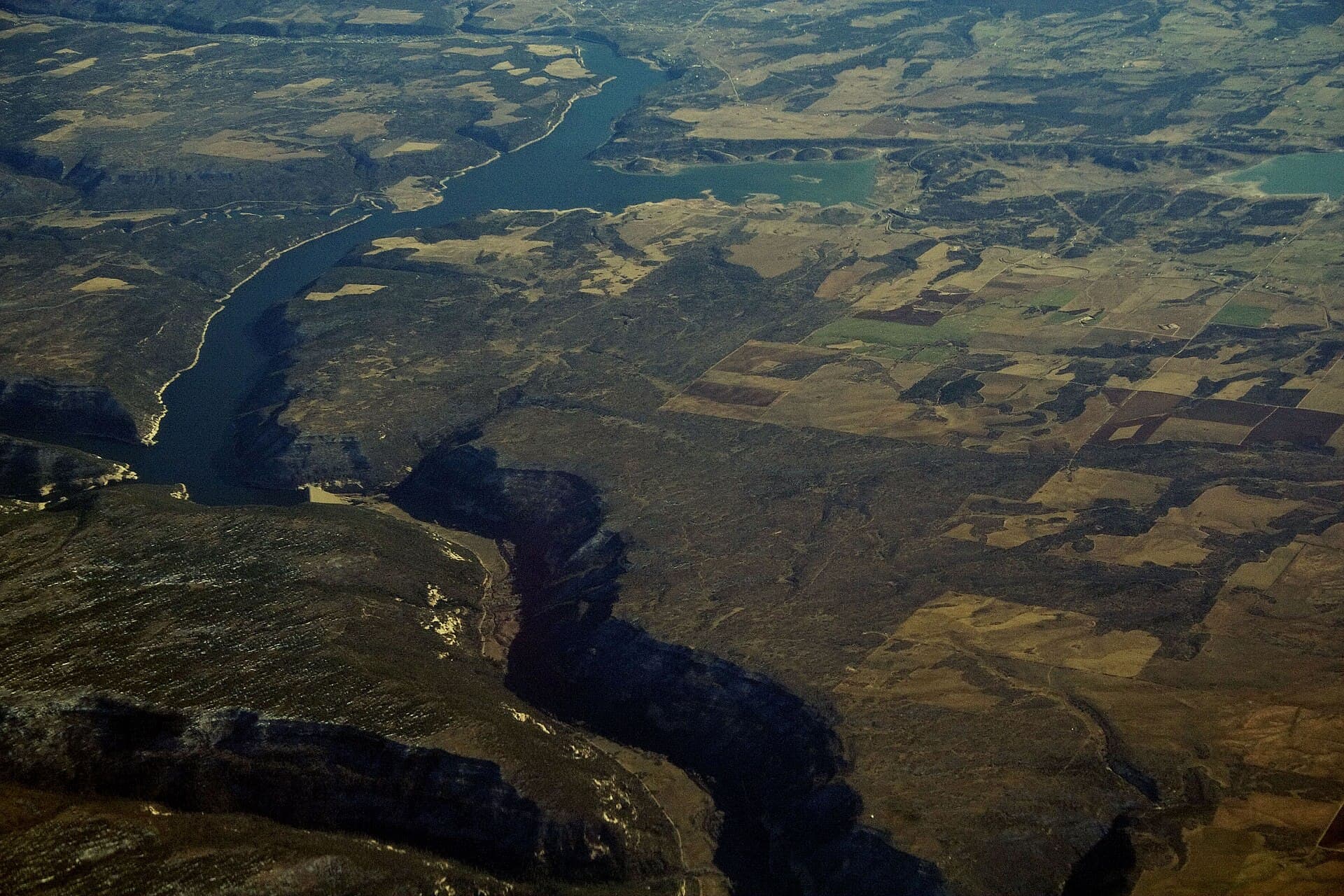
Curtis, the general manager of the Dolores Water Conservancy District, said the district is watching bleak supplies across a system that serves Montezuma and Dolores counties, the City of Cortez and the Ute Mountain Ute Indian Reservation. DWCD manages water for irrigation, municipal and industrial use, recreation, wildlife and hydroelectric power, and its Dolores Project depends on McPhee Reservoir, the main storage feature on the Dolores River.
That reservoir is no small buffer. DWCD says McPhee Reservoir has a total capacity of about 381,000 acre-feet and an active capacity of about 229,000 acre-feet, and the project delivers water to more than 61,000 acres of land. When that storage falls short, the first pressure shows up where people see and feel it most: on farm deliveries, outdoor watering, and the streamflows that help support the downstream fishery and the broader summer water supply picture.
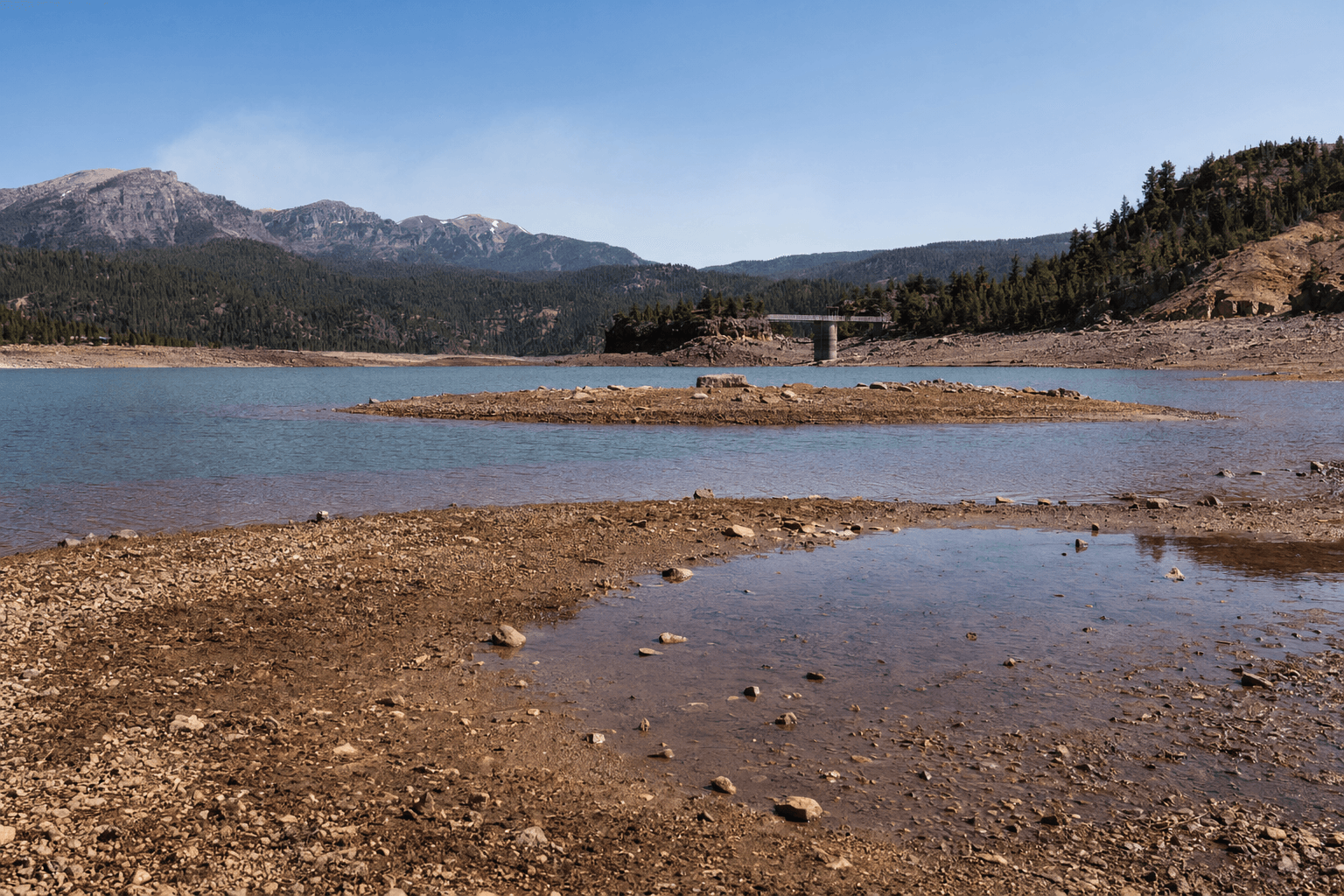
The warning comes against a drought backdrop that is already severe in Dolores County. Drought.gov says 2,064 people in the county are affected by drought, and the county logged the second driest March on record and the 11th driest January-through-March stretch over the last 132 years. The Natural Resources Conservation Service reported on April 9 that statewide snowpack stood at just 22 percent of median, with April through July runoff volumes running well below median across Colorado.
For Dolores County residents, that combination means the first visible consequences are likely to be brown lawns, stressed garden beds and tighter irrigation schedules before summer is over. Farmers and irrigators tied to the Dolores Project have the most at stake, but so do homeowners trying to keep yards alive in Dolores, Cortez and smaller valley communities. Dry ground also raises fire concern, especially if warm, windy weather arrives before runoff improves.
DWCD has cautioned that release and storage figures are provisional and can change with inflow, precipitation, weather patterns and managed release criteria. Last spring, the district said McPhee was releasing about 25 cubic feet per second for the downstream fishery, with flows expected to vary between 10 and 30 cfs through the rest of the 2025 water year, underscoring how carefully the system is already being managed.
The district’s board meets the second Thursday of each month at 3 p.m. at its Cortez office, where the next round of drought decisions is likely to take shape.
This article was produced by Prism’s automated news system from verified source data, official records, and press releases, then run through automated quality and moderation checks before publishing. The system is built and supervised by the people who set the standards it runs under. Read our full AI policy.
Did this article answer your question?