Lemon Reservoir Reaches 82% Capacity, Boosting Southwest Colorado Irrigation Hopes
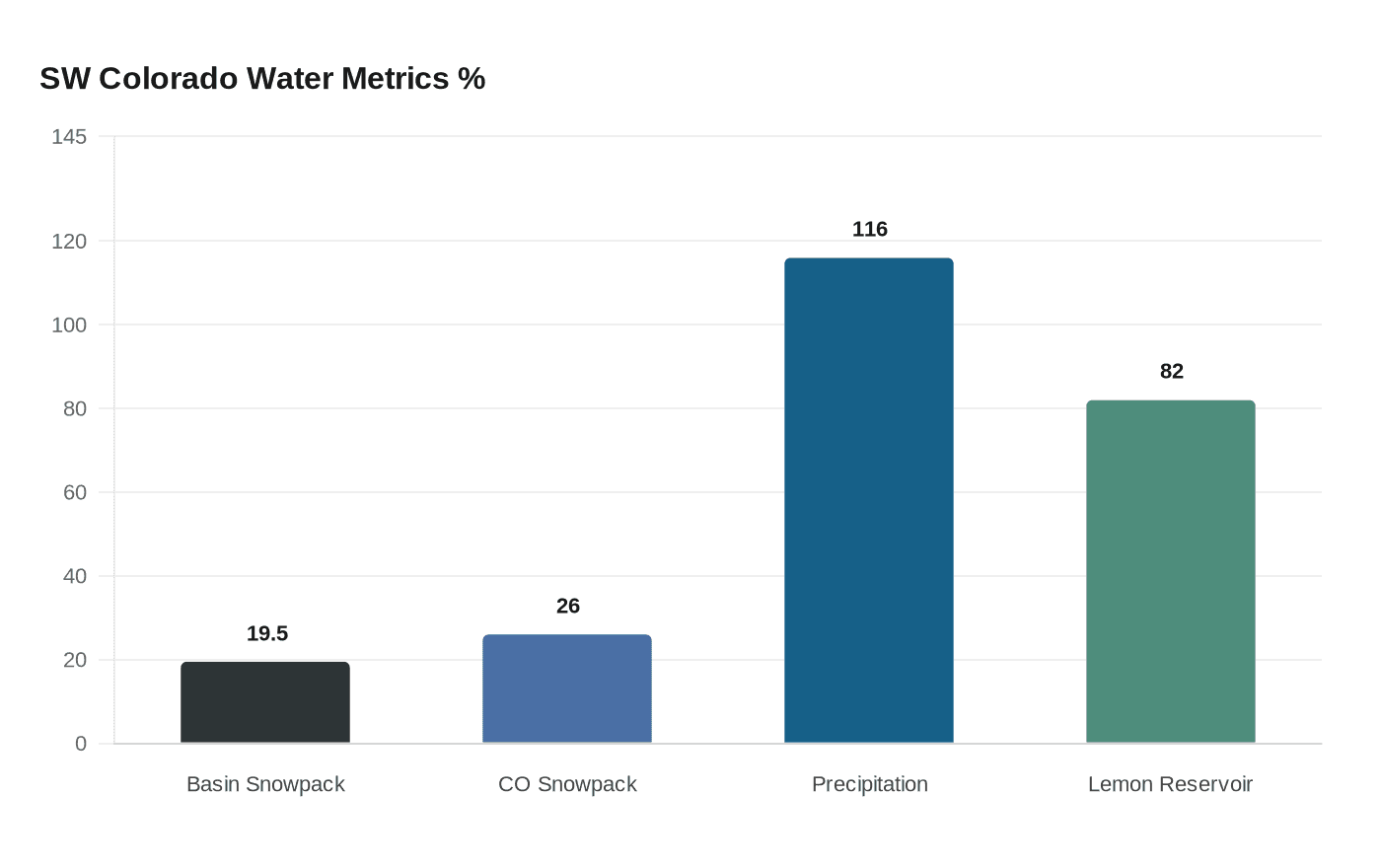
Lemon Reservoir hit 82% capacity on October rain, not snowpack — but with the regional basin at just 19.5% of median snowpack, Dolores County hay producers face a shrinking irrigation window.
The snowpack feeding summer irrigation across Dolores County has collapsed to 19.5% of its historical median in the San Miguel-Dolores-Animas-San Juan River Basin, the lowest reading since statewide measurements began in 1941. Against that backdrop, Lemon Reservoir north of Durango reached 82% of capacity as of April 8, holding 32,740 acre-feet, and the number carries unusual weight for ranchers and hay producers watching the season take shape.
Lemon's relative fullness owes almost nothing to this winter's snowpack. The reservoir, built in 1963 on Hermosa Creek and named for local rancher John Lemon, draws from an Animas River tributary and filled primarily on the back of exceptional October rains. Remnants of two tropical storms tracked into southwestern Colorado that month, driving the region's water-year-to-date precipitation to 116% of median even as warm temperatures kept much of that moisture from accumulating as snow. The 40,146 acre-foot reservoir's 82% storage level is entirely a product of that rain-over-snow dynamic; statewide, the same pattern left Colorado at just 26% of median snowpack heading into April.
For Dolores County producers, the relevant infrastructure runs through McPhee Reservoir, the 381,195 acre-foot centerpiece of the federal Dolores Project that delivers irrigation water to more than 61,000 acres across Dolores and Montezuma counties, including the bean fields around Dove Creek and the hay operations and pastureland that anchor the county's agricultural economy. Lemon feeds the Animas drainage and McPhee captures the Dolores River watershed, but both systems drew from the same October precipitation windfall and absorbed the same catastrophic snowfall deficit this winter.
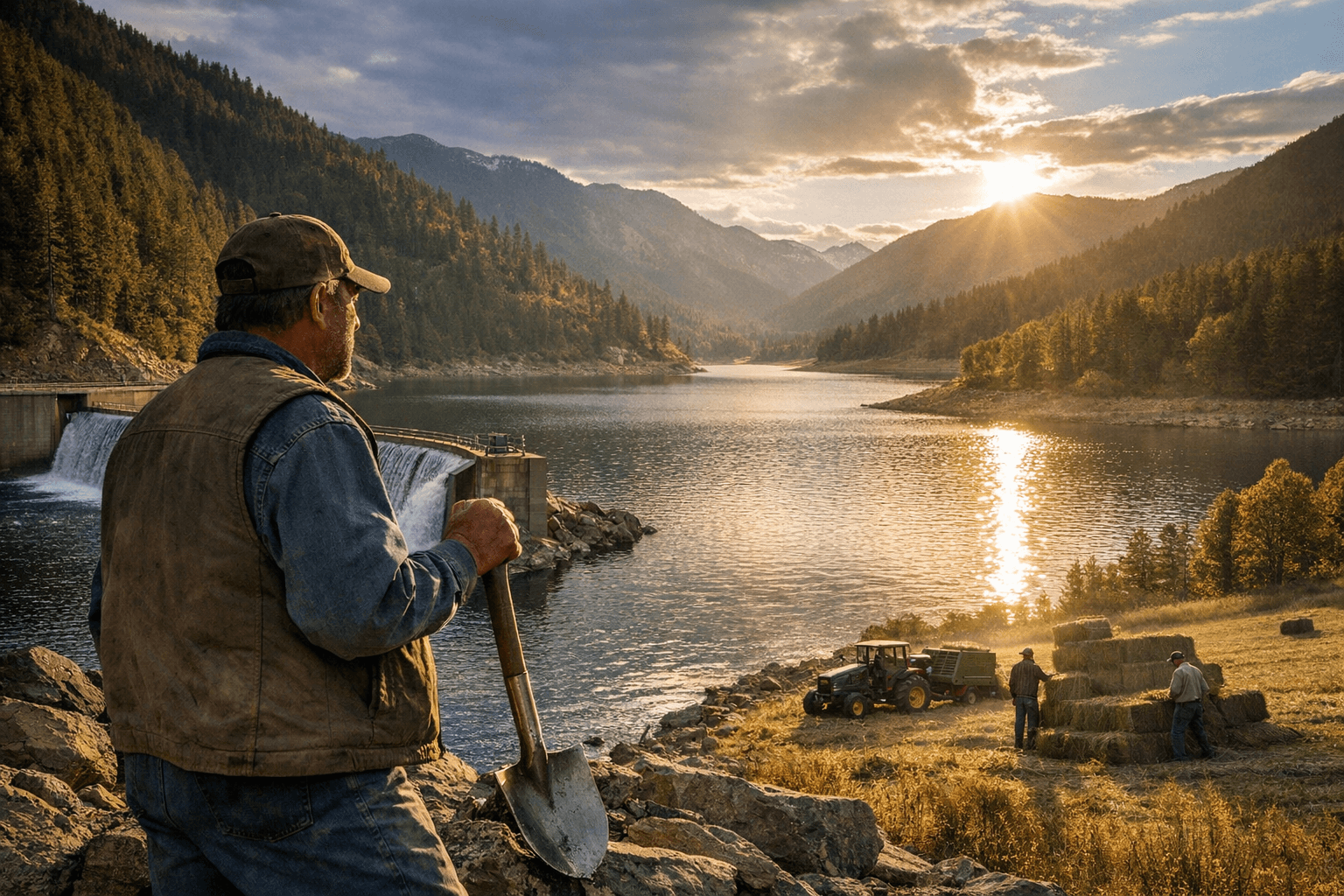
The concrete risk in a low-snowpack year is timing. Mountain snowmelt typically sustains runoff through late June and July, stretching reservoir drawdown across the full irrigation season. Without it, stored water will be pulled down faster and earlier than average. Hay producers who depend on consistent late-summer deliveries for a second cutting face the highest exposure, and irrigation managers across the Dolores Project face an early call: front-load deliveries while current storage holds, or ration water against an uncertain second half of the season.
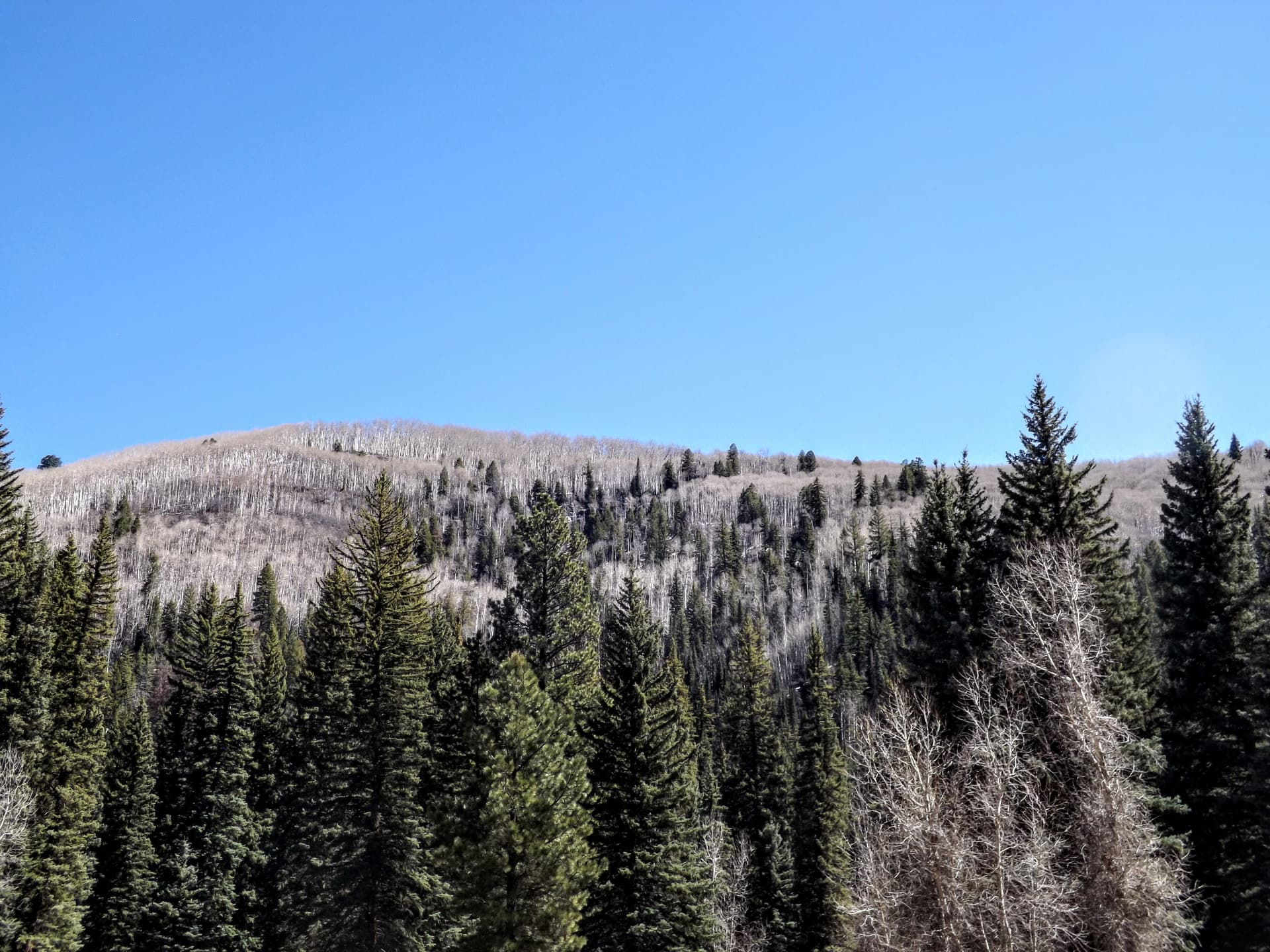
Wildfire risk adds another layer. Low snowpack translates directly to earlier snow-free conditions across Dolores County's forest and grazing land, extending the fire season and threatening the hunting and outdoor tourism economy well before summer peaks.
Lemon Reservoir's 82% reading is genuinely good news in a year when good news is scarce. But with mountain snowpack at its lowest level in at least 85 years, how this season plays out will depend far more on how carefully stored water is managed than on anything the mountains can still deliver.
Sources:
Know something we missed? Have a correction or additional information?
Submit a Tip