New Recreation Guide Aims to Protect Dolores County Tourism, Safety
A newly compiled evergreen recreation guide for Dolores County aggregates federal information on public lands to help residents and visitors plan safe trips and support the local economy. The guide highlights key sites from Dove Creek to Rico, and emphasizes rapidly changing seasonal conditions that affect schools, outfitters, and small businesses.
County officials and recreation partners have created a permanent guide based on Bureau of Land Management, Forest Service, and Colorado Parks and Wildlife sources to give Dolores County residents and visitors one reliable place for public land access, seasonal operations, and safety updates. The resource is meant to serve as an ongoing reference rather than a short-term news story, helping prevent last-minute closures and confusion that can disrupt school activities, health outings, and tourism-dependent businesses.
The guide identifies several core destinations that drive rural recreation and local spending. The Canyons of the Ancients Visitor Center and Museum in Dolores is presented as the region's main archaeological resource and a primary starting point for exploring the Monument. Visitors will find exhibits, interpretive trails including Dominguez and Escalante pueblo sites, and educational programming useful to school groups and cultural tourists. McPhee Reservoir and the McPhee Recreation Complex managed by the San Juan National Forest are highlighted for boating, fishing, group camping and trail access, with a clear note to check Forest Service pages for boat inspection rules and seasonal hours.
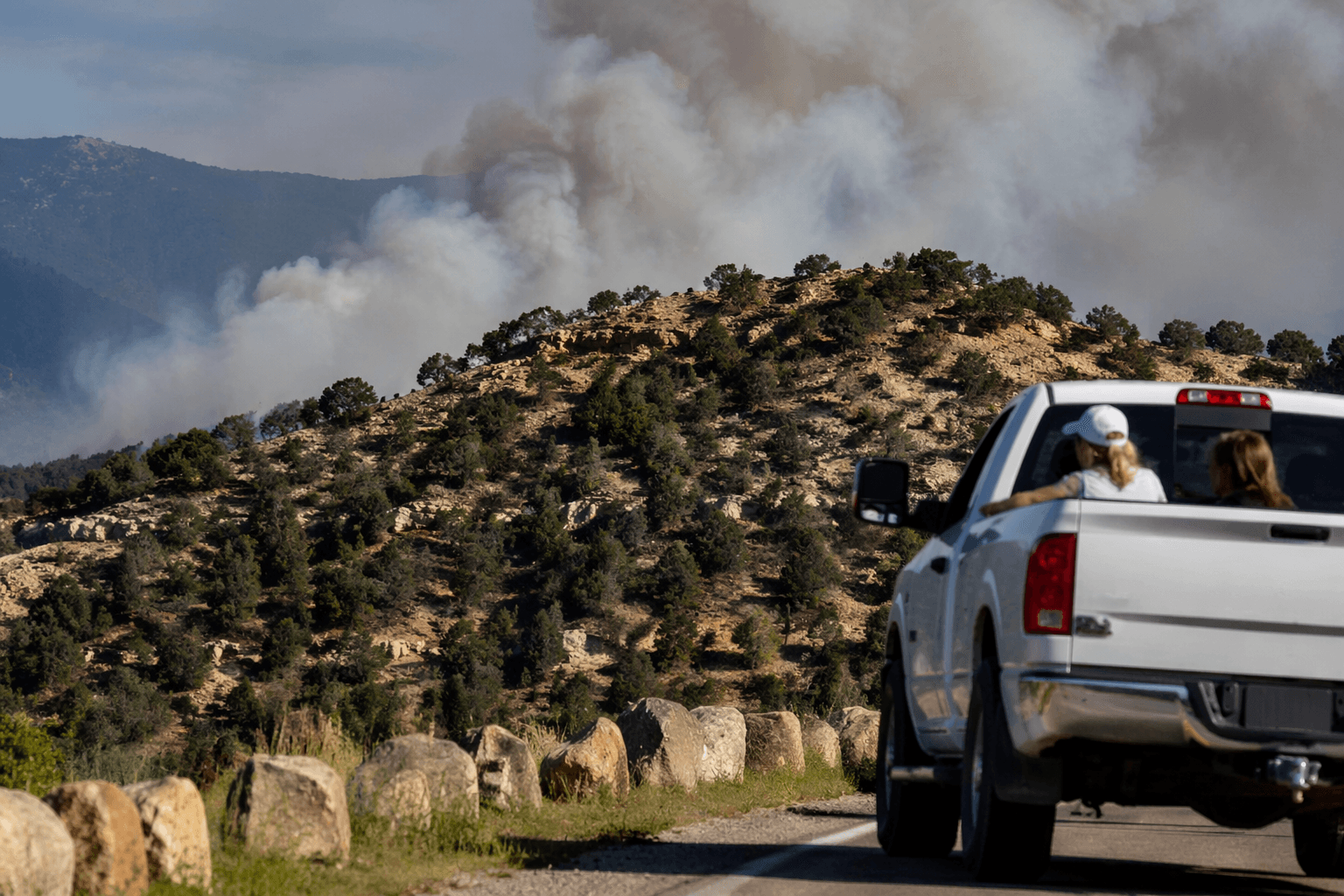
Local waterways and forests are central to the county economy. The Dolores River corridor, with established fishing access, supports local recreation and small business tourism through rafting and fishing outfitters. Access to San Juan National Forest near Rico and the Stoner Mesa and Taylor Mesa country allows dispersed recreation and trail use, but is subject to seasonal closures and restrictions. The guide recommends InciWeb for wildfire closures and for the most current fire incident information.
Historic small town centers including Rico, Dove Creek and Cahone are emphasized as anchors for lodging, dining and community events. The guide advises visitors to consult local chambers and visitor pages for up to date event calendars, lodging options and community gatherings. That practical orientation is aimed at keeping spending local and informing visitors of services that directly support town businesses.
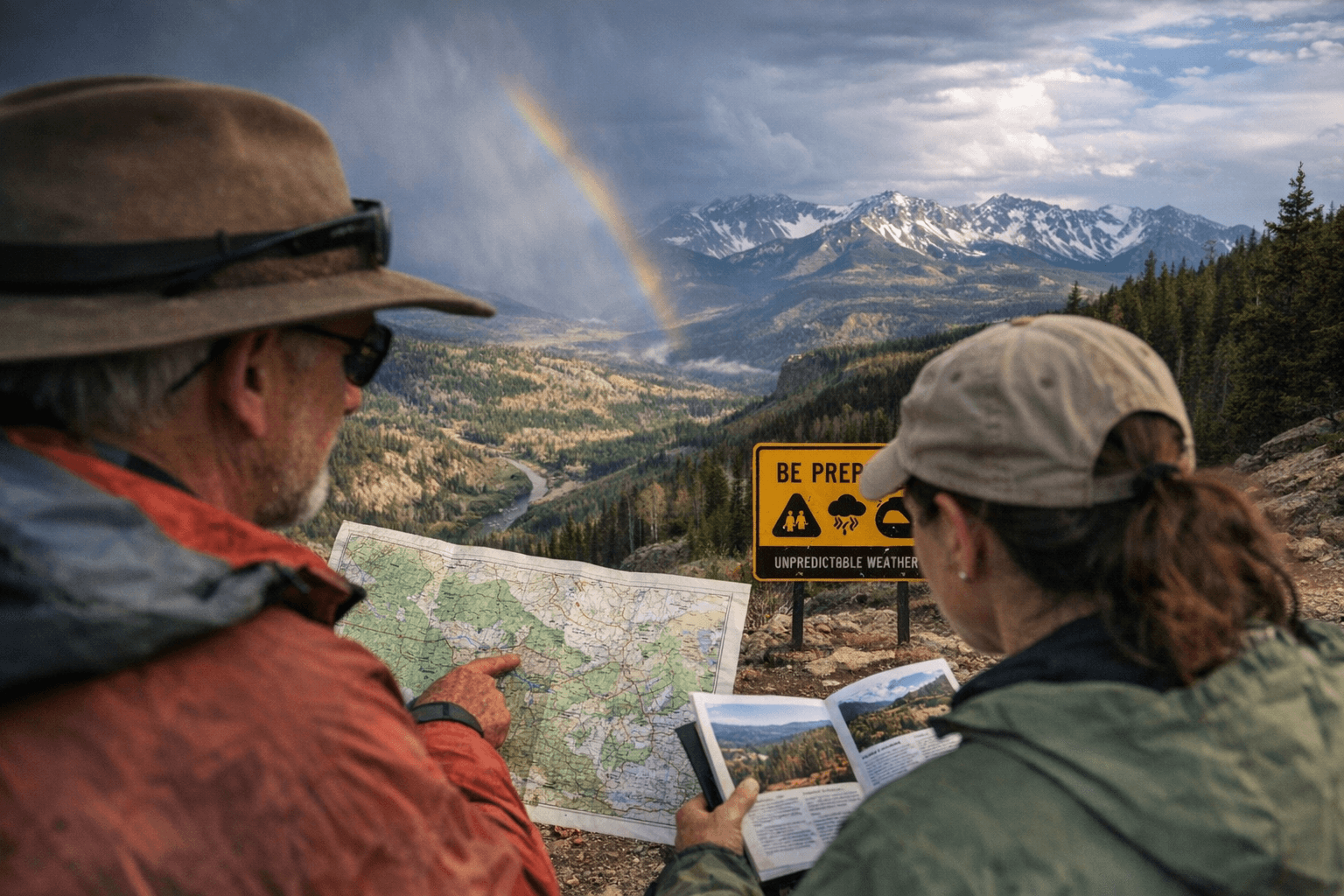
The practical notes section stresses that public land conditions change rapidly with weather, road status and wildfire activity. It reminds users that seasonal operations, road closures and emergency restrictions can alter access without long lead times, and that checking BLM, USFS and CPW pages prior to travel can prevent disruptions to school field trips, outfitter schedules and visitor plans.
For Dolores County, where public lands underpin recreation, education and health activities, the guide offers a centralized way to reduce uncertainty, protect local revenue streams and improve safety. Residents and visitors are encouraged to treat the resource as a living document and to verify conditions through the cited federal portals before heading into the field.
This article was produced by Prism’s automated news system from verified source data, official records, and press releases, then run through automated quality and moderation checks before publishing. The system is built and supervised by the people who set the standards it runs under. Read our full AI policy.
Did this article answer your question?