Southwest Colorado leaders plan regional action against food insecurity
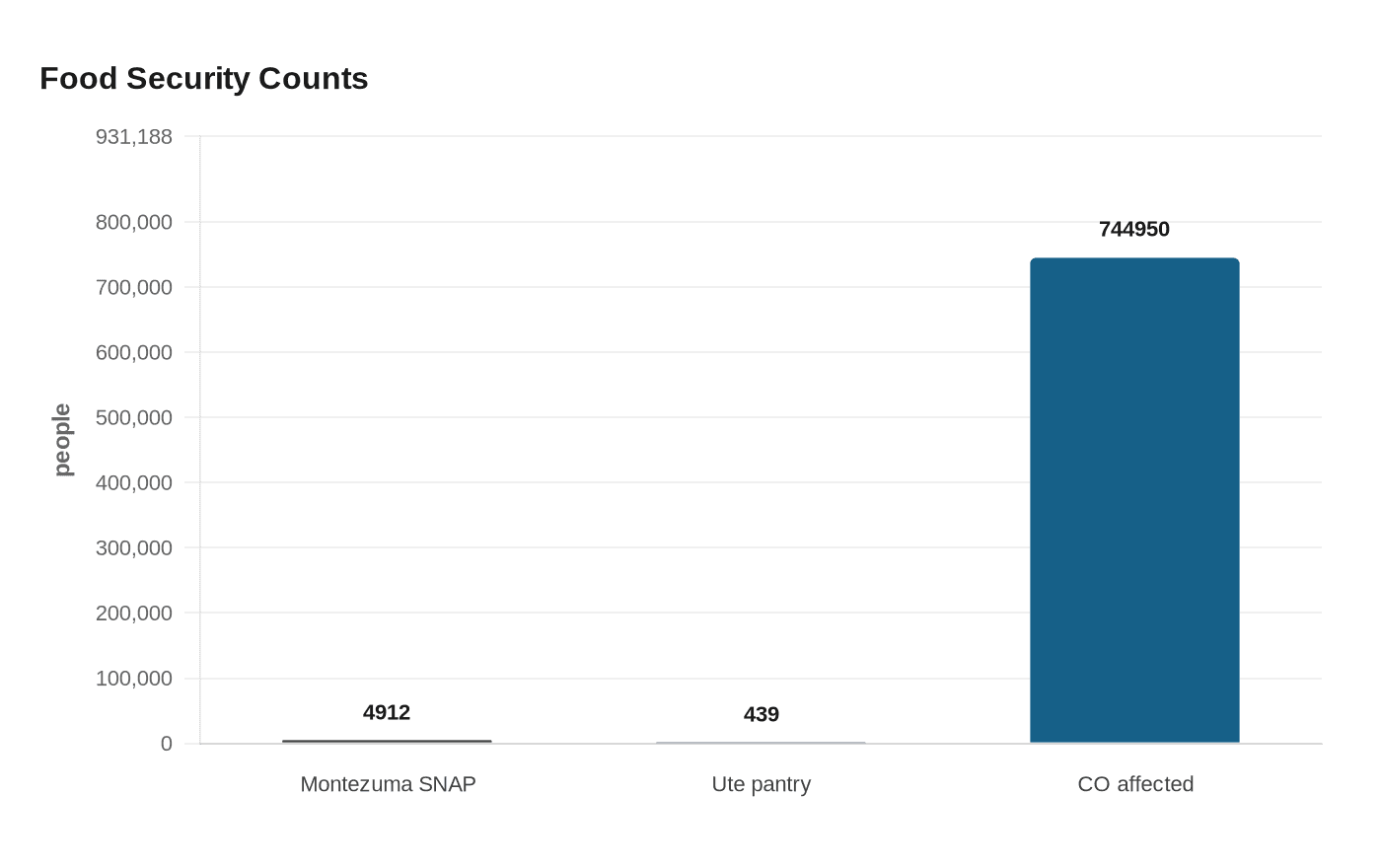
4,912 Montezuma SNAP recipients, a pantry serving 439 people and rising aid barriers pushed southwest Colorado leaders to map a regional hunger response.
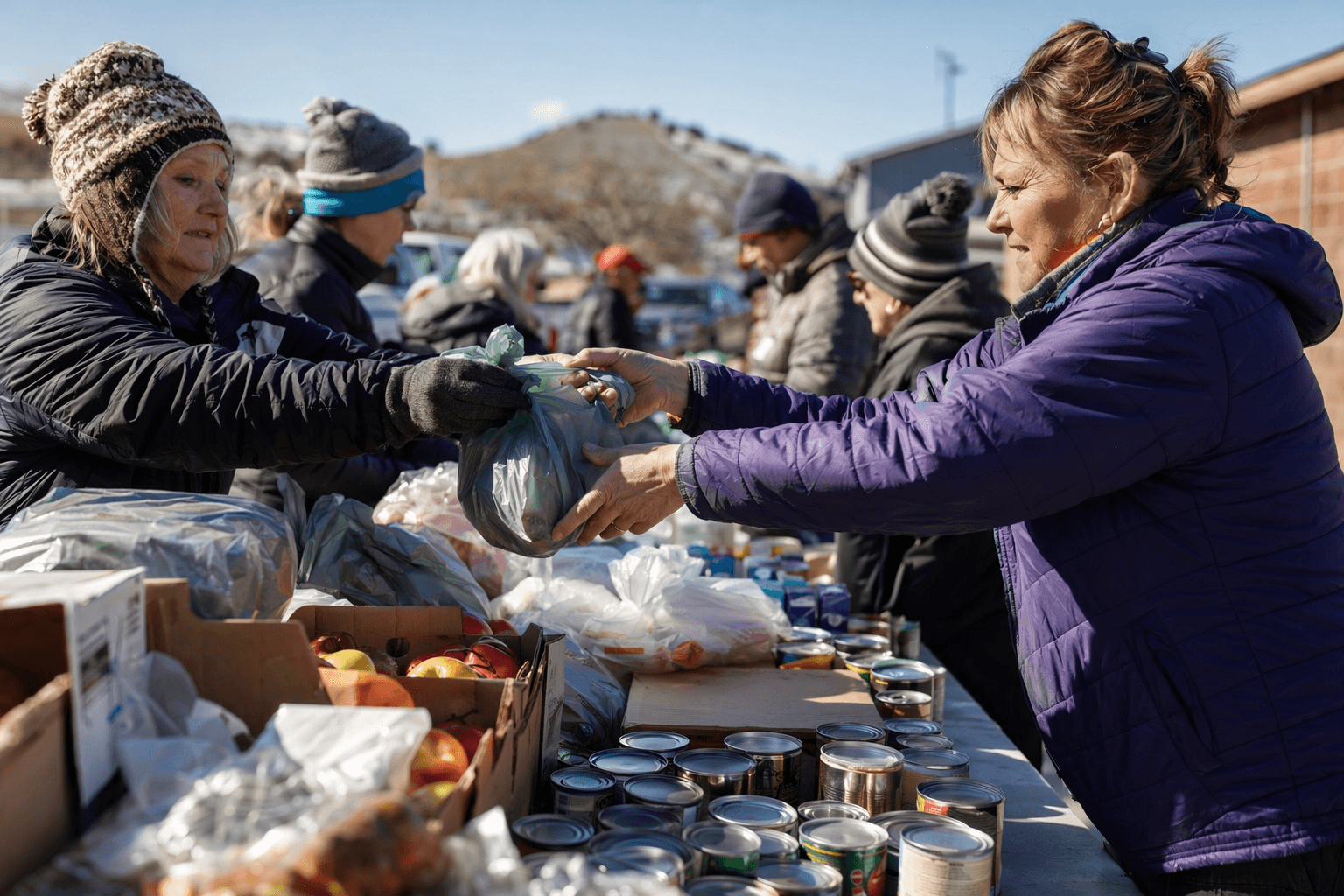
For Dolores County families, the squeeze is getting harder to ignore: food aid is under pressure, pantry demand is rising and the people who grow and distribute food are now sitting at the same table with schools, public health staff and tribal leaders. That urgency was clear at a regional Food Security Day of Action in southwest Colorado, where organizers focused on turning hunger into a coordinated response instead of a series of one-off fixes.
The gathering brought together community leaders, nonprofit organizations, farmers, ranchers, public health staff, local governments and residents from Montezuma and Dolores counties, along with the Ute Mountain Ute Tribal Nation. The goal was to build a shared understanding of food insecurity across county and tribal boundaries and use it to shape a plan for the next one to three years. Alix Midgley, the Good Food Collective’s Rural Food Access Coordinator, is among the local players already working across Montezuma and Dolores counties and on the Ute Mountain Ute Reservation.
The timing matters. In late October 2025, KSJD reported that 4,912 people in Montezuma County were receiving SNAP benefits, a reminder of how many households across the region rely on federal help to keep food on the table. By January 2026, the Ute Mountain Ute Social Services Center’s food pantry had assisted 439 people in one month, showing how quickly need can stack up when support is thin. In April 2026, Colorado groups were already helping eligible families navigate new federal SNAP cuts and requirements, adding another layer of stress for households that can least afford delays or paperwork problems.
The statewide numbers show why local leaders are worried. Colorado’s food insecurity rate was 12.7% in 2023, affecting 744,950 people, with an estimated annual food budget shortfall of $526,425,000 and an average meal cost of $3.73. Feeding America also says nearly 20% of children in the United States experience food insecurity, and more than 80% of counties with the highest estimated child food insecurity rates are rural, which makes a southwest Colorado response especially relevant for Dolores County.
The summit’s focus on data, personal stories and a multi-year action plan suggests organizers are trying to build a stronger regional safety net before another cut, gap or distribution shortage hits. Tools like USDA’s Food Access Research Atlas can help map where store access is limited, but the more immediate work is practical: better coordination among food pantries, schools, public health agencies, farmers, ranchers and tribal partners so families in Dolores County are not left to piece together help on their own.
This article was produced by Prism’s automated news system from verified source data, official records, and press releases, then run through automated quality and moderation checks before publishing. The system is built and supervised by the people who set the standards it runs under. Read our full AI policy.
Did this article answer your question?