Bear struck and killed in Lone Tree crash, driver unharmed
A one-year-old bear was hit near Yosemite Street and Heritage Hills Parkway in Lone Tree, then died. Police said the driver was unharmed and lanes reopened.
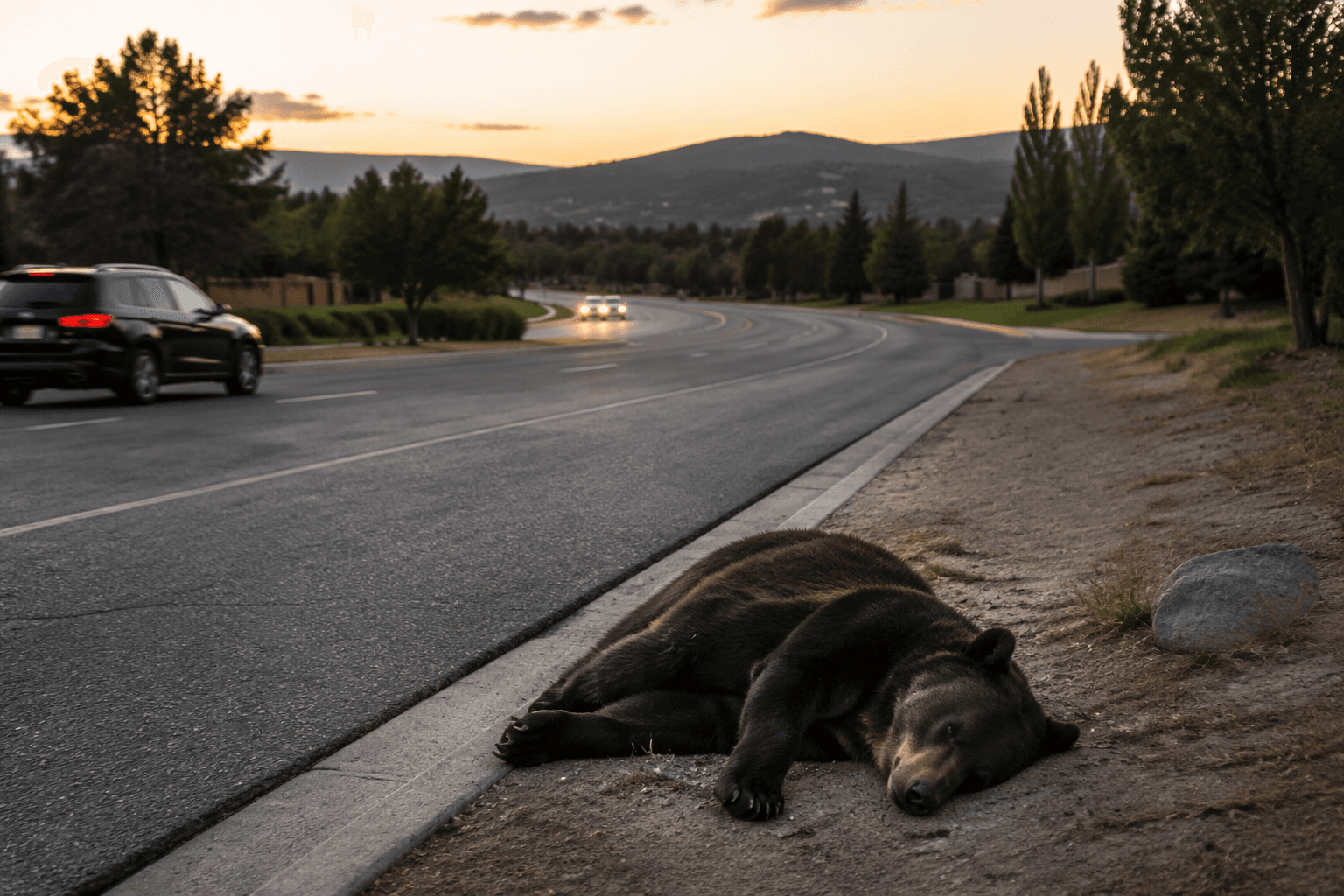
A bear moving through a Lone Tree neighborhood corridor was struck by a vehicle near Yosemite Street and Heritage Hills Parkway, a crash that drew Colorado Parks and Wildlife and local police to the scene and left the driver unharmed. The animal was injured in the collision and later died, underscoring how often Douglas County’s suburban edges overlap with wildlife movement.
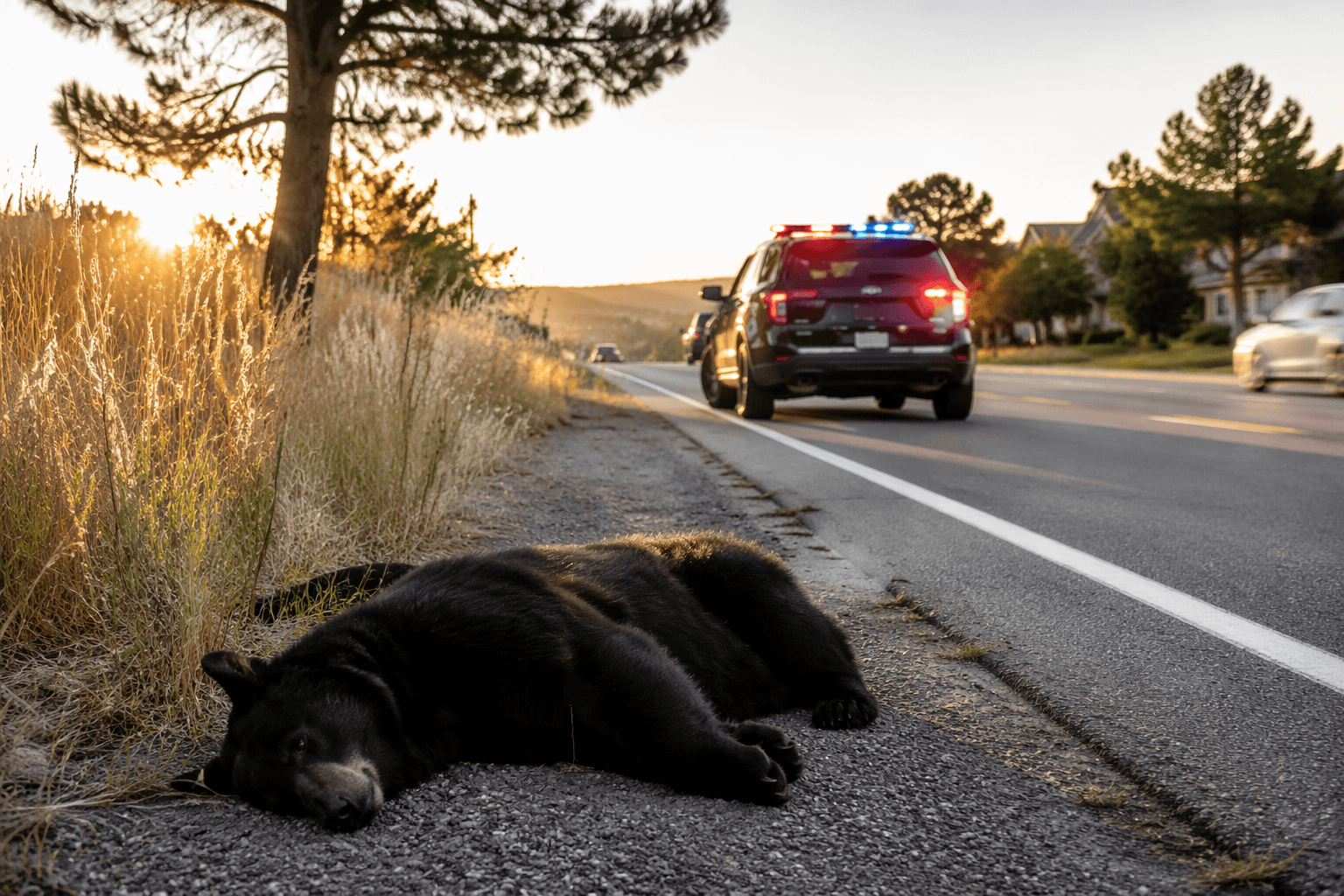
The Lone Tree Police Department said the bear was hit Wednesday morning near Yosemite Street and Heritage Hills Parkway. CBS Colorado reported the animal was a one-year-old bear and that the crash happened around 8:30 a.m. City of Lone Tree officials later said all lanes of Yosemite were open after the incident, while Colorado Parks and Wildlife had the bear in its care during the response.
The crash fits a familiar pattern for Lone Tree, where the city’s wildlife materials say black bears regularly show up in neighborhoods, often near trash containers, bushes and local streets. One city community page describes those encounters as a seasonal reality, with bears rummaging through trash, nesting in shrubs or simply passing through. In a city built out along busy arterials and residential pockets, those movements can put bears and drivers on the same pavement at the same time.
Colorado Parks and Wildlife estimates that 17,000 to 20,000 black bears live in Colorado. The agency says black bears lived in the foothills and forests long before modern development and that encounters rise as more people live in bear country. In Lone Tree, that broader state trend shows up in a very local way: on neighborhood roads, near the trash bins and landscaping that can draw bears out of cover and toward traffic.
For drivers in Lone Tree and nearby Douglas County neighborhoods, the immediate lesson is to slow down and stay alert on roads that cut through open space, brush and residential areas, especially around dawn and early morning when wildlife can move unexpectedly. For residents, the city’s own wildlife guidance points back to the biggest attractants around homes: unsecured trash and other food sources that can pull bears closer to streets and driveways.
This article was produced by Prism’s automated news system from verified source data, official records, and press releases, then run through automated quality and moderation checks before publishing. The system is built and supervised by the people who set the standards it runs under. Read our full AI policy.
Did this article answer your question?