Castle Pines upgrades water system for growth, output to reach 7 million gallons
Castle Pines is spending money now to lift water output to 7 million gallons a day, with rates and bonds helping pay for a system built for full build-out.
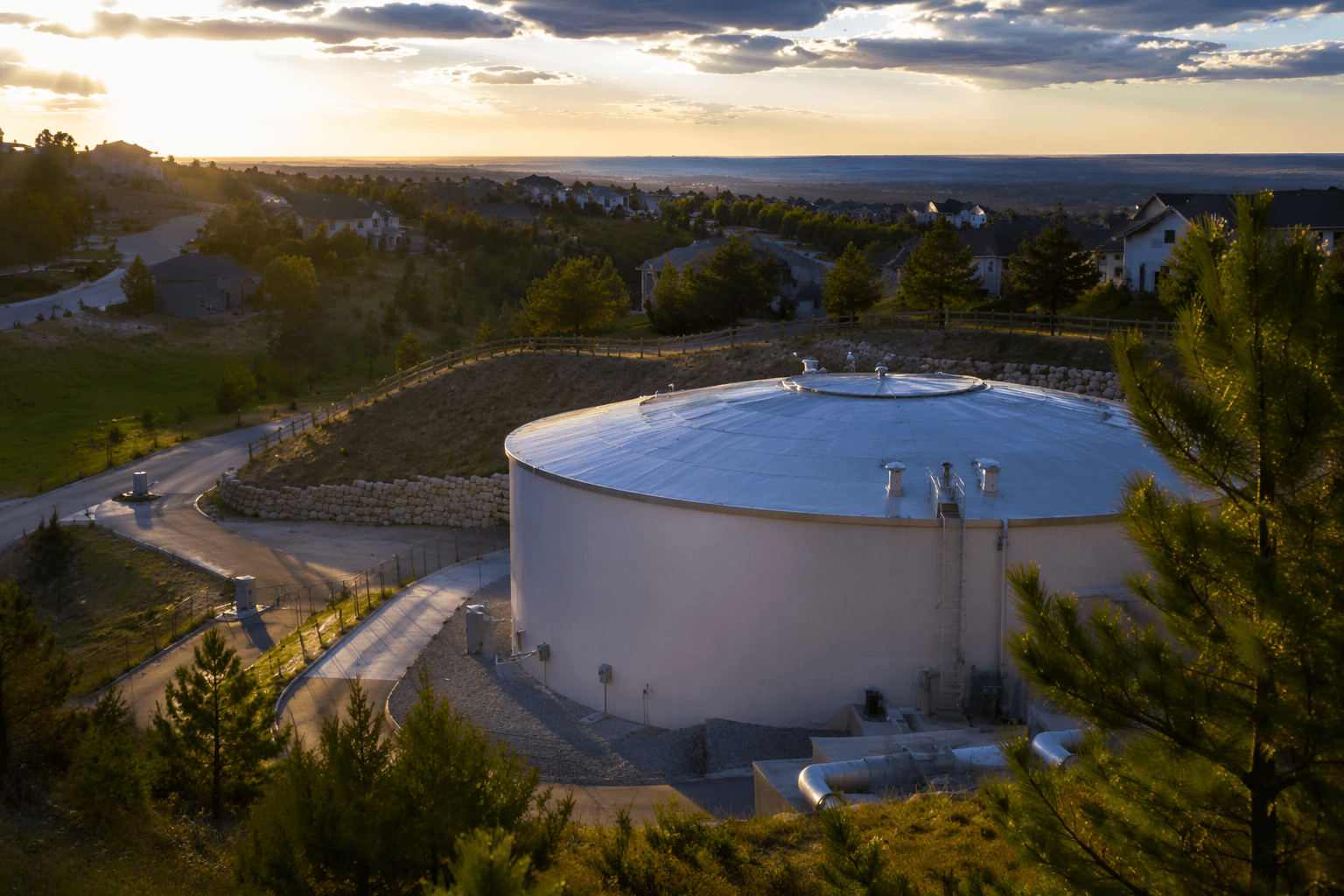
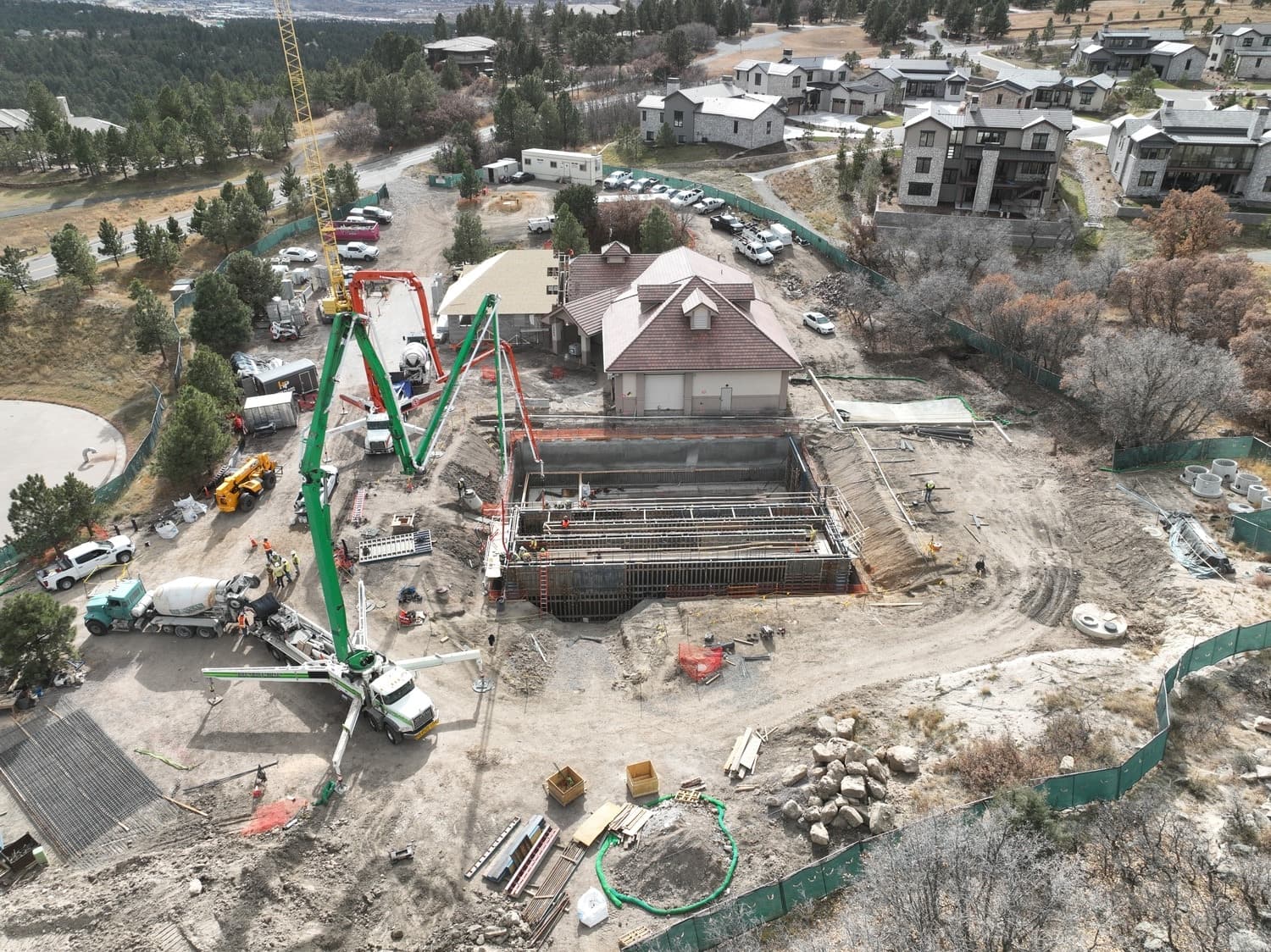
Castle Pines is betting that its next phase of growth will outpace today’s water system unless the town keeps expanding storage, treatment and funding at the same time. In The Village at Castle Pines, the district is rebuilding and enlarging its water treatment plant from 3 million gallons a day to 7 million, a jump designed to carry the community toward full build-out and give it more room for peak summer demand.
The project is not a short-term patch. District officials say construction is underway and is scheduled for completion in fall 2026. The upgrade includes building expansions, site improvements and utility work, along with modernization of aging equipment that has been in service for decades. A new 2 million gallon storage tank near Country Club Drive and Northwood Lane is part of the same push, and planning for that tank began in 2016 before the district secured $25 million in bond funding in 2022.
The price tag is being spread across current customers. Water rates changed beginning Jan. 1, 2026, including a $10 monthly increase to the capital improvement fee that helps pay for the treatment plant upgrade and the new tank. District officials say those changes support about $30 million in water investments, while monthly base rates stayed flat. That means residents are helping pay now for a system meant to stay ahead of future building, fire protection needs and long-term reliability.
The bigger question for Castle Pines is whether those upgrades buy real drought resilience, or mainly more room for growth. The district still depends on nonrenewable groundwater in the Denver Basin aquifers beneath its land and currently operates 13 wells feeding treatment facilities with about 5 million gallons of daily capacity. Even so, the district says it is already making up to 7 million gallons possible because the community is approaching full build-out.
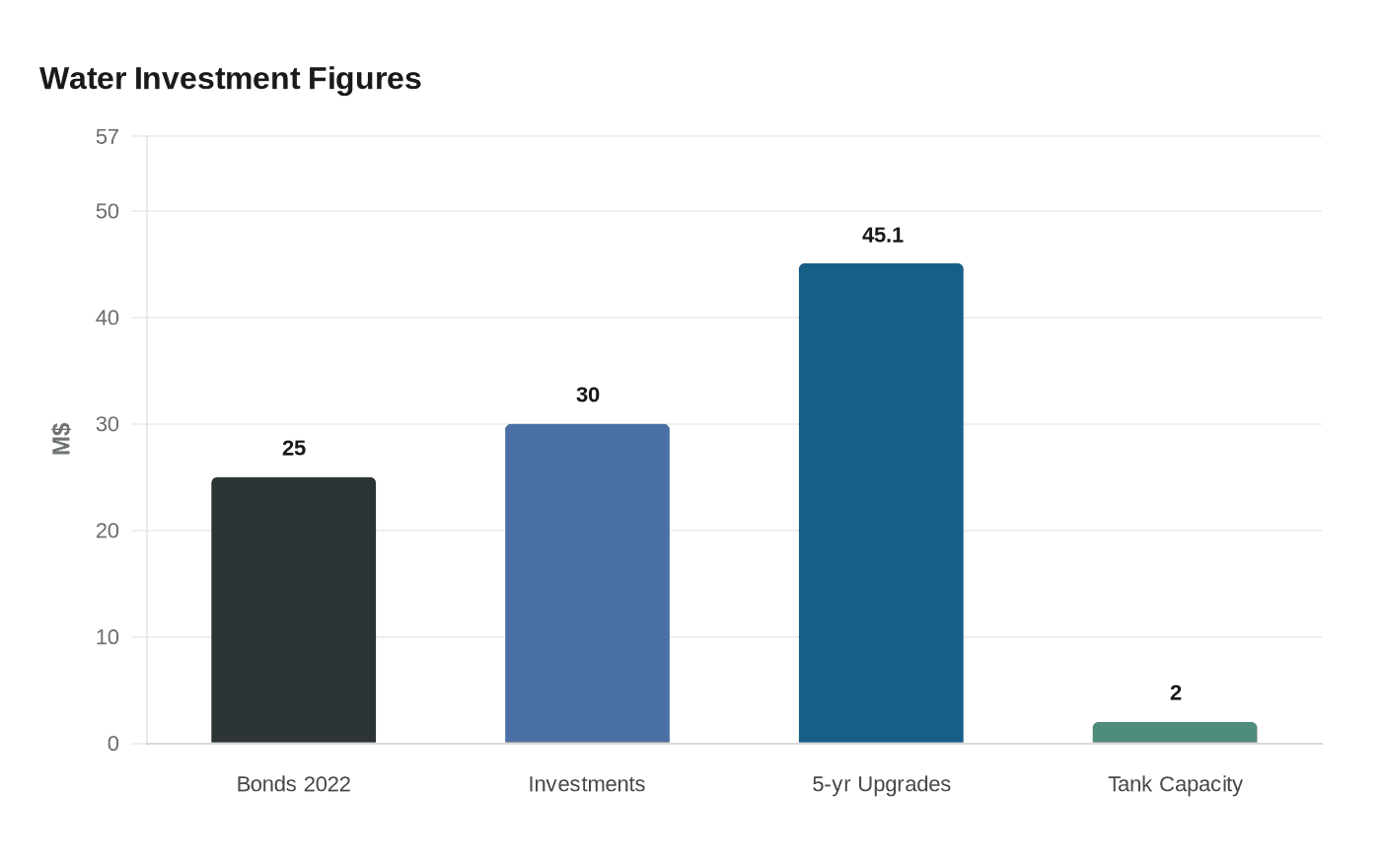
The pressure is not uniform across town. Water service is split by Interstate 25, with east-side residents and businesses served by Parker Water & Sanitation District and west-side customers served by Castle Pines North Metropolitan District. On the west side, the district says its treatment plant averages 2 million gallons a day and can reach 4 million to 4.5 million gallons in peak summer months, against a current 5 million gallon capacity. Its 2025 rate study points to $45.1 million in upgrades, repairs and replacements over the next five years, funded through water rates and new customer tap fees, a sign that Castle Pines is still racing to stay ahead of demand rather than catching up after shortages hit.
This article was produced by Prism’s automated news system from verified source data, official records, and press releases, then run through automated quality and moderation checks before publishing. The system is built and supervised by the people who set the standards it runs under. Read our full AI policy.
Did this article answer your question?