Castle Rock declares voluntary drought stage, protects brown lawns
Brown grass could be protected from HOA fines in Castle Rock as the town asks water customers to cut use by 10% under a voluntary Stage 1 drought declaration.
Castle Rock is trying to spare homeowners a second hit in drought season: brown or dormant lawns may soon be off-limits for HOA and metro district enforcement, even as the town asks every Castle Rock Water customer to cut usage by 10%.
Town Council approved the voluntary Stage 1 drought declaration on May 19 and advanced an ordinance that would block common-interest communities from issuing violations for turf that goes brown or goes dormant during an officially declared drought stage. If the measure clears its second reading on June 2, residents who follow town watering rules would not have to fear landscaping penalties from another layer of private enforcement.

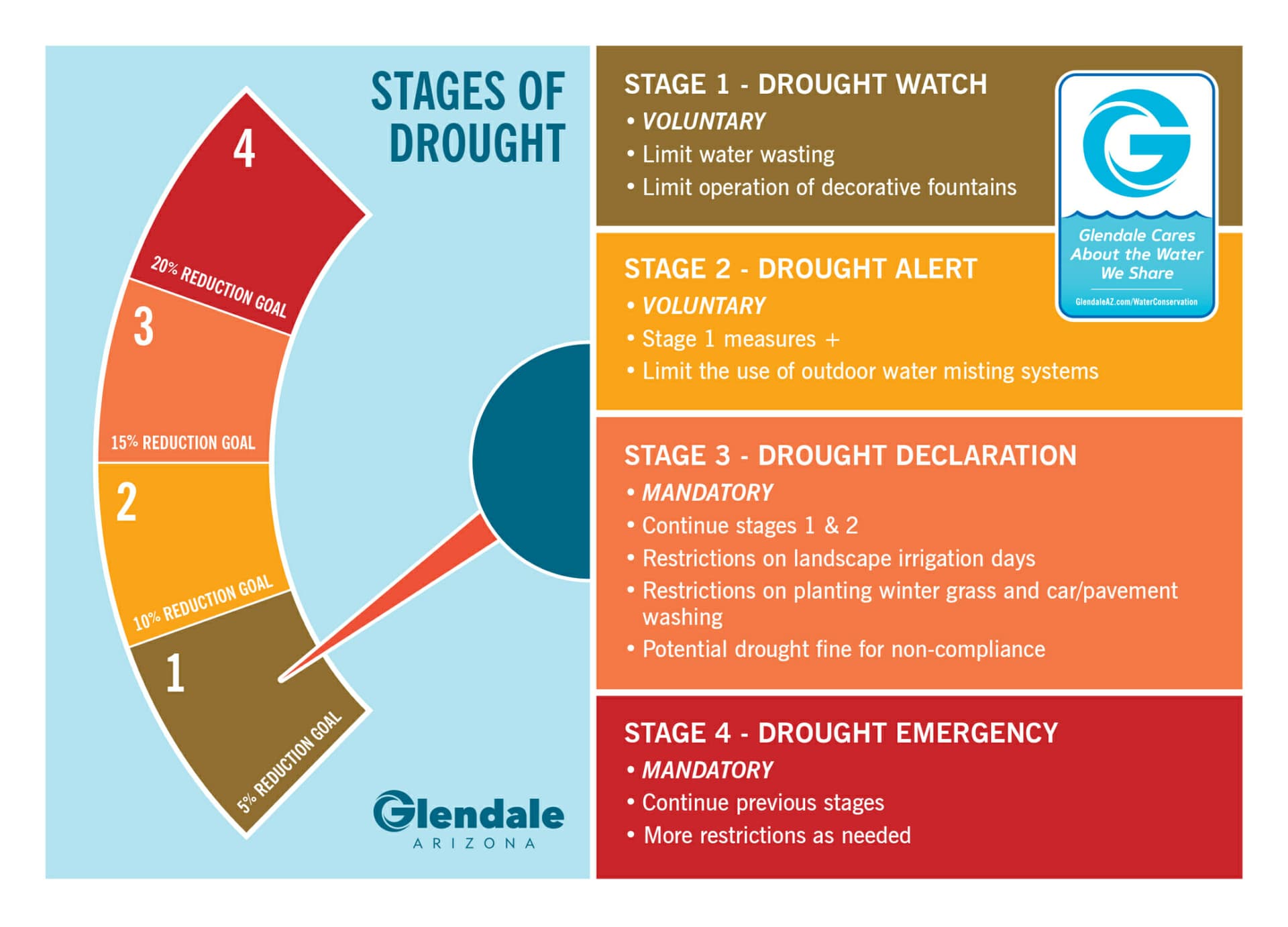
The town said the declaration was driven by ongoing dry conditions, below-average snowpack, higher temperatures and rising water demand. Castle Rock says storage remains stable, but regional drought conditions have increased the risk to near-term renewable water supply reliability, a warning that pushed officials to act before summer conditions worsen. The declaration is advisory, not mandatory, but the town said it is meant to reduce demand by about 10%, raise public awareness and preserve flexibility if weather continues to trend dry.
Castle Rock’s Drought Management Plan lays out five stages, and the town says Stage 1 is meant to be an early, proactive step rather than a punitive one. That approach fits a system where water conservation has long been part of daily operations. Castle Rock Water says it has used mandatory water demand management for landscape irrigation since 1985, and the town’s broader planning documents tie water-use rules to its Landscape and Irrigation Criteria Manual, Water Efficiency Master Plan and drought plan. The town also says commercial and nonresidential customers make up less than 10% of the customer base but account for about 30% of water consumption, underscoring how much conservation can hinge on a relatively small slice of users.
The supply picture is rooted in East Plum Creek, where renewable water depends on snow and rain to refill the system. That dependence helps explain why Castle Rock moved now, while state and regional drought indicators are still flashing concern. Colorado’s drought task force was activated on March 16, 2026, and state agriculture officials have described conditions as severe, citing unprecedented low snowpack and high temperatures. In Douglas County, where irrigation season often collides with neighborhood expectations for green lawns, Castle Rock is choosing to defend brown grass before the rules get stricter.
Know something we missed? Have a correction or additional information?
Submit a Tip