Castle Rock launches wildlife series on local animals and ecosystems
Castle Rock launched Animals Around the Rock to teach residents about raptors, bats, reptiles and insects sharing local open space. One raptor program was set for Philip S. Miller Park, with dogs barred to protect the birds.
Castle Rock rolled out Animals Around the Rock to help residents better understand the animals living over, under and around town, from raptors and reptiles to bats, insects and other species. The series paired the Town of Castle Rock with Douglas Land Conservancy, Nature’s Educators and Rocky Mountain Wildlife Alliance, bringing together wildlife experts, organizations and rehabilitators for programs built around local ecosystems.
The town said the sessions were designed to explain what the animals eat, how they hunt, where they live and how they benefit the landscape around Castle Rock. That practical focus mattered in a fast-growing community where open space, trails and neighborhoods meet, and where knowing how wildlife behaves can reduce unnecessary conflict.
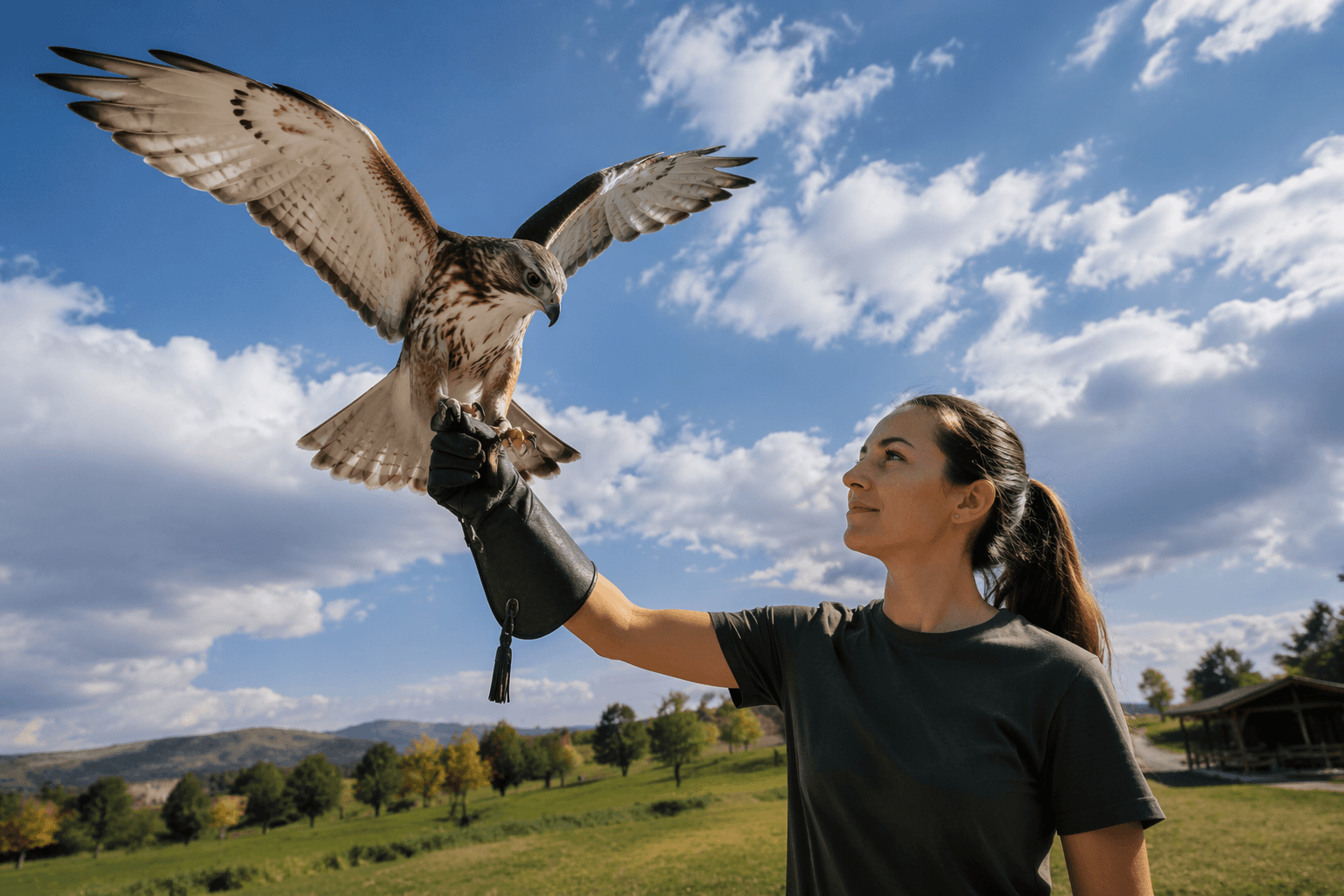
One of the featured programs, Raptors Over the Rock, was scheduled for Tuesday, July 8, 2025 at 6 p.m. at Philip S. Miller Park, with a rain date set for Tuesday, July 15. The town said dogs were not allowed at the raptor event in order to reduce disturbance to the birds.
Another session, Batty About Castle Rock, carried a limit of 80 participants and was recommended for ages 8 and up. Douglas Land Conservancy suggested donations of $10 per person or $20 per family for the series, keeping the program accessible while supporting the conservation partner behind it.
The effort fit into a larger local context. Douglas County says its Division of Open Space and Natural Resources protects more than 65,000 acres of open space, land that supports wildlife habitat as well as trails, historic sites and scenic views. Castle Rock’s own Wild in Our Town programming has long followed the same theme, with partners including Colorado Parks and Wildlife, Douglas County Open Space and Rocky Mountain Wildlife Alliance and topics that have included coyotes, bears, deer, mountain lions, bobcats, rattlesnakes, prairie dogs, beavers and turkeys.
Taken together, the programs showed how Castle Rock is treating wildlife education as a public-safety and stewardship issue, not just a nature lesson. For residents who live near open space or spend time on local trails, the message was direct: the town’s animals are part of everyday life, and learning how they live is part of living here well.
This article was produced by Prism’s automated news system from verified source data, official records, and press releases, then run through automated quality and moderation checks before publishing. The system is built and supervised by the people who set the standards it runs under. Read our full AI policy.
Did this article answer your question?