Douglas County Announces Holiday DUI Crackdown, Patrols Increased Through New Year
On December 29 Douglas County law enforcement announced an intensified holiday enforcement effort targeting impaired drivers, with the sheriff and district attorney urging residents to plan sober rides and report suspected impairment. The move aims to reduce crashes and hold offenders accountable, while raising questions about warrant practices and calls for transparency on enforcement outcomes.
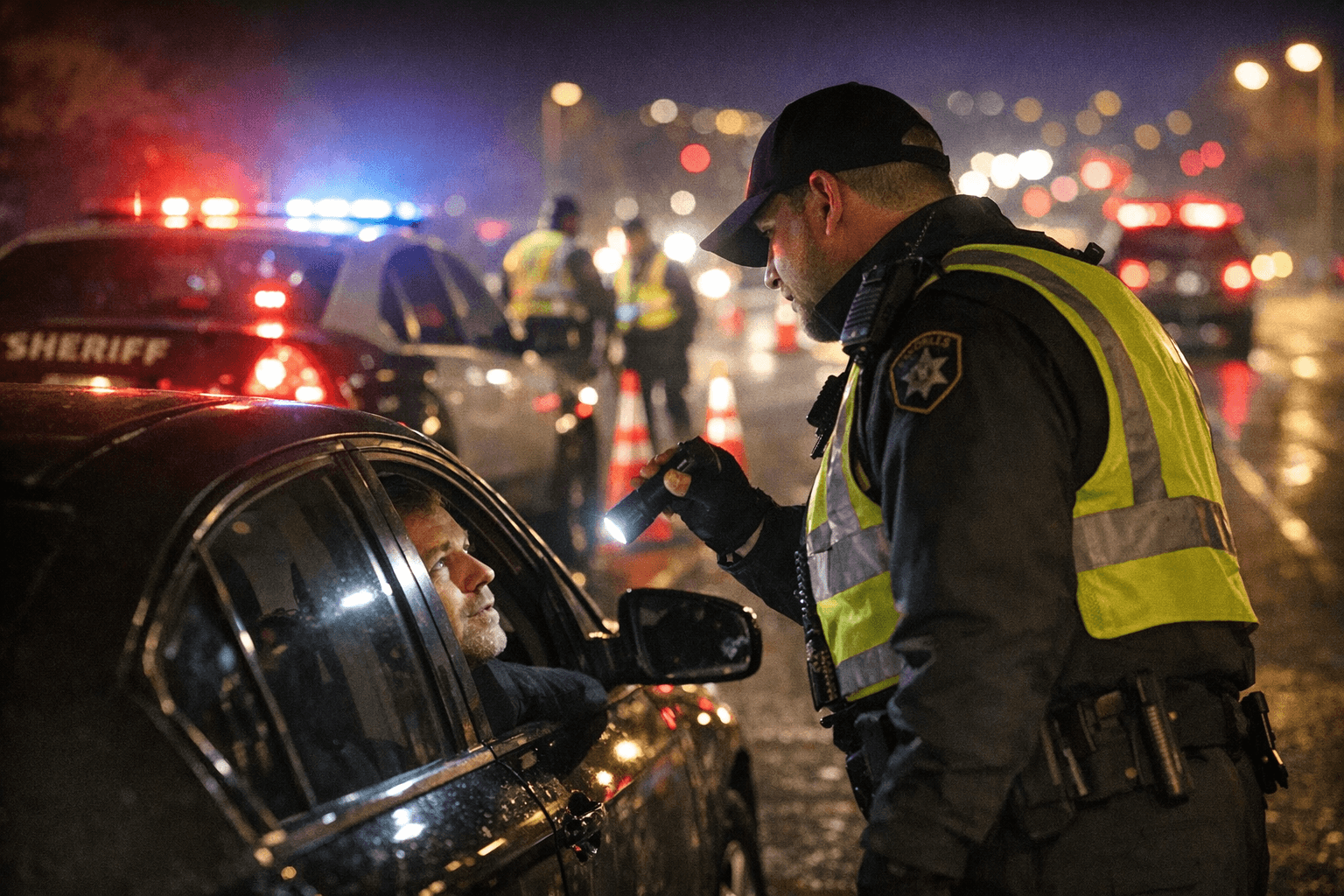
On December 29 Douglas County Sheriff Darren Weekly and District Attorney George Brauchler announced a holiday crackdown on driving under the influence, saying the sheriff's office would increase patrols through the New Year and focus on identifying and stopping impaired drivers. The announcement emphasized targeted enforcement by the Traffic Unit and patrol deputies, and reminded residents that DUI arrests and chemical test refusals carry legal consequences.
The sheriff framed the operation as both a safety measure and a prosecutorial priority, stating, "Impaired driving will not be tolerated in Douglas County. Our Traffic Unit and Patrol Deputies are leading the state in holding offenders accountable. If someone refuses a chemical test, we will seek a warrant and go the extra mile to get the evidence needed to keep impaired drivers off our streets. Thanks to the 23rd Judicial District Attorney's Office, offenders face real consequences." That language signals coordination between the sheriff's office and the 23rd Judicial District Attorney's Office to ensure cases are pursued aggressively.
For local residents the announcement carries immediate practical implications. Increased patrols are intended to deter impaired driving and reduce the risk of holiday crashes, a period that traditionally sees higher rates of alcohol related incidents. The release also urged use of sober ride options and responsible planning at gatherings, and included contact and resource information for reporting suspected impaired driving. Those details are intended to help the public participate in enforcement and public safety efforts.
The enforcement approach raises policy and civil liberties considerations that merit public attention. The sheriff's statement made explicit that deputies will seek warrants when drivers refuse chemical testing. That practice has legal and constitutional contours, and it places emphasis on how warrants are sought and documented, how frequently they are issued, and how results are used in prosecution. Residents and policymakers may seek data on stops, warrant requests, test results, demographic patterns, and case outcomes to assess whether enforcement is effective and equitable.
Accountability and transparency will be important as the operation unfolds. Tracking crash rates, DUI arrests, and prosecutorial decisions through the holiday period will show whether the increased presence led to measurable safety gains. Voters and civic groups who follow local law enforcement policy may wish to request public records or attend future county meetings to review outcomes and ensure that enforcement practices align with community priorities. In the short term residents should expect a visible law enforcement presence on roadways and are advised to arrange sober transportation and report impaired driving when observed.
This article was produced by Prism’s automated news system from verified source data, official records, and press releases, then run through automated quality and moderation checks before publishing. The system is built and supervised by the people who set the standards it runs under. Read our full AI policy.
Did this article answer your question?