Douglas County assessor says homeowners face tax bill shock after relief expires
Colorado property tax relief that temporarily shaved $55,000 off residential valuations expired, boosting taxable values and leaving many Douglas County homeowners with bigger bills.
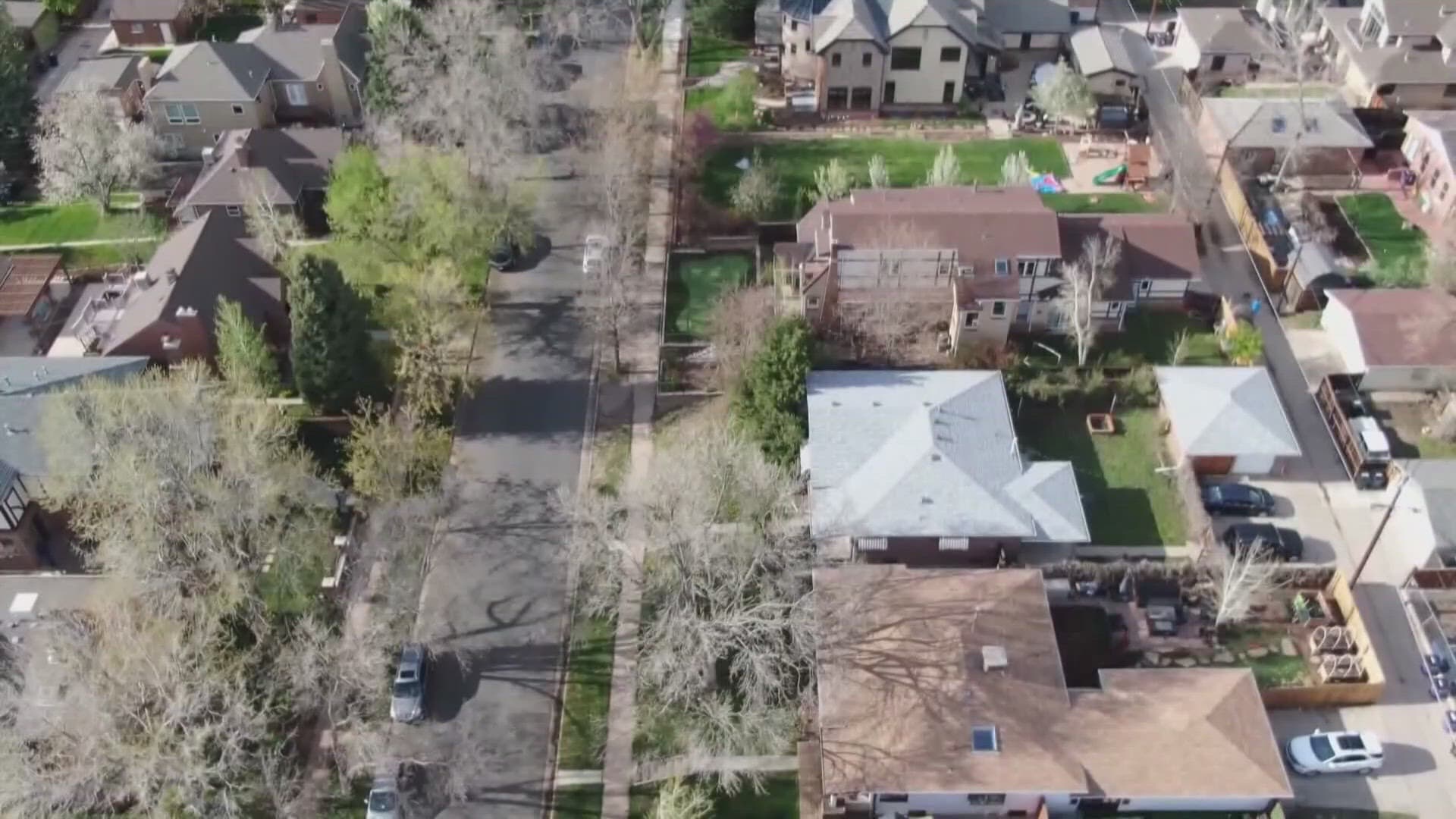
Douglas County homeowners are seeing higher property tax bills after a temporary $55,000 residential valuation reduction expired for the 2025 assessed year, payable in 2026. The removal of that discount, combined with a new split assessment-rate calculation, means taxable values rose for many homeowners even when county appraisals stayed the same.
Douglas County Assessor Toby Damisch said the effect is automatic when the old discount is removed. “If your value remained flat for the '25 reappraisal, meaning the assessor didn't change it, in a way it automatically increased for property tax purposes by $55,000 because that value got put back on for this year,” Damisch said. Damisch acknowledged the messaging challenge. “It's a tough story. We haven't known how to communicate it.”
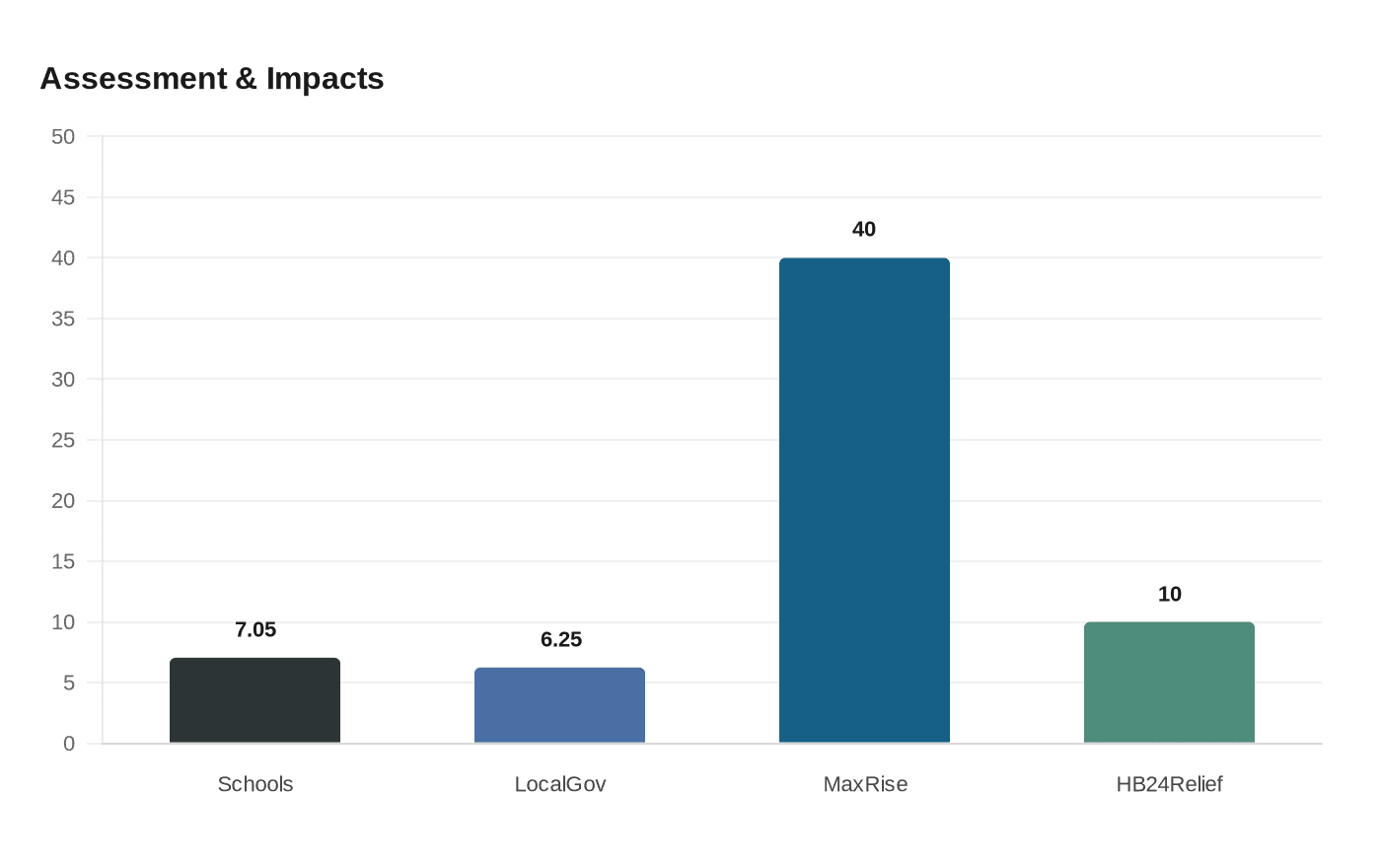
How the math changed: lawmakers expanded a short-term reduction in 2024 to $55,000 under what sources refer to as SB24-233. That discount expired on Jan. 1 for the 2025 assessment year. At the same time the state implemented a split residential assessment-rate system for 2025 that applies one rate to school funding and another to other local services - a split that in reporting was expressed as 7.05% for schools and 6.25% for other local governments. Damisch summarized the practical result: “Now instead of paying one assessment rate for homeowners, we're paying one for education and another for everything else.”

Impacts are uneven across Douglas County. Neighborhoods such as Stonegate saw tax bills fall where metro district or bond payoffs removed local levies; Damisch noted those homeowners “have property bills that you're probably not hearing about that are going the other direction.” Manufactured-home owners face some of the largest percentage changes. A repeated example shows a manufactured home with a $100,000 value paying roughly $275 in 2024 and about $550 in 2025 after the $55,000 discount was removed.
Nearby communities show similar volatility. Reporting from Longmont found median home value of $564,900 with a median tax bill of $2,767 and warned that some 2025 bills may be up to 40% higher depending on market and prior valuation. Boulder County issued guidance titled “Property Tax Update: End to 2024 Relief, New Bill Format” on Jan. 28, 2026, explaining the end of the $55,000 reduction and the new two-rate bill format.
Options for homeowners include appealing the assessor’s appraised value and enrolling in the state tax-deferral program, now handled through county treasurers after SB25-261. Applications for deferral are accepted from January through mid-March for taxes due that year. Boulder County lists its treasurer contact for deferral applications as phone 303-441-3520 and email treasurer@bouldercounty.gov. Douglas County homeowners should contact the Douglas County Treasurer or Assessor’s Office for local application steps and deadlines.
There is potential for relief next year: provisions of HB24-1001 reported for the 2026 tax year include a 10% decrease on the first $700,000 of appraised value, which could reduce taxes payable in 2027. For now, Douglas County residents should carefully review their notices, compare the assessed value to the previous year, consider an appeal if the appraisal seems off, and contact their county treasurer about deferral deadlines and local levy changes. The immediate shock may ease for some households when state adjustments take effect, but local levy decisions and individual property valuations will keep outcomes varied.
This article was produced by Prism’s automated news system from verified source data, official records, and press releases, then run through automated quality and moderation checks before publishing. The system is built and supervised by the people who set the standards it runs under. Read our full AI policy.
Did this article answer your question?