Douglas County Car Market Outlook 2026: Sales, EVs, Prices
This guide explains how the surprising 2% rise in U.S. auto sales in 2025 affects Douglas County buyers, sellers, and local dealerships going into 2026. You’ll get a clear read on EV availability, auto prices, dealership strategies, and the local economic implications of national industry shifts cited by J.D. Power and Cox Automotive.
1. National sales surprise: 2025 rose about 2% year-over-year
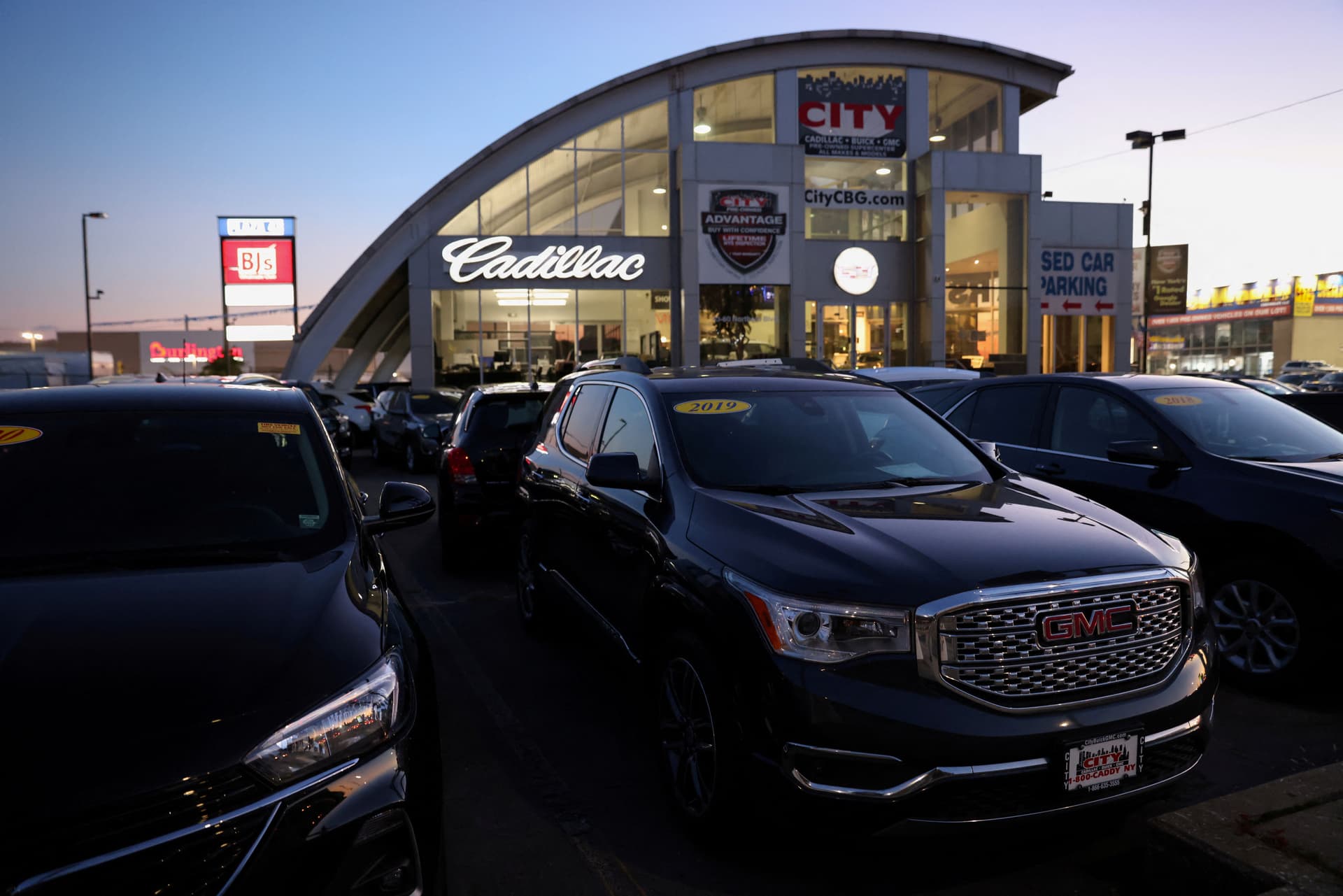
U.S. auto sales in 2025 grew unexpectedly by roughly 2% compared with 2024, according to a Reuters analysis republished by The Denver Gazette on Jan. 5, 2026. J.D. Power and Cox Automotive data were cited for the industry-wide picture, signaling that supply and demand dynamics continued to shift after the pandemic-era disruptions. For Douglas County, that modest national growth typically translates into somewhat steadier new-vehicle inventory at local dealerships and reduced pressure on used-car prices compared with the tight market of recent years.
2. EV market shift and a pullback in market share
The Reuters analysis notes a pullback in EV market share versus the prior year, reflecting a moderation in EV purchases even as automakers pursue electrification. That pullback means Douglas County buyers may see smaller EV selection relative to manufacturers’ aggressive rollouts, some models sell well and others slow, so availability will vary across dealer networks. For local fleet buyers and households considering an EV, this shift affects tradeoff calculations between up-front purchase choices and long-term fuel/maintenance savings.
3. Automaker commitments to EV investments despite uncertainty
Despite the EV share pullback, the report observes automaker statements that some manufacturers remain committed to EV investments. For Douglas County, this mixed signal means dealers will continue to stock and promote EVs, especially popular models, even as manufacturers adjust production plans. Continued corporate investment also supports local service and parts markets that will increasingly cater to EV maintenance and software updates.
4. Regulatory and policy uncertainty shaping market behavior
The analysis highlights regulatory and policy uncertainty as a headwind for the industry in 2025, and that uncertainty influences manufacturing timelines, incentives, and consumer confidence. Locally, state and federal policy decisions, such as tax credits, emissions rules, or utility incentives for home chargers, will strongly affect Douglas County residents’ total cost of ownership calculations. Homebuyers and renters who plan to add EV charging should watch policy signals closely, as incentive changes can materially change payback periods.
5. What this means for auto prices in Douglas County
With national sales up and inventory improving, the extreme price spikes seen earlier in the supply-constrained period are easing, though price levels remain above pre‑pandemic norms. Expect modest downward pressure or stabilization on used-car values and more competitive new-vehicle pricing as dealers use incentives to move units. For cost-sensitive Douglas County shoppers, the market is shifting toward greater bargaining leverage, but scarce high-demand EV models or special editions may still command premiums.
- Home charging readiness: Assess whether your residence supports Level 2 charging and the cost of electrical upgrades.
- Public charging access: Map nearby fast chargers along commute routes and near workplaces in the county.
- Model fit and wait times: Ask local dealers about arrival windows for specific EV trims and compare total cost with available incentives.
6. EV availability and charging considerations locally
EV availability will be uneven across the Front Range/metro Denver area and within Douglas County as manufacturers rebalance inventories and consumer demand shifts. Dealers in higher-density corridors often carry broader EV lineups; smaller or rural franchise lots may have limited stock, requiring pre-ordering or travel to purchase. When evaluating EV ownership, consider these practical factors:
7. How the local dealership market is adapting
Dealerships in Douglas County will likely respond to the mixed national signals by balancing new-vehicle inventory with certified pre-owned (CPO) offerings and service revenues. Expect more promotional financing, lease deals, and trade-in packages as dealers seek to convert showroom traffic into sales. For residents selling a vehicle, timing matters: selling into a market with improving inventory typically yields slightly lower offers than at the peak tightness, so shop multiple dealers and consider private sale channels.
8. Market implications for local economy and policy
Incremental national sales growth and evolving EV dynamics influence employment in sales, service, and installation trades across Douglas County. Continued automaker investment in EVs could spur local training demand for EV technicians and expand charging infrastructure projects, but uncertain policy could delay investment decisions. County policymakers and planners should monitor incentive programs and infrastructure funding that affect long-term mobility, equity of access to EVs, and potential shifts in fuel tax revenues.
9. Long-term trends to watch in 2026 and beyond
Key trends to track include the pace of electrification versus consumer adoption, the evolution of incentives, and automakers’ production responses to demand fluctuations. For Douglas County residents, these trends affect resale values, maintenance markets, and home infrastructure needs over the coming years. Keep an eye on J.D. Power and Cox Automotive releases, regional dealership inventory reports, and any state/federal policy updates that could reshape affordability and availability.
10. Practical next steps for Douglas County car buyers and sellers
1. If you’re buying: Compare pricing across multiple Douglas County dealers, factor in available federal/state incentives, and calculate total cost of ownership for EVs versus internal combustion vehicles.
2. If you’re selling or trading: Get a dealer appraisal and a private-sale estimate; with inventories easing, expect slightly more negotiation room.
3. If you’re considering an EV: Verify home charging feasibility, check local charger maps, and ask dealers about exact arrival timelines for the model you want.
This guide synthesizes national reporting from the Jan. 5, 2026 Reuters analysis, citing J.D. Power and Cox Automotive, and translates it into practical context for Douglas County residents as they make vehicle decisions in 2026.
This article was produced by Prism’s automated news system from verified source data, official records, and press releases, then run through automated quality and moderation checks before publishing. The system is built and supervised by the people who set the standards it runs under. Read our full AI policy.
Did this article answer your question?