Douglas County explains election safeguards, certification, and ballot security
Douglas County says trained staff, bipartisan judges, and 24-hour surveillance protect ballots. Voters can also verify registration, drop boxes, and voting options for themselves.
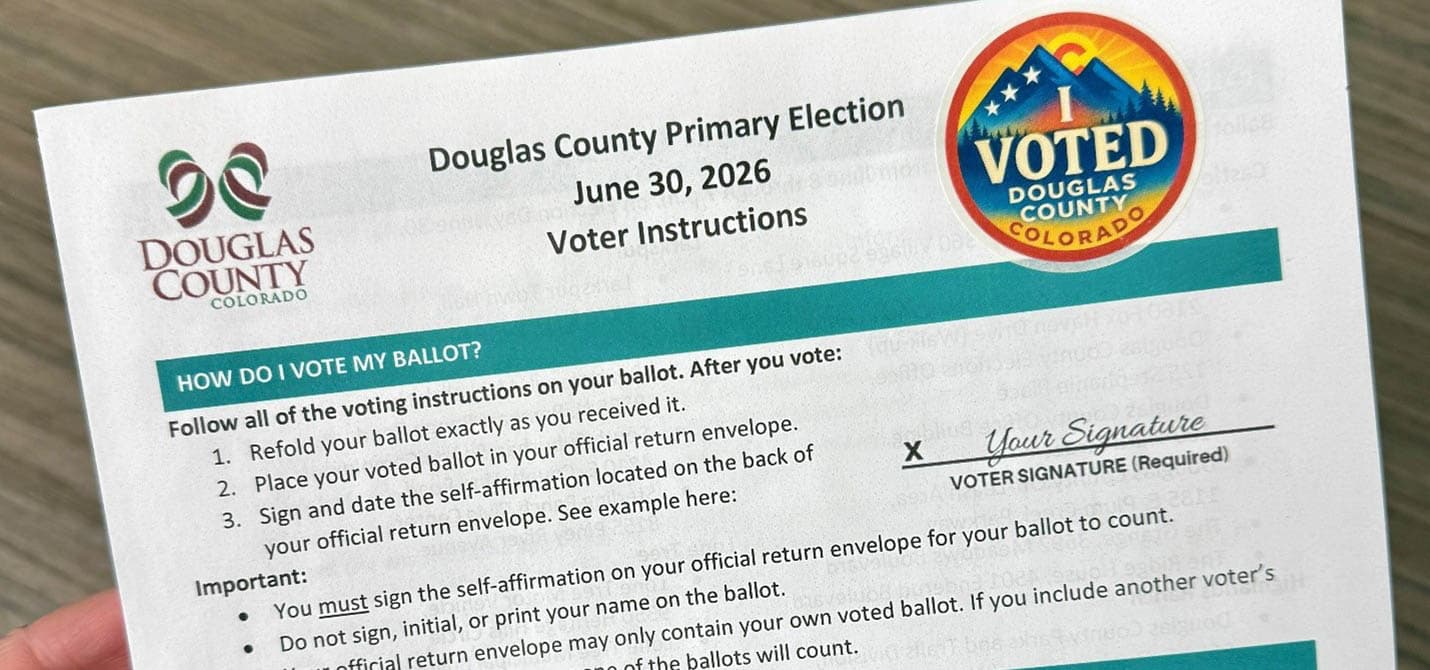
Douglas County wants voters to know that ballot handling is built on trained staff, bipartisan election judges, and layered security, not guesswork. The county’s election guidance also gives residents concrete things to check for themselves before they cast a ballot: their registration record, where to return a ballot, when to vote in person, and how results are published.
Certified staff at the center
The county says every staff member in the Douglas County Elections office is a Colorado Certified Election Official. That certification requires a background check, continuous training, and oversight from the Colorado Department of State, which is meant to show that the people handling election work are trained professionals operating under state standards.
That framework matches Colorado law, which requires the Secretary of State to establish and operate a certification program for local election officials on the conduct of elections, the federal Help America Vote Act, and related election topics. Colorado rules describe that certification system as a way to standardize election procedures and education, underscoring that election administration is treated as a specialized public function.
Douglas County also says its Elections Division maintains voter registration records as part of Colorado’s secure statewide voter registration database and is responsible for coordinating and conducting elections in the county. In practical terms, that means the county is not just mailing ballots and collecting them. It is managing the records, procedures, and staffing that sit behind every step of the process.
How the county says ballots stay secure
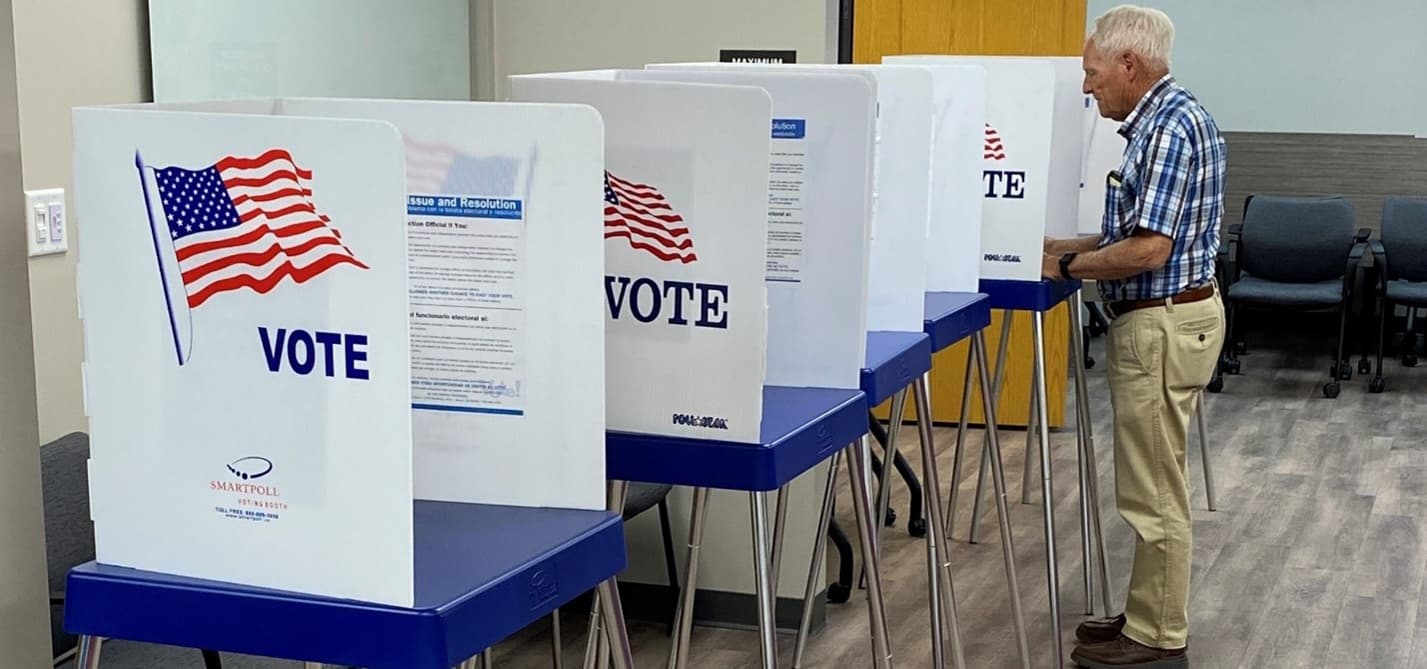
A major part of Douglas County’s message is that no single person controls the process. The county says it uses temporary election judges from different political affiliations, and those workers help with the secure processing of returned ballots and with assistance to in-person voters at Voter Service and Polling Centers.
Colorado’s election judges program treats judges as part of the election workforce, and the state also recognizes student election judges. Douglas County’s use of a mixed pool of temporary judges is meant to show checks and balances in daily operations, rather than a system run by one office or one partisan group in isolation.
County election materials also say ballots are monitored through cameras, chain-of-custody logs, and bipartisan teams of election judges throughout the process. Those safeguards matter because they let the county account for where ballots are, who handled them, and when they moved. For residents worried about tampering or lost ballots, that chain of custody is one of the most tangible protections the county can point to.
What voters can verify themselves
Douglas County’s election-security page is most useful when it moves from theory to action. For the June 30, 2026 Primary Election, the county says ballots were mailed beginning June 8, 2026, and ballot drop boxes opened June 8, 2026 as well. Voters can return ballots until 7 p.m. on Election Day, and the county says there are 23 ballot drop box locations across Douglas County.
Each of those drop box locations is under 24-hour video surveillance. That detail is important because it gives voters a concrete security feature they can look for when choosing where to return a ballot. Residents can also check the county’s public election materials to confirm sample ballots, precinct-level results, and other official election documents.
Here is the most practical way to use the county’s information:
- Confirm your voter registration record through the county’s Elections Division, which maintains records in Colorado’s statewide database.
- Locate one of the 23 ballot drop boxes and check that it is listed as active for the election.
- Review your sample ballot before voting so you know what contests and questions will appear.
- Watch for official results after the election, including precinct-level numbers published by the county.
For voters who prefer not to mail or drop off a ballot, Douglas County says you can surrender your mail ballot at a Voter Service and Polling Center and vote in person beginning June 22, 2026, through 7 p.m. on June 30, 2026. That option gives voters a direct in-person path if they want to confirm their ballot status and cast a new ballot at the same time.
Why the county is leaning on transparency
Douglas County’s broader message is that security and access are connected. The same workers who process returned ballots also help voters at polling centers, which reflects a system built around both integrity and service. That matters in a mail-ballot state, especially because Colorado has conducted mail ballot elections since 2014.
The county has also pointed to Colorado as a national model for election integrity, security, and voter turnout. However voters feel about that claim, Douglas County’s public pages are trying to make the process legible: who is handling ballots, how those workers are trained, where ballots can be returned, and what records will be available afterward.
For Douglas County residents, the takeaway is straightforward. The county says ballots are protected by certified staff, background checks, bipartisan election judges, surveillance, and documented custody procedures, and it gives voters multiple ways to verify the system before they cast a ballot. That is the standard the county is asking voters to judge it by.
This article was produced by Prism’s automated news system from verified source data, official records, and press releases, then run through automated quality and moderation checks before publishing. The system is built and supervised by the people who set the standards it runs under. Read our full AI policy.
Know something we missed? Have a correction or additional information?
Submit a Tip