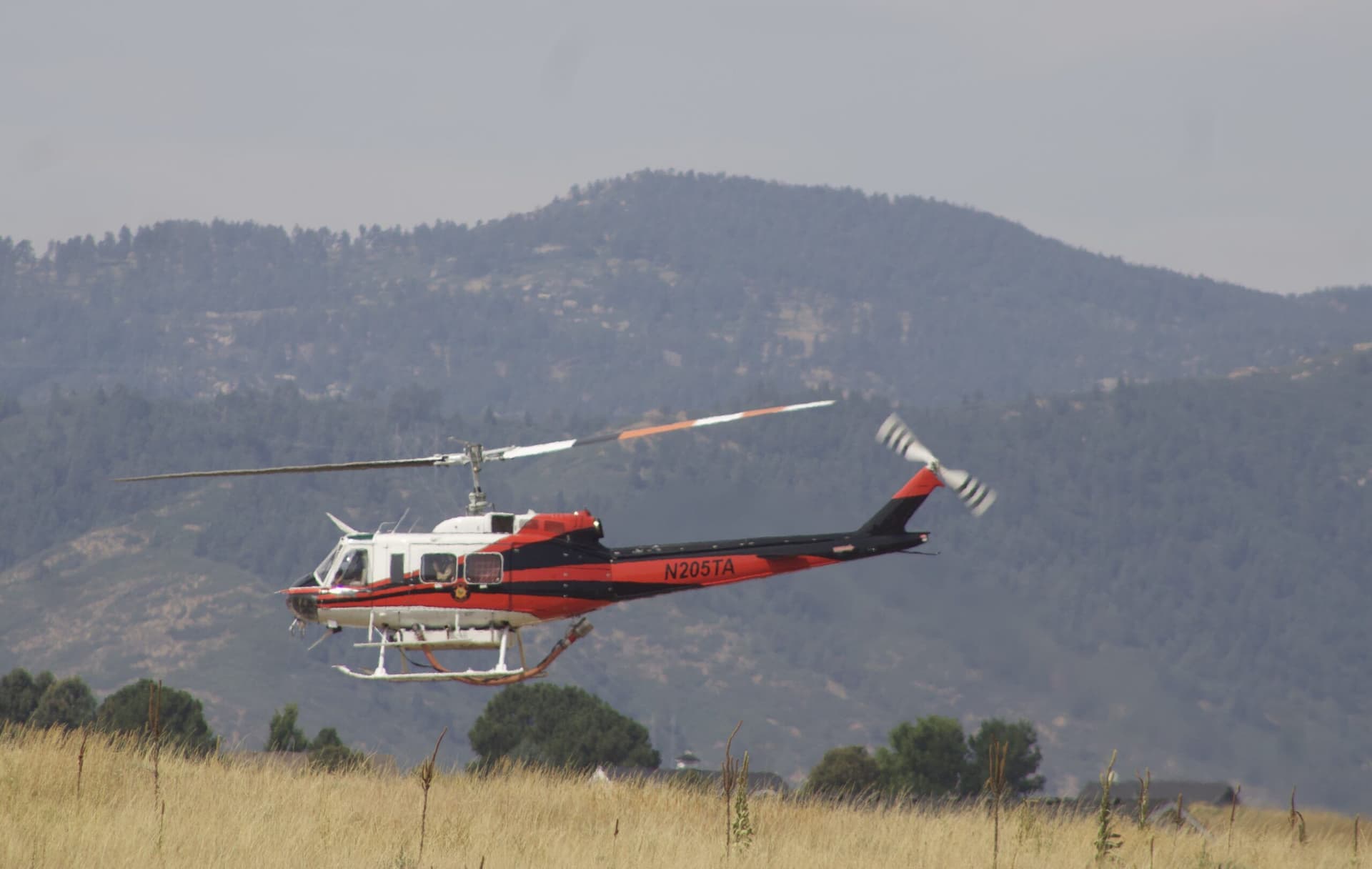
Douglas County plans first county-run biochar site, $10.8 million investment
Douglas County will build the nation’s first county-run biochar site, a $10.8 million hub for slash and yard waste. Officials say it could cut more than 400,000 travel miles a year.
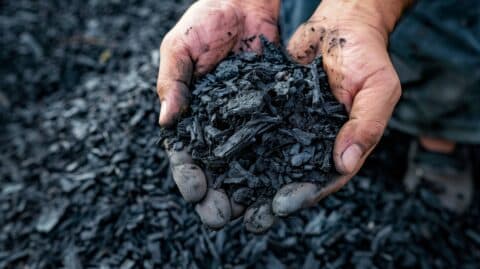
Douglas County is preparing to build the nation’s first county-run biochar site in Sedalia, a $10.8 million operation designed to give residents one place to drop off slash, yard waste, electronics and other hard-to-dispose debris. County officials say the facility is meant to turn wildfire cleanup into fuel reduction while cutting hauling costs and long trips to dispose of it.
The Douglas County Board of County Commissioners unanimously approved a $7.88 million construction contract with Bauen Studios on April 28, 2026. That contract builds on a separate $3 million investment approved in July 2025 for specialized biochar equipment and site development, bringing the county’s total investment to about $10.8 million. County officials say construction will take about eight to nine months.
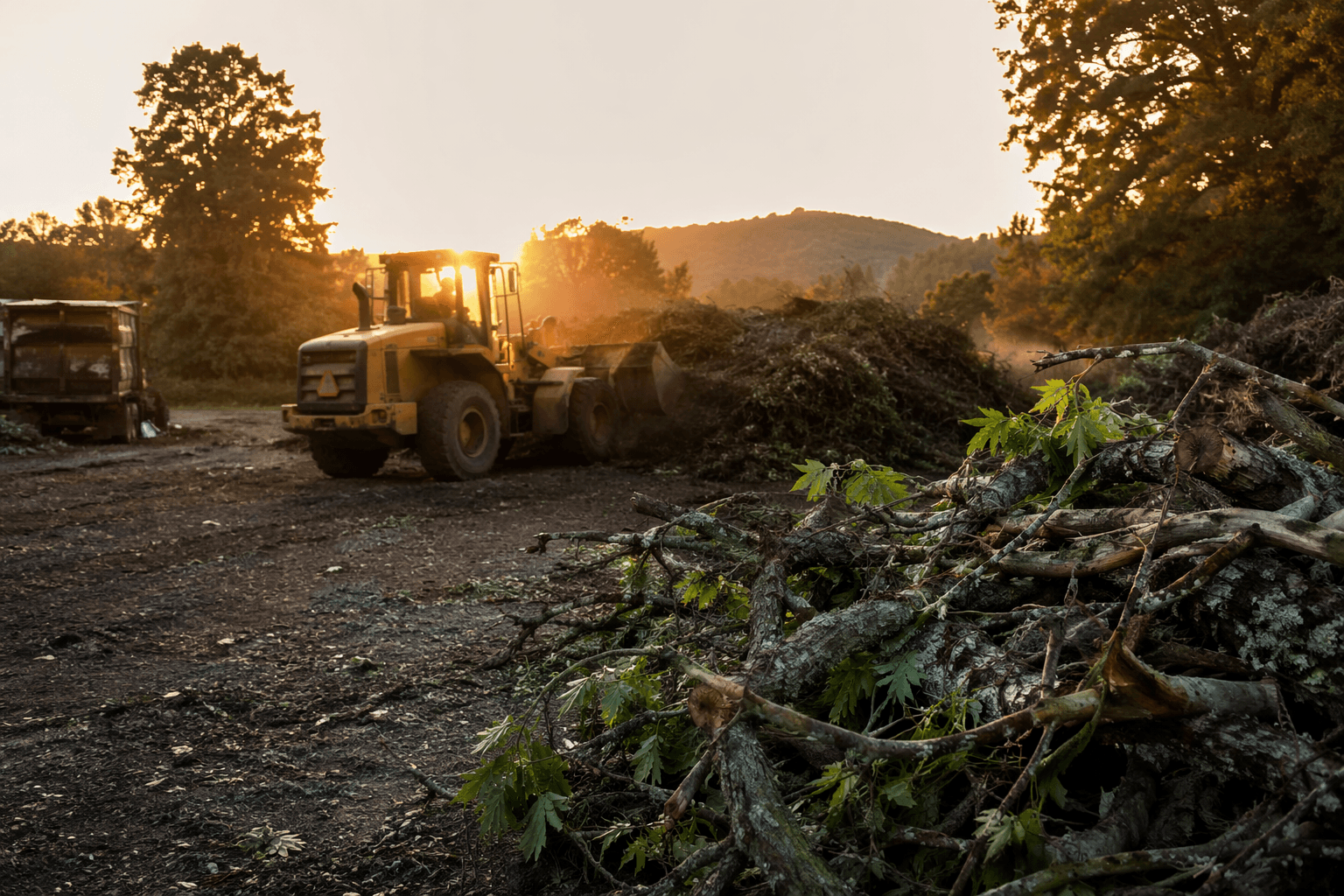
The site is expected to become a one-stop drop for slash, green waste, electronics, household chemicals, yard waste and other material that is difficult to dispose of through ordinary channels. Douglas County says slash and green waste drop-off will expand from one day a week to six, and from about 30 days a year to roughly 300 days a year. The county also says electronics recycling at the site could eliminate more than 400,000 miles of annual travel.
That operational shift is central to the county’s wildfire strategy. The project grew out of the Douglas County Wildfire Action Collaborative, which brings together emergency management and wildfire experts to focus on prevention and preparedness. County officials say the idea is to give residents a practical place to take the woody debris they are told to remove from their properties, while also processing material from wildfire mitigation work into a useful product instead of paying to haul it outside the county.
Biochar production is expected to begin in January 2027 with one production unit. Douglas County says that first unit is projected to generate about $400,000 in annual capital recovery, with the figure rising to $1.9 million a year after a second unit is added in 2029. The county says full capital recovery should come in under a decade, while also lowering the cost of moving woody debris out of Douglas County.
The project has drawn regional support and some local unease. Aurora Water agreed to contribute $100,000 through an intergovernmental agreement announced in December 2025, with county and Aurora officials tying the investment to watershed health and wildfire mitigation. At the same time, some Sedalia residents have voiced concern about preserving the town’s small-town feel as the county moves ahead with a facility it says will serve residents, reduce dumping and make wildfire cleanup more efficient.
This article was produced by Prism’s automated news system from verified source data, official records, and press releases, then run through automated quality and moderation checks before publishing. The system is built and supervised by the people who set the standards it runs under. Read our full AI policy.
Know something we missed? Have a correction or additional information?
Submit a Tip