Douglas County Promoted Quit Resources During Smokeout and Highlighted Vaping Rates
On November 20, Douglas County Public Health promoted the American Cancer Society Great American Smokeout and encouraged residents to use local cessation supports, including a free Quit Kit from the county Community Health team. The health department also flagged local survey results showing vaping rates above national averages, calling for parents, schools and community leaders to address nicotine use among youth.
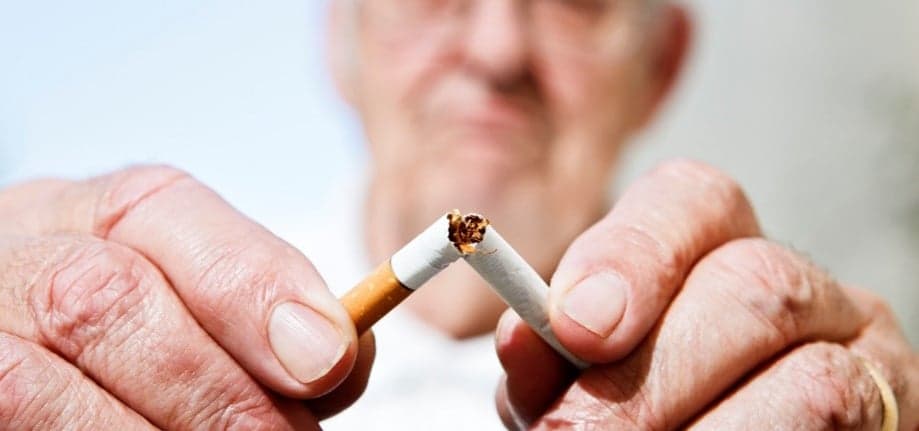
On November 20, Douglas County Public Health marked the American Cancer Society Great American Smokeout by amplifying cessation resources and local supports for residents who use tobacco and nicotine. The county reminded the public that quitting even for 24 hours begins to produce health improvements, and offered a free Quit Kit through the Community Health team to help people take the first steps toward stopping use.
The post also highlighted local survey data showing vaping rates that exceed national averages, a pattern that has significant implications for youth health, school systems and community wellbeing. Higher local vaping prevalence increases the risk of nicotine addiction among adolescents and places added demand on school health services, primary care providers and behavioral health programs. It also complicates prevention efforts for families with limited access to care or stable supports.
Public health officials encouraged parents, schools and community leaders to open conversations about vaping and nicotine with young people, and to link families to county cessation resources. Availability of free cessation tools through local public health reduces financial barriers and creates opportunities for targeted outreach in populations that have been underserved by traditional health services. Ensuring equitable access to quitting supports is critical, because social and economic factors shape both exposure to tobacco products and the ability to get help.

The county call to action points to broader policy questions for Douglas County. Schools, municipal leaders and health systems will need to coordinate on prevention education, enforcement of age restrictions and expansion of youth focused counseling. Sustained investment in cessation programs that meet people where they are can help close gaps in care and lower future burdens on the local health system.
For residents seeking help the county linked to cessation resources and the Community Health team for the free Quit Kit. Community based support, combined with local policy and school engagement, will determine how effectively Douglas County reduces vaping among youth and supports adults trying to quit nicotine.
Know something we missed? Have a correction or additional information?
Submit a Tip