Douglas County residents ask if water supply can support growth
Residents are questioning whether Douglas County can keep growing without new water supplies. County plans say the Denver Basin alone cannot sustain long-term demand.
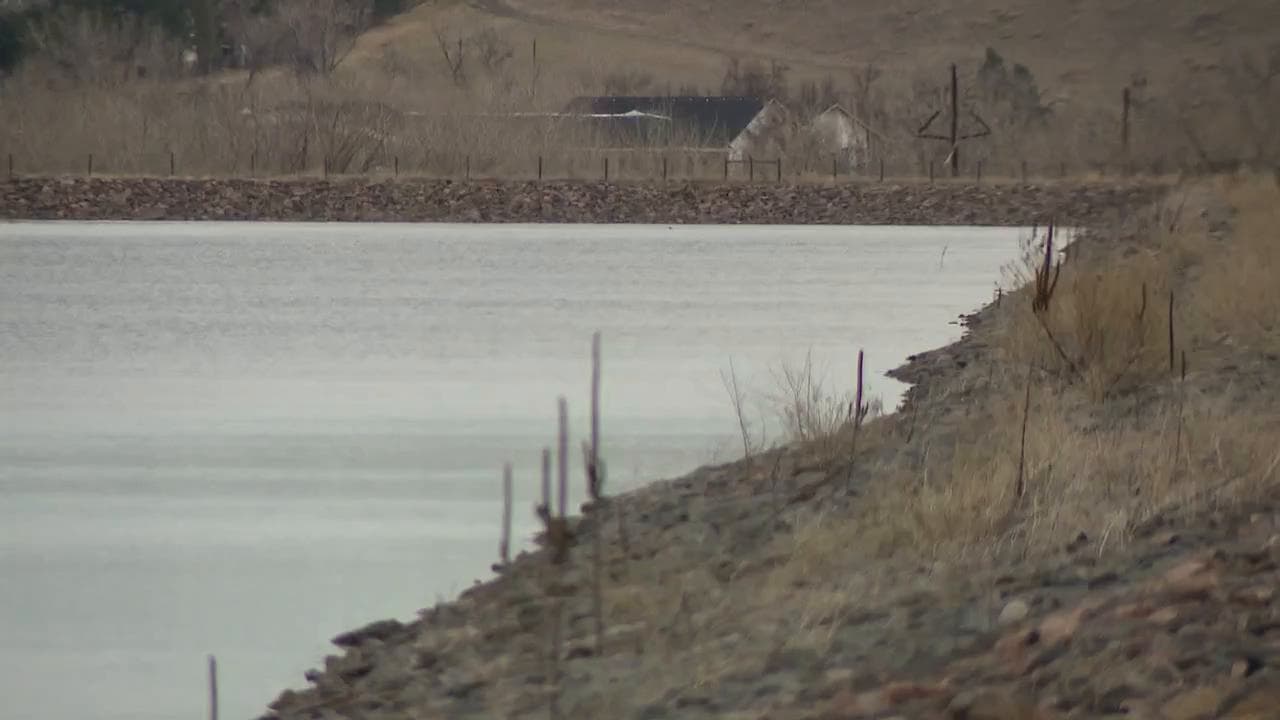
Douglas County leaders are asking residents to trust a growth plan built around water that is finite, contested, and still not fully secured. County planning materials say Douglas County is not a water provider, yet it aims to prolong the life of Denver Basin groundwater and help develop renewable supplies, while residents across Castle Rock, Parker, Highlands Ranch, Lone Tree and Castle Pines want to know whether that promise can keep pace with new homes, schools and businesses.
The tension sits at the center of the county’s land-use debate. Official planning documents say water is a top priority for Douglas County residents and make a blunt point: the Denver Basin alone cannot sustain the population’s water needs long-term. That reality is pushing the county to frame growth not just as a zoning issue, but as a test of whether local leaders can prove the next wave of development will not outrun the water system that supports it.
What the county says it is planning for
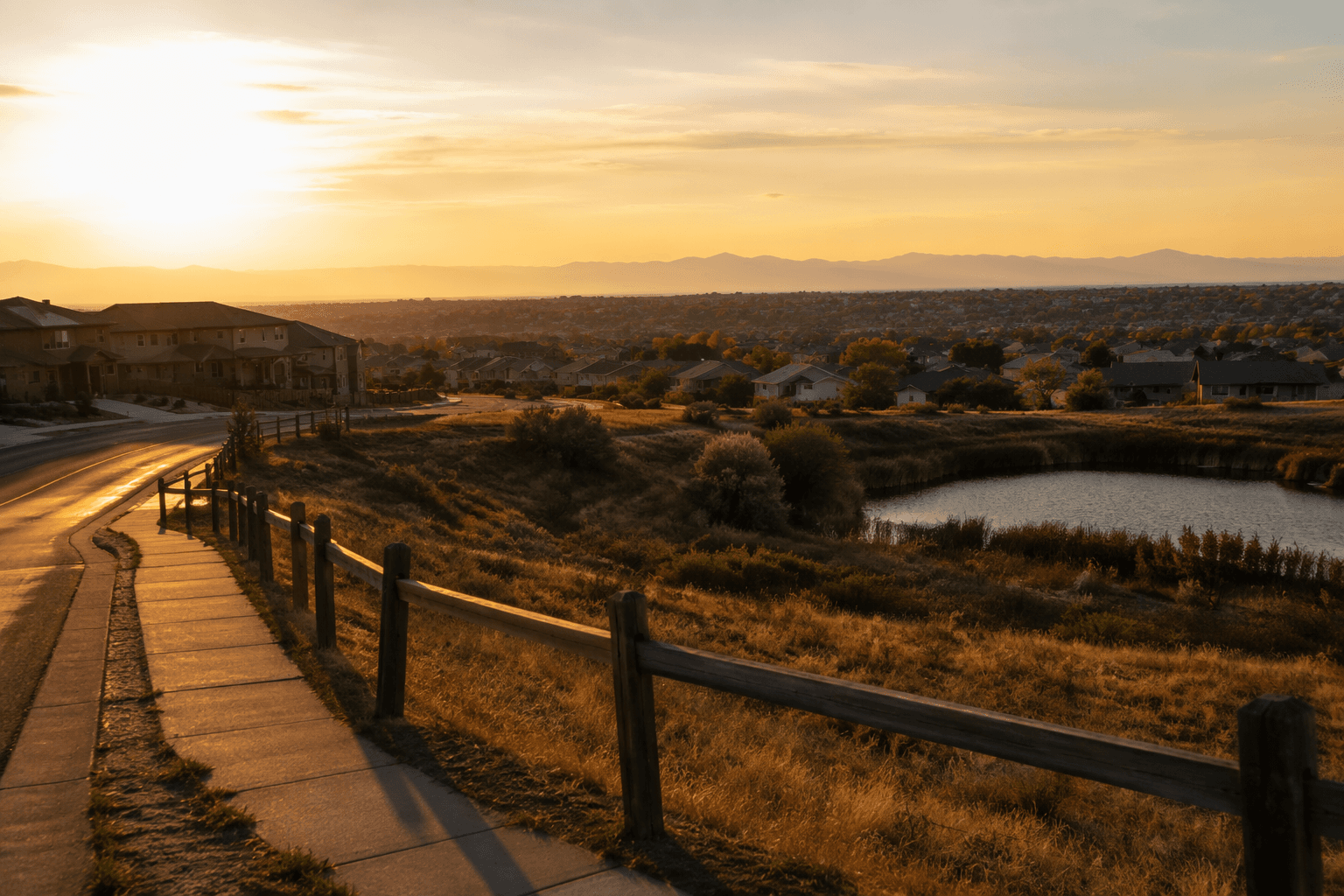
Douglas County’s comprehensive plan says the county aims to help water providers extend the life of its finite Denver Basin resources and support the development of renewable water resources for future residents. A draft 2050 water plan chapter goes further, saying the emphasis of its recommendations is to reduce countywide water consumption through increased use of renewable water resources.
That language matters because it shows the county is not banking on one easy fix. It is planning around conservation, alternative supplies and long-range coordination with water providers rather than assuming the existing groundwater base can carry growth indefinitely. For a fast-growing suburban county, that is a practical acknowledgement that every new subdivision and commercial corridor adds pressure to an already constrained system.
The county’s Water Alternatives Program, created in 2013, shows how that pressure reaches ordinary households as well as planners. The program was developed in response to requests from neighborhoods and small domestic water providers dealing with declining well productivity and water quality. In a county where some homes still depend on wells, that is not an abstract policy issue. It is a warning that water reliability can change lot by lot, not just in broad countywide projections.
Why residents are skeptical
The skepticism comes from the gap between planning language and lived reality. Residents are being asked to accept more growth while also hearing that the county relies on a finite groundwater reserve and must chase renewable supplies that can take years to secure. That makes the water question inseparable from the pace of development itself, especially in communities where new housing decisions can quickly outstrip public confidence.
The numbers help explain why the concern keeps returning. The Colorado Sun reported on March 29, 2022, that Douglas County needed new water sources as its population grew by 25 people every day. Water Education Colorado followed on March 30, 2022, with a look at fast-growing Douglas County communities and a controversial San Luis Valley export plan that was being weighed as one possible solution. Together, those accounts show a county caught between rapid population growth and the search for supplies far beyond its borders.
That larger pattern matters because water is not just about whether taps run today. It shapes where growth can happen, how dense it can be, what landscaping rules look like, and how much households may ultimately pay to live in a county that must import or preserve more water over time. In Douglas County, growth is no longer simply a question of demand for rooftops. It is a question of whether water policy can stay ahead of the county’s real estate market.
The regional system behind the tap
Douglas County’s water challenge is regional, not local in the narrow sense. Castle Rock Water says it manages more than $770 million in infrastructure and provides water purification, distribution, stormwater management and wastewater services. That shows how much has to work together before a single household sees water at the faucet.
The South Metro Water Supply Authority also ties conservation and education to its work, underscoring that the answer is not just finding more water but using less of it and doing that across a broader service area. That regional approach matters in a county where development, conservation rules and utility planning are all intertwined with adjacent communities and providers.
The county’s own structure reflects that complexity. The Colorado Sun reported on November 9, 2023, that Douglas County appointed a new water commission including James Eklund and Sean Tonner. Eklund is a former state water official, and Tonner is a principal with Renewable Water Resources. Their inclusion signaled that county leaders were seeking high-level advice as they continue to weigh water supply strategy against population growth.
Fire risk, drought pressure and daily behavior
Water worry in Douglas County is intensified by drought and wildfire conditions. The county has had Stage 2 fire restrictions in unincorporated areas at times, a reminder that water use is tied to much more than lawns and household bills. When fire danger rises, the public sees water as a safety issue, a landscaping issue and a growth issue all at once.
That is one reason irrigation limits and conservation messaging land with so much force in summer. Homeowners in Castle Pines, Highlands Ranch and Parker may not spend much time thinking about the Denver Basin in January, but hot, dry weather makes the debate immediate. Lawn watering schedules, tree survival, fire resilience and utility planning all converge, and the county’s long-term supply promises are judged against how comfortable residents feel about using water now.
For planners, the central question is whether county growth can be matched by supplies that are secure, renewable and affordable. For residents, the more personal question is whether more development means tighter restrictions, higher costs or a future where water is stretched thinner than county leaders are admitting. Douglas County’s own plans show that officials know the old model cannot last forever; the harder task is convincing the public that a replacement is actually on the way.
This article was produced by Prism’s automated news system from verified source data, official records, and press releases, then run through automated quality and moderation checks before publishing. The system is built and supervised by the people who set the standards it runs under. Read our full AI policy.
Did this article answer your question?