Douglas County Seeks Colorado Supreme Court Review in Open Meetings Case
Douglas County will ask the Colorado Supreme Court to review an appeals court finding that commissioners likely held 11 unnotified meetings linked to the failed home‑rule effort.

Castle Rock voters face a high-stakes fight over government transparency after Douglas County posted on April 9 that its Board of County Commissioners will petition the Colorado Supreme Court to review the Court of Appeals decision that found the board likely violated Colorado’s Open Meetings Law. The county said the appeals panel’s application of the statute was “unusual” and inconsistent with longstanding law and that it “remains steadfast in its commitment to transparency and adherence to Colorado Open Meeting laws.”
The Court of Appeals, in Marshall v. Board of County Commissioners, No. 25CA0940, reversed and remanded a district court order that had denied a preliminary injunction. The panel, in an opinion authored by Judge Daniel Taubman with Judges Moultrie and Bernard concurring, described eleven advanced‑planning meetings between December 17, 2024 and April 14, 2025 and flagged three executive sessions as part of the plaintiffs’ claims. The district court order that the appeals court reversed was dated May 20, 2025 and is filed under Case No. 2025CV30410.
The plaintiffs in the underlying suit are former commissioner Lora Thomas, State Representative Robert C. Bob Marshall of House District 43, and Douglas County voter Julie Gooden, represented by attorneys Steven D. Zansberg and Michael Beylkin of Zansberg Beylkin LLC. After the appeals decision, plaintiffs and their counsel celebrated the outcome; Julie Gooden said, “You trust your public officials to do what they’re supposed to do and do what's right,” Bob Marshall said, “We really need to rein in this commission,” and Lora Thomas said, “We just want these commissioners to follow the law.”
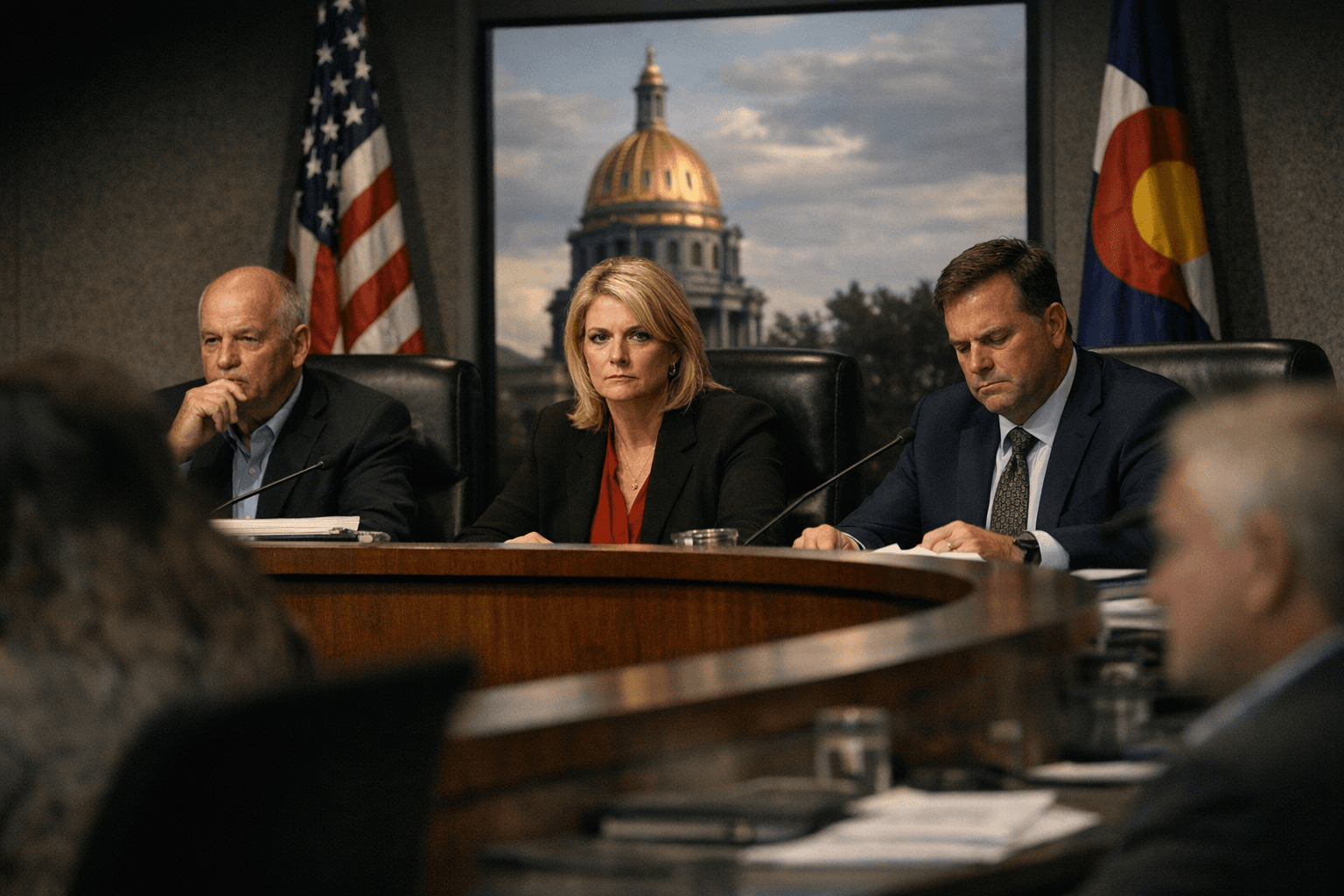
Douglas County commissioners Abe Laydon, George Teal and Kevin Van Winkle face the practical consequences if the appeals panel’s view stands and the trial court, on remand, finds further violations and considers injunctive relief. The county’s April 9 release reiterated that the district court previously concluded there was no evidence of violations and signaled the county will seek Supreme Court review to clarify how local governments should treat informational gatherings versus policymaking sessions. Deputy County Attorney Kelly Dunnaway is listed in appellate filings representing the county’s legal interests.
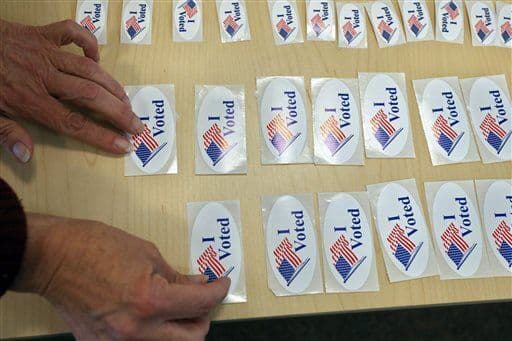
The dispute is tied to the county’s home‑rule effort and to the June 24, 2025 special election that drew 95,689 ballots: Question 1A, to form a Home Rule Charter Commission, lost with 27,287 yes votes and 67,109 no votes. If the Colorado Supreme Court accepts review, its decision could set statewide precedent on when county commissioners’ off‑agenda meetings become subject to the Colorado Open Meetings Law, codified at Colorado Revised Statutes section 24‑6‑401 et seq.
Procedurally, the county’s petition will face a discretionary review decision by the Colorado Supreme Court; if the high court declines, the Court of Appeals opinion remains binding. Meanwhile the appeals panel’s remand requires the Douglas County District Court to take additional evidence and make the statutorily required findings before any permanent remedy is considered, a process that could stretch the controversy into months and shape how Douglas County conducts pre‑decision deliberations going forward.
This article was produced by Prism’s automated news system from verified source data, official records, and press releases, then run through automated quality and moderation checks before publishing. The system is built and supervised by the people who set the standards it runs under. Read our full AI policy.
Did this article answer your question?